
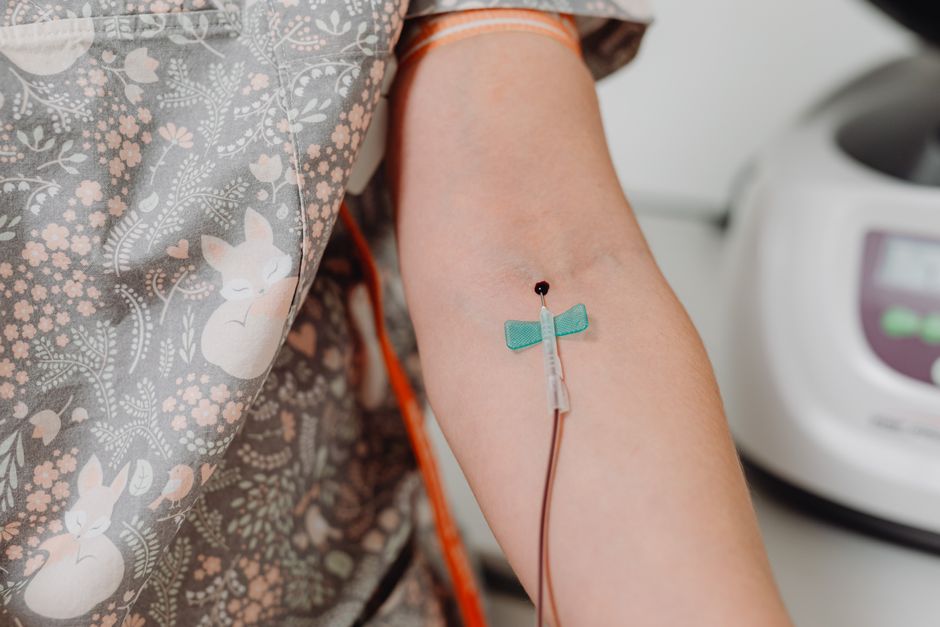
Blowing a vein is the common term for when a vein ruptures or its wall fails during a blood draw, causing blood to leak into the surrounding tissue. It usually happens because the needle passes through the vein, the vein rolls, or too much pressure is applied. The result is a bruise, swelling, and sometimes a failed draw, but it is rarely dangerous and heals on its own.
What Does “Blowing a Vein” Actually Mean?
When a phlebotomist or nurse inserts a needle into a vein, the needle should sit inside the vein’s lumen, the hollow center where blood flows. A blown vein occurs when the needle punctures completely through the vein wall or tears it. Blood then escapes into the tissue around the vein instead of traveling up the collection tube.
You may hear the terms “tissued,” “infiltrated,” or “failed draw” used by medical staff. These all describe the same basic event. The vein itself does not explode. It leaks, and the surrounding tissue absorbs the blood, which produces the classic bruise and lump.
Why Do Veins Blow During a Blood Draw?
Several factors increase the likelihood of blowing a vein. Some are within the phlebotomist’s control, and some depend on the patient’s anatomy and health.
Needle angle and depth are the most common causes. If the needle enters at too steep an angle, it can pass through the back wall of the vein. If the vein is deep, the person drawing blood may push the needle further than necessary. Once the needle exits the vein, blood leaks into the tissue.
Rolling veins are another frequent culprit. Some veins move or roll sideways when pressure is applied. The needle may miss the vein entirely or only nick the side, causing a partial tear. Older adults and people with loose skin tend to have rolling veins.
Small or fragile veins blow more easily. Dehydration reduces blood volume and makes veins collapse or flatten. Chemotherapy, long-term IV use, and repeated blood draws can scar veins and weaken their walls. Some people simply have naturally thin vein walls.
Using the wrong needle size matters too. A larger needle creates more trauma. For small veins, a smaller gauge needle is gentler and less likely to cause a blowout.
What Does a Blown Vein Feel and Look Like?
You may feel a sharp sting or a burning sensation when the vein blows. Some people feel nothing at all until the needle is removed. The most obvious sign is swelling at the puncture site within seconds or minutes.
A bruise usually develops within 24 hours. The area may feel tender, firm, or warm to the touch. The bruise can spread down the arm as blood tracks through the tissue. This looks alarming but is generally harmless.
In most cases, the phlebotomist will notice the vein has blown because blood stops flowing into the tube, or the area swells visibly. They should remove the needle immediately and apply firm pressure with gauze.

Can You Prevent a Vein From Blowing?
You cannot control every factor, but you can do several things to reduce your risk. Hydration is the most effective step. Drinking water before a blood draw increases blood volume and makes veins plumper and easier to hit. Avoid caffeine and alcohol beforehand because both can dehydrate you.
Warmth helps dilate veins. A warm compress on the arm for five to ten minutes before the draw can make veins more visible and accessible. Some clinics have warm packs available if you ask.
Tell the phlebotomist if you have difficult veins, a history of blown veins, or if you are on blood thinners. This information changes their approach. They may choose a different site, use a smaller needle, or use a butterfly needle, which is shorter and more maneuverable.
Do not look away and tense up. Anxiety causes muscles to contract, which can make veins constrict. Taking slow, deep breaths and relaxing your arm can genuinely help.
What Should You Do if a Vein Blows?
The immediate response is straightforward. Keep pressure on the site for at least two to three minutes after the needle is removed. This helps stop the bleeding under the skin and reduces bruising. Do not bend your arm tightly over the cotton ball, as this can cause more bleeding into the tissue. Keep your arm straight and press down.
Apply a cold pack to the area for the first 24 hours. Cold constricts blood vessels and limits swelling. After 24 hours, switch to a warm compress. Heat increases blood flow and helps the body reabsorb the pooled blood faster.
Elevate the arm if the swelling is significant. Rest the arm and avoid heavy lifting for a day or two. The bruise will change color over the next week, from dark purple to green to yellow, before fading completely.
Most blown veins heal without any treatment within one to two weeks. The body breaks down and absorbs the leaked blood naturally. Serious complications are rare.
When Should You See a Doctor?
Blown veins are uncomfortable but rarely dangerous. However, certain signs warrant medical attention. If the swelling increases steadily over several hours, if the arm becomes very pale or cold, or if you lose sensation in the hand or fingers, seek care promptly.
Watch for signs of infection, which include increasing redness that spreads beyond the bruise, warmth, pus, or fever. This is uncommon but possible if bacteria entered the tissue during the failed draw.
People with blood clotting disorders, such as hemophilia, or those on anticoagulant medications may experience more extensive bleeding. Their bruises can be larger and take longer to resolve. If you have one of these conditions and develop significant swelling after a blood draw, contact your doctor.
A condition called compartment syndrome is extremely rare after a blood draw but is a true emergency. It occurs when pressure builds up inside a closed muscle space, cutting off blood flow. Symptoms include severe pain out of proportion to the injury, numbness, and difficulty moving the hand. If this occurs, go to an emergency department immediately.
Does a Blown Vein Mean the Blood Test Is Ruined?
Sometimes. If the vein blows partway through the draw, the sample already collected may still be usable. The phlebotomist will assess whether enough blood was gathered and whether it was contaminated by tissue fluid.
If the draw fails completely, the test will need to be repeated. The phlebotomist will typically choose a different vein, often on the other arm, for the second attempt. You may be asked to return another day if multiple attempts fail.
It is reasonable to ask the phlebotomist to try a different site rather than repeatedly poking the same damaged vein. Repeated attempts on the same vein increase the risk of further damage and make the draw more painful.
Why Do Some People Blow Veins More Often?
Certain groups are at higher risk. Older adults have thinner skin and more fragile veins. People who have had many IVs or blood draws develop scar tissue that makes veins rigid and prone to blowing. Patients undergoing chemotherapy often have veins that are difficult to access and easily damaged.
People with small veins, which is common in women and people with low body fat, face higher odds of a blown vein. Chronic dehydration from medications, illness, or insufficient fluid intake also increases risk because veins collapse and become harder to cannulate.
Some research suggests that people with certain connective tissue disorders, such as Ehlers-Danlos syndrome, have more fragile veins. If you have been diagnosed with a condition that affects your blood vessels or connective tissue, mention this before any blood draw so the phlebotomist can take extra precautions.
Can You Request a Different Technique?
Yes. You have the right to ask for a smaller needle or a butterfly needle. You can also request a more experienced phlebotomist if you have a history of difficult draws. Many clinics allow this if you explain your situation politely.
You can ask the phlebotomist to use a vein finder, a device that uses infrared light to map veins beneath the skin. These devices are increasingly common and can significantly reduce failed attempts in people with difficult access.
Being honest about your history is not being difficult. It gives the medical team the information they need to do their job well. A patient who communicates clearly about difficult veins often ends up with a better experience than one who stays silent and hopes for the best.
Frequently Asked Questions
How long does a blown vein take to heal?
Most blown veins heal within one to two weeks. The bruise may take longer to fully fade, especially if you are prone to bruising or take blood thinners.
Can a blown vein cause a blood clot?
Blown veins rarely cause blood clots in otherwise healthy people. The body quickly repairs the vein wall, and the leaked blood is absorbed by surrounding tissue.
Is it safe to have blood drawn again after a blown vein?
Yes, but the same vein should be avoided for a few days. A different vein or the other arm is usually chosen for the next attempt.
Does a blown vein hurt during the draw?
Some people feel a sharp sting or burning sensation when the vein blows. Others feel nothing until the needle is removed and swelling appears.
