
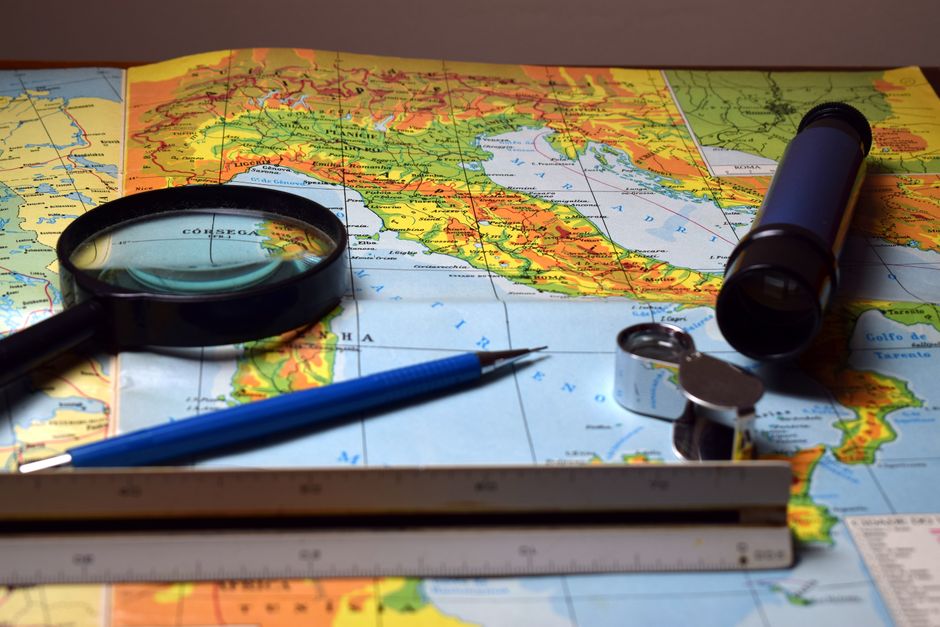
Geography is not just about maps on a classroom wall. We use it every day to find the fastest route to work, check whether a storm is heading our way, and decide which produce is in season at the grocery store. Geography is the study of places, environments, and how people interact with them — and that knowledge shapes small decisions from morning to night.
How Do We Use Geography In Everyday Life?
We use geography whenever we make a decision that depends on location, distance, environment, or the relationship between people and the land around them. That includes navigating with a maps app, reading a weather forecast, choosing where to live, and understanding why certain foods or illnesses appear in certain places.
The word geography comes from Greek roots meaning “earth writing.” It covers physical geography (landforms, climate, water, soil) and human geography (population, culture, economics, and how people move and settle). Most everyday uses blend the two.
Consider the maps app on your phone. It relies on satellite positioning, road networks, traffic data, and terrain — all geographic information layered together. When it reroutes you around a flooded street, it is drawing on real-time environmental data. That is applied geography in your pocket.
How Does Geography Help Us Navigate and Travel?
Navigation is the most obvious everyday use of geography. Every time you read a street sign, estimate walking distance, or orient yourself in a new city, you are using spatial reasoning — a core geographic skill.
Digital maps have made this easier, but the underlying principles have not changed. A map is a scaled representation of space. Understanding scale, direction, and symbols helps you use any map, from a subway diagram to a trail guide.
Geography also informs travel planning in ways people rarely notice. Time zones, climate patterns, altitude, and seasonal daylight all affect when and how we travel. Knowing that high-altitude destinations can cause shortness of breath, or that hurricane season affects coastal regions, helps people plan safer trips. These are geographic facts with practical consequences.
How Does Geography Affect Our Health and Environment?
Where you live shapes your health in measurable ways. Geography influences air quality, water safety, access to fresh food, and even how easily you can walk or cycle for exercise.
Public health researchers study these patterns closely. Rates of certain conditions vary by region, and understanding why requires geographic thinking. Access to green space, proximity to highways, and local climate all play a part.
One non-obvious point: geography helps explain disease spread. Mosquito-borne illnesses cluster in specific climates and elevations. Waterborne diseases follow rivers and drainage patterns. Public health agencies use geographic data to target mosquito control, vaccination campaigns, and water treatment. This field is sometimes called spatial epidemiology, and it depends entirely on geographic analysis.
Environmental geography also affects daily choices. Knowing your local air quality index, flood risk, or wildfire season helps you plan outdoor activity and prepare your home. These are not abstract concerns — they are practical geography.
How Do We Use Geography When We Shop and Eat?
Geography shapes what food is available, how fresh it is, and what it costs. Produce sold in US grocery stores may travel thousands of miles, and the distance affects both price and freshness.
Seasonal eating is a geographic concept. Strawberries grown locally in summer are different from strawberries shipped from another hemisphere in winter. Understanding where food comes from helps shoppers make informed choices about cost, quality, and environmental impact.
Food labels often include geographic information — country of origin, region of production, and certification for specific growing areas. Some foods are legally tied to a place, like certain wines or cheeses. This is geography embedded in commerce.
Geography also affects food safety. Local climate and water conditions influence crop quality and contamination risk. Regulators track outbreaks by region, which is why recalls sometimes name specific states or farms.
How Does Geography Shape Weather and Daily Planning?
Weather is applied physical geography. Every forecast you check is a geographic analysis of temperature, pressure, wind, and moisture across a region.
Understanding basic geographic principles helps you interpret forecasts. Coastal areas tend to have milder temperatures and higher humidity. Mountains create rain shadows, where one side gets heavy rain and the other stays dry. These patterns explain why weather varies so much over short distances.
Geography also affects sunrise and sunset times, which shift with latitude and season. This matters for planning outdoor activity, driving safety, and even sleep schedules. People living farther from the equator experience greater seasonal swings in daylight.
How Does Geography Influence Where We Live and Work?
Geography affects housing costs, commute times, job availability, and quality of life. People weigh these factors — often without calling it geography — when deciding where to settle.
Land use, zoning, and infrastructure are all geographic decisions made by planners. Access to public transit, schools, hospitals, and parks depends on how a region is laid out. Understanding this helps residents engage with local planning and advocate for their communities.
Natural hazards are another geographic factor. Flood zones, earthquake faults, wildfire risk areas, and hurricane paths all influence property values and insurance costs. Buyers who understand local geography make more informed decisions.
Human geography also explains migration. People move for jobs, climate, family, and safety. These patterns shape neighborhoods, culture, and economies in ways that affect everyone.
What Geographic Skills Do We Use Without Noticing?
Many geographic skills are so routine that we do not label them. Reading a map, estimating distance, understanding direction, and recognizing patterns in space are all geographic thinking.
- Estimating travel time based on distance and speed
- Reading weather forecasts and understanding regional patterns
- Comparing prices based on where products come from
- Recognizing why certain neighborhoods have more trees or parks
- Understanding time zones when calling family in another state
- Interpreting local news about road closures, floods, or construction
These skills matter more as the world grows more connected. Geographic literacy helps people understand news about climate, trade, migration, and public health. It also helps them make better personal decisions about travel, housing, and health.
Geography is sometimes treated as a school subject rather than a life skill. That framing undersells it. The subject teaches spatial thinking — the ability to reason about location, distance, and relationships between places. That skill applies to almost everything.
How Can You Build Geographic Awareness in Daily Life?
Building geographic awareness does not require formal study. Small habits make a difference.
- Notice where your food comes from and when it is in season
- Check local weather patterns and learn what drives them in your region
- Use maps to understand your neighborhood and surrounding areas
- Follow local news about land use, transit, and environmental changes
- Learn basic first aid and emergency preparedness for local hazards
Geography connects personal decisions to larger systems. Understanding that connection helps people act with more awareness — and make choices that fit their own lives and communities.
Frequently Asked Questions
How do we use geography in everyday life?
We use geography whenever we navigate, check weather, choose where to live, or decide what to eat based on where it was grown. It also informs health decisions tied to local air quality, water safety, and disease risk.
What are some examples of geography in daily life?
Examples include using a maps app to find a route, reading a weather forecast, checking where produce was grown, and understanding flood or wildfire risk in your area. These all rely on geographic information.
Why is geography important for health?
Geography affects air quality, water safety, food access, and exposure to environmental hazards. Public health agencies use geographic data to track disease spread and target prevention efforts.
How does geography affect where we live?
Geography influences housing costs, commute times, natural hazard risk, and access to services like schools and hospitals. Understanding local geography helps people make more informed decisions about where to settle.
