
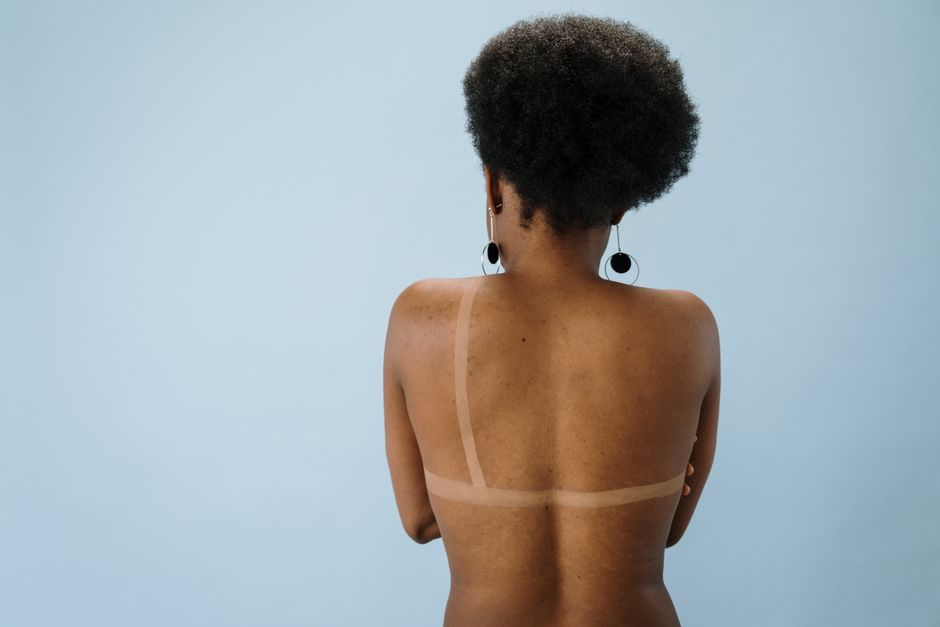
Skin color comes from a pigment called melanin, and the amount and type your body makes is directed by your genes. Specialized cells in the outer layer of your skin, called melanocytes, produce melanin and package it into tiny parcels that get handed off to surrounding skin cells. The result is the range of skin tones you see in every population around the world.
That is the short answer. The longer version explains why skin color shifts with sun exposure, why it changes during pregnancy, why some people have patches of different tones, and why skin color is a poor stand-in for anything beyond skin color itself.
What Actually Produces Skin Color?
Melanin is made inside cells called melanocytes, which sit near the base of the skin’s outer layer, the epidermis. These cells have branching arms and pass pigment-filled parcels called melanosomes to nearby keratinocytes, the cells that make up most of the epidermis. The keratinocytes carry the pigment upward as they mature and eventually shed.
Two main types of melanin matter here. Eumelanin is brown to black. Pheomelanin is reddish-yellow. Everyone makes both, but the ratio and total amount differ from person to person. That mix, plus how the pigment is distributed, sets your visible skin tone.
A detail that surprises many people: the number of melanocytes is roughly similar across all skin tones. What differs is how much melanin those cells produce and how efficiently they package and deliver it. Skin color is not about having more pigment cells. It is about what those cells do.
Melanin absorbs and scatters ultraviolet (UV) light. It also acts as a scavenger of reactive molecules that can damage cells. This is why melanin is often described as a natural sunscreen, though that phrase overstates it. Melanin helps, but it does not make anyone immune to UV damage.
How Do We Get Our Skin Color From Our Genes?
Skin color is polygenic, meaning many genes influence it. More than 100 genetic regions have been linked to variation in skin pigmentation, and the effect of each is usually small. There is no single “skin color gene.”
A gene called MC1R is one well-studied example. It helps regulate the switch between eumelanin and pheomelanin production. Certain variants of MC1R are associated with red hair and fair skin, though the relationship is not one-to-one. Other genes, including SLC24A5 and SLC45A2, are strongly associated with lighter skin in European and some other populations. Variants near OCA2 and HERC2 influence eye color and skin tone together.
Because so many genes contribute, skin color does not sort into neat categories. Two parents with similar skin tones can have children with noticeably different tones. Siblings can differ widely. The genetics are continuous, not boxed.
Skin color also does not map onto ancestry in a clean way. Genetic studies have repeatedly found that the genes influencing pigmentation vary independently of the broader genetic patterns used to describe populations. Skin color is one visible trait, not a summary of a person’s full genetic makeup.
Why Does Skin Color Change With Sun Exposure?
UV radiation damages DNA in skin cells. In response, skin cells signal melanocytes to ramp up melanin production and transfer. The pigment darkens existing skin and is distributed more widely. This is tanning, and it is a stress response, not a sign of health.
Tanning is often framed as the skin “protecting itself.” That is partly accurate but incomplete. The darkening you see develops after DNA damage has already occurred. A tan is evidence the skin has been injured, even if mildly. The same is true of sunburn, which is more intense damage with visible inflammation.
How much someone tans depends on their baseline pigmentation and genetics. People with more eumelanin tend to tan more than burn. People with less eumelanin tend to burn more readily. Neither pattern eliminates UV risk. Anyone can accumulate UV damage over time, and cumulative exposure is a major factor in skin cancer risk across all skin tones.
UV exposure also drives other changes. It breaks down collagen and elastin over years, which contributes to wrinkles and laxity. It can trigger uneven pigmentation, including dark patches. These effects build slowly and are not always obvious until later in life.
What Causes Uneven Skin Color?
Patches of lighter or darker skin are common and usually reflect localized differences in melanin production or distribution. Several conditions can produce this, and they can look similar to one another.
- Melasma causes brown or gray-brown patches, most often on the face. It is strongly associated with hormonal changes, including pregnancy and use of hormonal contraceptives, and with sun exposure.
- Post-inflammatory hyperpigmentation follows skin injury or inflammation, such as acne or eczema. The skin produces extra melanin as it heals.
- Vitiligo causes patches of lighter skin when melanocytes are lost. It is an autoimmune condition, not a pigment shortage in the diet.
- Sun spots (solar lentigines) are flat, darkened areas that reflect cumulative UV exposure.
- Fungal infections such as tinea versicolor can cause patches that are lighter or darker than surrounding skin.
These conditions differ in cause and in how they are managed. A patch of changed skin color that appears suddenly, changes shape, or does not resolve deserves a medical evaluation. Some skin cancers can present as a pigmented spot, and distinguishing them from benign changes is not something to do by eye at home.
How Does Skin Color Change Across a Lifetime?
Skin tone is not fixed. Newborns often have lighter skin than they will later, and their final tone develops over the first months of life as melanin production matures. This is normal and expected.
Hormonal shifts can change pigmentation. Pregnancy commonly brings melasma, sometimes called the mask of pregnancy. Thyroid conditions and other hormonal disorders can affect skin tone as well. So can certain medications, including some that increase sensitivity to sunlight.
Aging changes skin color in several ways. Cumulative sun exposure tends to produce spots and unevenness. Melanocytes decline in number over decades, which can make skin appear more uniform but also more fragile. Skin also thins, and blood vessels become more visible, which can shift the apparent tone.
Inflammation and injury leave marks. Any condition that inflames the skin, from acne to burns, can leave temporary or lasting pigment changes. These often fade, but the timeline varies widely and is hard to predict for any individual.
Does Skin Color Affect Health?
Skin color itself is not a health measure. What matters clinically is how much melanin is present, because melanin affects UV sensitivity, and how skin is assessed by clinicians, because some conditions look different on different skin tones.
People with more melanin have lower risk of sunburn and some UV-related skin cancers compared with people with less melanin. That protection is real but partial. Skin cancer still occurs in people with darker skin, and it is often diagnosed later, partly because it can appear in areas with less sun exposure and partly because it is less expected. Later diagnosis tends to mean worse outcomes.
Clinical assessment is another place skin tone matters. Redness, bruising, cyanosis (a bluish tint from low oxygen), and rashes can look different depending on baseline pigmentation. Medical training has historically emphasized findings on lighter skin, and there is ongoing effort to correct that gap. If you are describing a skin change to a clinician, noting what is different from your normal tone is useful information.
One clarification worth stating plainly: skin color does not determine nutritional status, intelligence, or overall health. Claims linking skin tone to those outcomes have no scientific basis. The biological role of melanin is narrow and specific.
Can Diet or Supplements Change Skin Color?
No established evidence shows that diet or supplements meaningfully change baseline skin color. The pigment system is genetically regulated, and no food or pill has been shown to shift it in a lasting way.
Some products marketed for skin lightening contain ingredients with real biological activity, including hydroquinone, mercury, and corticosteroids. These are not harmless cosmetics. Hydroquinone is a medication with known risks, including a paradoxical darkening called exogenous ochronosis with prolonged use. Mercury-containing creams have caused poisoning and are banned in many countries. Steroid creams used long-term on the face can thin the skin and cause other problems.
Anyone considering a product that claims to lighten skin should know what is in it and whether it is regulated. The evidence for most over-the-counter “brightening” ingredients is limited, and the risks of unregulated products are not.
Frequently Asked Questions
What determines a person’s skin color?
Skin color is determined by the amount and type of melanin produced by melanocytes in the skin, which is directed by many genes. Sun exposure and hormones can modify it over time.
Does having more melanocytes mean darker skin?
No. People of all skin tones have roughly similar numbers of melanocytes. Darker skin reflects more melanin production and transfer, not more pigment cells.
Can skin color change permanently?
Some changes are lasting, such as those from sun damage, scarring, or vitiligo, while others like tanning fade over weeks to months. Any sudden or unexplained change in skin color should be checked by a clinician.
Is a tan a sign of healthy skin?
No. A tan is the skin’s response to UV damage that has already occurred. It is not a marker of health and does not remove the risks of UV exposure.
