
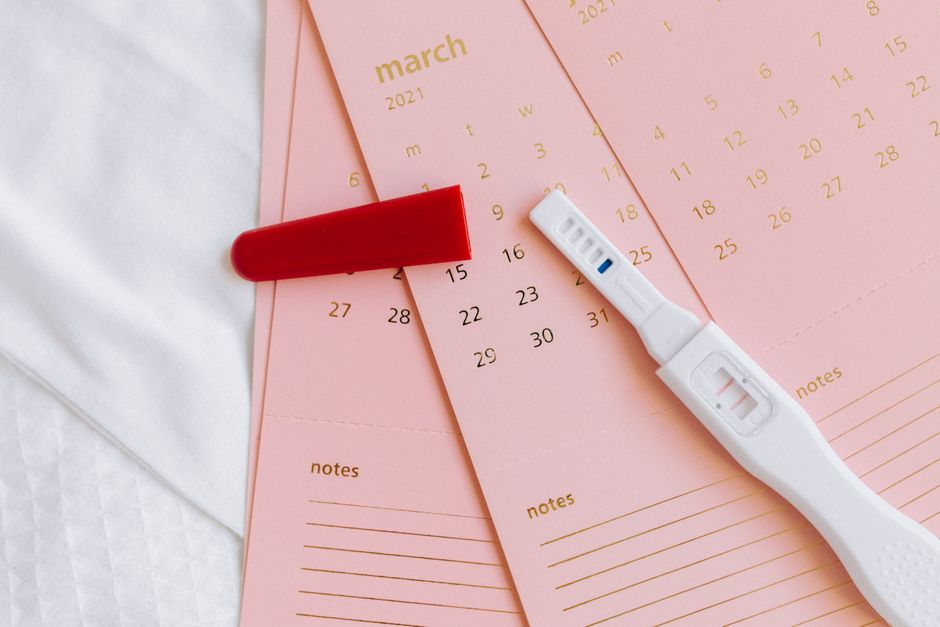
Counting pregnancy weeks can feel confusing, especially when the math does not seem to match up with when you conceived. The standard method used by doctors and midwives counts from the first day of your last menstrual period, not from the date of conception. This means that on the day you miss your period, you are already considered about four weeks pregnant.
Why Do We Count From the Last Menstrual Period?
Pregnancy dating has always used the last menstrual period because it is a date most women can identify. Conception is harder to pinpoint. Even if you know the exact day you had sex, sperm can survive in the reproductive tract for several days, and ovulation timing varies from cycle to cycle.
The first day of your last period is a fixed, known date. From that starting point, a typical pregnancy lasts about 280 days, which is 40 weeks. This system has been used for over a century, and it remains the standard even though ultrasound dating is now common.
This method assumes a regular 28-day cycle with ovulation on day 14. If your cycles are longer or shorter, the estimated due date may be adjusted later based on ultrasound measurements.
How Many Weeks Pregnant Are You Really?
When you are four weeks pregnant by the last menstrual period method, the embryo is only about two weeks old. The two-week gap exists because the first two weeks of pregnancy are counted before ovulation and conception even happen.
During week one and two, your body is preparing for ovulation. The egg has not been released yet. Conception typically occurs around week two or three of the pregnancy timeline. Implantation happens around week three or four.
This system can feel counterintuitive, but it is consistent. Every pregnancy is dated the same way, which allows doctors to compare growth and development against standard benchmarks.
What If You Do Not Know Your Last Period Date?
Many women cannot recall the exact date of their last period. Irregular cycles, recent birth control use, or breastfeeding can also make the date unreliable. In these cases, an early ultrasound provides the most accurate dating.
Ultrasound measurements in the first trimester are accurate to within about five to seven days. The crown-rump length, which measures the embryo from head to bottom, is the standard measurement used. This is most reliable between 8 and 13 weeks of pregnancy.
When ultrasound dating differs from last menstrual period dating by more than a week in the first trimester, most providers will use the ultrasound date. This is because ultrasound dating is more accurate for predicting the actual delivery date.





How Do We Count Pregnancy Weeks With IVF?
In vitro fertilization removes the guesswork from conception because the exact date of fertilization is known. However, the same 40-week system is still used for consistency.
For a day-5 embryo transfer, the pregnancy is dated as two weeks and five days at the time of transfer. For a day-3 embryo transfer, the pregnancy is dated as two weeks and three days. This aligns the IVF pregnancy with the standard last menstrual period timeline.
The logic is that a day-5 embryo would have been five days past fertilization, and adding the standard two weeks before ovulation brings the total to two weeks and five days. Your fertility clinic will provide you with an official due date based on the transfer date.
How Many Weeks Is a Full-Term Pregnancy?
Pregnancy is divided into three trimesters, and the 40-week count is divided across them. The first trimester runs from week 1 through week 13. The second trimester spans weeks 14 through 27. The third trimester covers weeks 28 through 40.
A pregnancy is considered full term at 39 weeks. Early term is 37 to 38 weeks. Late term is 41 weeks. Postterm is 42 weeks and beyond.
Only about 4 percent of babies are born on their exact due date. Most births occur within two weeks before or after the estimated date. The due date is an estimate, not a promise.
Why Do Pregnancy Apps and Doctors Differ?
Most pregnancy apps use the same last menstrual period method, but they may calculate the due date differently based on your average cycle length. If you tell an app your cycle is 32 days instead of 28, it will shift the due date forward by four days.
Doctors typically use a pregnancy wheel or a standard calculator that assumes a 28-day cycle. They may not adjust for cycle length until the ultrasound provides a measurement. This can create a discrepancy between what your app says and what your provider says.
This difference is usually minor and resolves after the first ultrasound. If you are unsure which date to follow, trust the ultrasound dating from your provider. It is based on measured fetal size, not assumptions about your cycle.
How Do We Count Pregnancy Weeks in Months?
Converting weeks to months is where most confusion happens. A month is not exactly four weeks, except for February in a non-leap year. This mismatch means pregnancy cannot be neatly divided into nine equal months.
Forty weeks is approximately nine months and one week. But because months vary in length, the conversion is never exact. This is why doctors and midwives communicate in weeks, not months.
A common breakdown is that week 4 ends the first month, week 8 ends the second, and so on. But this creates a 10-month system when counted in four-week blocks. The simplest approach is to think of pregnancy as 40 weeks and let your provider handle the month conversions during appointments.
Frequently Asked Questions
Why am I considered pregnant before conception?
The medical system counts from the first day of your last period because that date is known and reliable. Conception happens about two weeks later, so the first two weeks of pregnancy occur before the egg is even fertilized.
Is the due date 40 weeks from conception?
No, the due date is 40 weeks from the first day of your last menstrual period. It is about 38 weeks from the actual date of conception.
Can an ultrasound change my due date?
Yes, an early ultrasound can adjust your due date if the measurement differs significantly from your last period date. First-trimester ultrasound is considered the most accurate way to date a pregnancy.
How many weeks pregnant are you when you miss your period?
You are considered four weeks pregnant at the time of your missed period. This assumes a standard 28-day cycle with ovulation around day 14.
