
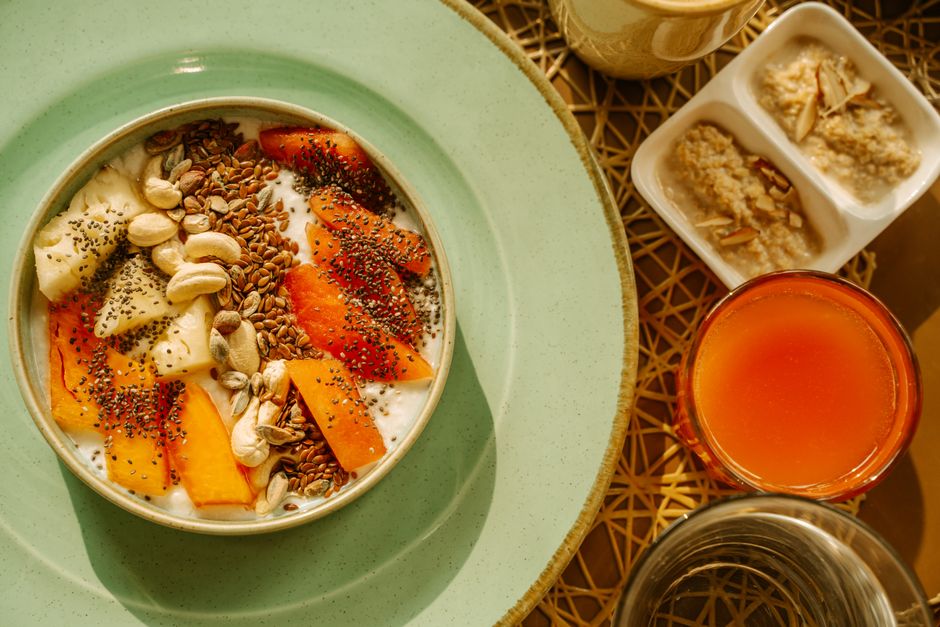
Vegetarians get protein by eating a wide range of plant foods, and the amount they need is no different from anyone else’s. The building blocks of protein — amino acids — are found in beans, lentils, soy, whole grains, nuts, seeds, and dairy or eggs if those are part of the diet. The practical steps are simple: eat enough total calories, include a protein source at most meals, and vary those sources across the day.
That last part matters more than most people realize. The old idea that you must carefully combine foods at every single meal — rice with beans, for example — has been largely set aside by nutrition science. Your body maintains a pool of amino acids and can assemble complete proteins from foods eaten across the day. Variety does the work that meal-by-meal pairing was once thought to do.
What follows is a step-by-step look at how this actually works, which foods carry the most protein, and where the real challenges tend to show up.
How Do Vegetarians Get Protein Step by Step?
Protein needs are met through total daily intake, not through any single food or meal. The steps below describe how that plays out in practice.
Step 1: Know your target. The general adult reference intake for protein is about 0.8 grams per kilogram of body weight per day. For a person weighing 70 kilograms (about 154 pounds), that works out to roughly 56 grams daily. This is the standard used in US dietary guidance for healthy adults. Needs rise for athletes, people recovering from illness, and during pregnancy, but those are individual conversations with a clinician.
Step 2: Spread protein across meals. Instead of trying to hit your whole target at dinner, aim for a protein source at two or three meals. This is easier on digestion and keeps you full through the day.
Step 3: Build meals around a protein anchor. Beans, lentils, tofu, tempeh, edamame, eggs, Greek yogurt, or cottage cheese can each serve as the center of a meal. Vegetables and grains fill out the rest.
Step 4: Use snacks to close the gap. Nuts, seeds, nut butter, roasted chickpeas, and yogurt are easy ways to add protein between meals.
Step 5: Check in periodically. If you feel tired, are losing muscle, or are struggling to recover from exercise, your intake may be low. A registered dietitian can help you sort out whether protein is the issue.
Which Plant Foods Have the Most Protein?
Soy foods lead the plant category, and legumes follow close behind. The table below shows approximate protein content per commonly eaten serving, based on standard USDA nutrient data.
| Food | Serving | Protein (approx.) |
|---|---|---|
| Tempeh | 1 cup cooked | 31 g |
| Lentils | 1 cup cooked | 18 g |
| Firm tofu | 1/2 cup | 10 g |
| Chickpeas | 1 cup cooked | 15 g |
| Black beans | 1 cup cooked | 15 g |
| Edamame | 1 cup shelled | 18 g |
| Greek yogurt (plain) | 1 cup | 20 g |
| Egg | 1 large | 6 g |
| Peanut butter | 2 tbsp | 7 g |
| Quinoa | 1 cup cooked | 8 g |
Notice how quickly the numbers add up. A breakfast with Greek yogurt and nuts, a lunch with lentil soup, and a dinner with tofu and quinoa can easily clear 60 grams without any special effort or supplements.
Do Vegetarians Need to Combine Proteins at Every Meal?
No. The strict food-combining rule that dominated nutrition advice for decades is not supported by current understanding of how the body handles amino acids.
Here is the physiology. When you eat protein, your digestive system breaks it into individual amino acids and releases them into the bloodstream. Your body maintains a circulating pool of these amino acids and draws on it as needed to build the proteins your tissues require. That pool is replenished throughout the day as you eat. Because of this, eating a food low in one amino acid at lunch and a food rich in that amino acid at dinner still gives your body what it needs.
This is a good example of a nutrition rule that made intuitive sense but did not hold up. The liver’s role in regulating amino acid levels means timing across meals is far less important than total daily intake and variety.
What does still matter is eating enough total protein and enough total calories. A vegetarian diet that is low in calories overall will struggle to meet protein needs, no matter how well the foods are paired.
What About Complete and Incomplete Proteins?
The terms “complete” and “incomplete” describe individual foods, not diets. A complete protein contains all nine essential amino acids in proportions the body can use efficiently. Most animal foods qualify. Most single plant foods are lower in one or more essential amino acids.
That sounds like a problem, but it is not. Here is why. The nine essential amino acids are the ones your body cannot make and must get from food. Plant foods vary in which ones they are lower in — grains tend to be lower in lysine, while legumes tend to be lower in methionine. When you eat a range of plant foods across the day, the amino acids from each cover the gaps in the others. The result is a complete amino acid supply even though no single food was complete on its own.
A few plant foods do carry all nine essential amino acids on their own. Soy foods, quinoa, buckwheat, and hemp seeds are the most commonly cited examples. But you do not need to build your diet around them. Variety is the simpler and more reliable strategy.
How Much Protein Do Vegetarians Actually Need?
Vegetarians need the same amount of protein as anyone else. There is no evidence that a well-planned vegetarian diet requires more protein than a mixed diet to meet the same needs.
The standard adult reference intake is 0.8 grams per kilogram of body weight per day. That figure comes from US dietary guidance and applies to healthy adults. It is not a minimum you must hit exactly — it is a reference intended to cover the needs of nearly all healthy people in a population.
Some groups have higher needs:
- Athletes and people doing regular strength training
- People recovering from surgery, burns, or serious illness
- Pregnant and breastfeeding women
- Older adults, who may need more to preserve muscle mass
For these groups, specific targets are best set with a clinician or registered dietitian. No single number fits everyone, and the research on optimal intake for athletes and older adults continues to develop.
What Are the Best Protein Sources for Vegetarians?
The best sources are the ones you will actually eat regularly. That said, some foods deliver more protein per serving and per calorie than others, and it helps to know which those are.
Soy foods are the strongest plant option. Tofu, tempeh, and edamame are high in protein and provide all nine essential amino acids. Tempeh in particular is dense — a single cup delivers more protein than most people get from an entire meal.
Legumes cover a wide range. Lentils, chickpeas, black beans, kidney beans, and split peas are inexpensive, versatile, and protein-rich. They also bring fiber, which supports digestive health and helps with fullness.
Dairy and eggs are options for lacto-ovo vegetarians. Greek yogurt, cottage cheese, milk, and eggs are all efficient protein sources. If you avoid dairy and eggs, the plant options above carry the load.
Nuts, seeds, and nut butters contribute meaningful protein, though usually in smaller amounts per serving. They are best used alongside a primary protein source rather than as the main one.
Whole grains add protein too. Quinoa, oats, and whole wheat bread each contribute a few grams per serving. On their own they are not enough, but across a day they add up.
Can a Vegetarian Diet Meet Protein Needs Without Supplements?
Yes, for most healthy adults. A varied vegetarian diet built around legumes, soy foods, whole grains, nuts, and seeds can meet protein needs without any supplement.
Protein powders are convenient, not necessary. They can help people with high needs, limited appetite, or a busy schedule, but they do not offer anything a plate of beans and rice cannot provide. They also tend to be more expensive per gram of protein than whole foods.
The exceptions are worth naming. People with very high protein needs, those who cannot eat enough volume due to illness, and some older adults may benefit from supplemental protein. That is a decision to make with a clinician, not a default.
One nutrient that does deserve attention on a vegetarian diet is vitamin B12, which is found naturally almost exclusively in animal foods. It has nothing to do with protein, but it is a genuine gap that vegetarians and especially vegans need to address. Fortified foods and supplements are the usual routes. This is one area where the evidence is clear and the recommendation is well established.
Frequently Asked Questions
How do vegetarians get enough protein every day?
They eat a variety of plant proteins — beans, lentils, soy foods, whole grains, nuts, and seeds — across the day. Total daily intake and variety matter more than any single meal.
Do vegetarians need to combine rice and beans at the same meal?
No. Your body maintains a pool of amino acids and draws on foods eaten throughout the day, so meal-by-meal pairing is not necessary. Eating a range of plant proteins across the day is enough.
How much protein does a vegetarian need per day?
The standard adult reference intake is about 0.8 grams per kilogram of body weight per day, the same as for non-vegetarians. Athletes, pregnant women, and older adults may need more, which is best discussed with a clinician.
Is it hard to get protein on a vegetarian diet?
For most healthy adults, no. A diet built around legumes, soy foods, whole grains, nuts, and seeds can meet protein needs without much effort or any supplements.
