
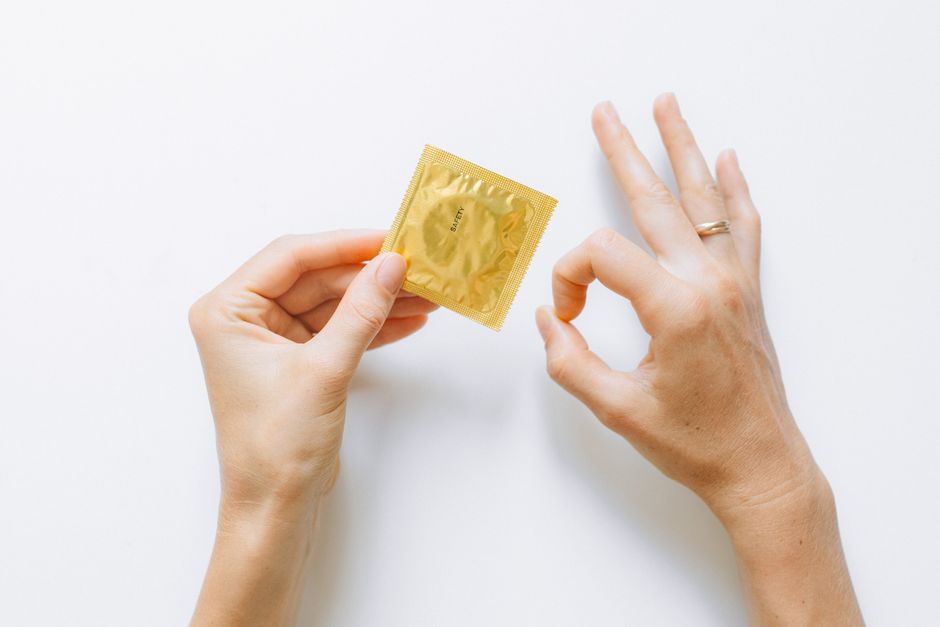
STD testing happens in three main ways: a blood draw, a urine sample, or a swab of the area being checked. Which one you get depends on the infection your doctor is looking for, not on your preference. No single test checks for every STD at once.
That is the short answer. The longer answer is that each method has real limits. A blood test can miss a brand-new infection. A urine test works for some infections but not others. And a swab is often the most accurate option, yet it is the one people avoid most.
How Do They Test For STDs Using Blood, Urine, and Swabs?
Each sample type is matched to specific infections. The test is not interchangeable. Asking for “the STD test” is like asking for “the blood test” — it does not exist as a single thing.
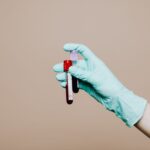
Blood tests look for antibodies or genetic material from an infection circulating in your bloodstream. They are used for HIV, syphilis, hepatitis B, and hepatitis C. These infections spread throughout the body, so they leave traces in blood even when no symptoms appear.
Urine tests are used mainly for chlamydia and gonorrhea. For these two, urine is often the preferred sample because it is easy to collect and painless. The urine carries cells and fluid from the urethra, where these bacteria live.
Swabs collect a sample directly from the site where an infection would be. That might be the cervix, vagina, urethra, throat, or rectum. Swabs are used for chlamydia, gonorrhea, trichomoniasis, herpes, and human papillomavirus (HPV).
A key point people miss: blood tests detect the body’s immune response or the organism itself, while urine and swab tests usually detect the organism directly. That difference explains why timing matters so much.
Why Does the Sample Type Matter So Much?
Because the infection has to be where you are looking. If you test the wrong place, you get a false sense of security.
Take gonorrhea as an example. It can infect the throat, the rectum, and the genitals. A urine test only picks up a genital infection. If someone has a throat infection from oral sex, a urine test will come back negative even though they are infected.
The same logic applies to chlamydia. A urine sample may miss a rectal or throat infection. Some clinicians recommend swabbing each site that could have been exposed, based on a person’s sexual history. This is common clinical practice, though how widely it is done varies between clinics.
Blood tests work differently. HIV, syphilis, and hepatitis spread through the body, so a blood sample can detect them regardless of where they entered. That is why these three are almost always tested through blood.
What Is the Window Period and Why Does It Matter?
The window period is the time between getting an infection and when a test can actually detect it. Testing too early is the single most common reason for a wrong result.
Your body does not show evidence of an infection the moment you catch it. It takes time to build antibodies, or for the organism to multiply enough to be detected. During that gap, a test can come back negative even when you are infected and can pass the infection to someone else.
Window periods differ by infection and by test type. Newer HIV tests that detect the virus itself, rather than antibodies, can find an infection sooner than older antibody-only tests. Still, no test detects an infection on day one.
This is why a doctor may ask when a possible exposure happened. If it was recent, they may recommend waiting and retesting rather than testing immediately. If you are unsure of the exact timeline, say so — it changes what test makes sense.

How Accurate Are These Tests?
Modern STD tests are generally accurate when used correctly and at the right time. But “accurate” is not the same as “perfect.”
Two types of errors exist. A false negative says you do not have an infection when you actually do. A false positive says you have one when you do not. False negatives are more common with early testing, because of the window period. False positives can happen with any test and are usually confirmed with a second, different test.
Swab and urine tests that detect the organism directly tend to be very reliable for chlamydia and gonorrhea when the sample is collected properly. Blood tests for HIV are highly reliable when done after the window period has passed.
No test is 100 percent. If a result does not match your symptoms or your history, it is reasonable to ask about retesting or a different test method.
What Should You Expect During Testing?
Most STD testing is quick and simple. Knowing what happens can make it less stressful.
- Blood draw: A needle takes a small sample from a vein in your arm. It takes a few minutes. Results usually come back within a few days, depending on the test.
- Urine test: You provide a sample in a cup. For chlamydia and gonorrhea, you may be asked not to urinate for a period before the test, because a concentrated sample gives better results.
- Swab: A soft swab collects cells from the cervix, vagina, urethra, throat, or rectum. Some swabs you can collect yourself in private. Others, like a cervical swab, are done by a clinician.
Cervical swabs are not painful for most people, though they can feel uncomfortable. Self-collected swabs for the vagina, throat, and rectum are increasingly offered and are generally considered reliable when done correctly.
Can You Test for STDs Without Symptoms?
Yes, and this is often the point. Many STDs cause no symptoms at all, especially early on.
Chlamydia is a common example. A large share of infections produce no noticeable signs, which is why screening matters even when you feel fine. Gonorrhea, HIV, and syphilis can also be silent for long stretches.
Because symptoms are unreliable, testing decisions are usually based on risk factors rather than how you feel. These can include new or multiple partners, a partner with an STD, or sex without a barrier. Routine screening recommendations vary by age, sex, pregnancy status, and personal risk, and they are set by public health bodies rather than by any single clinic.
If you have no symptoms but want to know your status, tell the clinician what you want to be tested for. “Full STD panel” means different things in different places, so it helps to be specific.
Which Test Is Used for Which Infection?
This table shows the most common sample types. It is a general guide, not a substitute for a clinician’s judgment.
| Infection | Common Sample Type |
|---|---|
| HIV | Blood (sometimes saliva with a rapid test) |
| Syphilis | Blood |
| Hepatitis B and C | Blood |
| Chlamydia | Urine or swab (genital, throat, rectum) |
| Gonorrhea | Urine or swab (genital, throat, rectum) |
| Trichomoniasis | Swab or urine |
| Herpes | Swab of a sore; blood for antibodies |
| HPV | Swab or cervical sample |
Two clarifications worth knowing. First, herpes blood tests detect antibodies, which means they cannot tell you when you were infected or whether you will get sores. Second, there is no routine test for HPV in men, and no approved HPV test for the throat or rectum in routine use. That is a real gap, not an oversight in your care.
Where Can You Get Tested?
Testing is available in more places than many people realize. Options include a primary care doctor, a gynecologist or urologist, a public health clinic, and some pharmacies.
At-home test kits are also widely sold. Their accuracy depends heavily on the test and how well the sample is collected. A home kit that uses a finger-prick blood sample or a self-collected swab can work for some infections, but the results are only as good as the sample and the timing. If a home test is positive, it should be confirmed by a clinician.
Cost and privacy are common concerns. Public health clinics often offer low-cost or free testing. Insurance usually covers testing that a clinician orders. You can ask about cost before any test is done.
Frequently Asked Questions
Can a urine test detect all STDs?
No. Urine testing is mainly used for chlamydia and gonorrhea. Infections like HIV, syphilis, and hepatitis require a blood test.
How long after exposure should I get tested?
It depends on the infection, because each has a different window period before it can be detected. Ask a clinician to match the timing to the specific infection you are concerned about.
Is a swab test more accurate than a urine test?
For some infections, a swab from the exposed site can detect an infection that a urine test would miss, such as a throat or rectal infection. The right choice depends on which sites may have been exposed.
Do STD tests hurt?
A blood draw feels like a brief pinch, and a swab can feel uncomfortable but is usually not painful. Many swabs can be self-collected in private if you prefer.
