
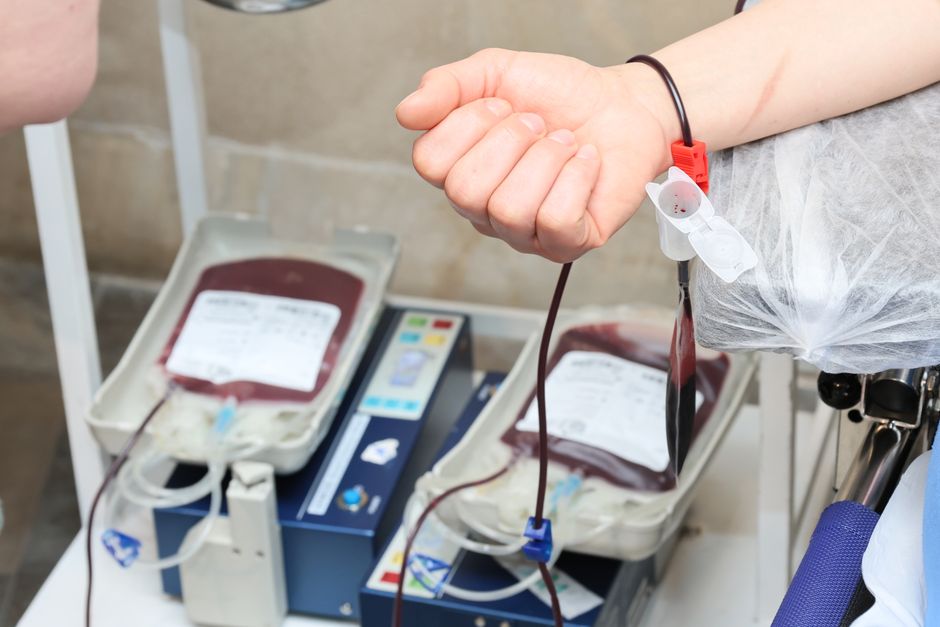
Plasma collection looks a lot like a regular blood donation, but the machine does something different with your blood. A technician inserts one needle into a vein in your arm. Your blood flows through sterile tubing into a machine that separates the plasma from your red cells and platelets. The machine keeps the plasma and returns the rest of your blood to your body, usually through the same needle. The whole process typically takes about 45 minutes to an hour or more, depending on the equipment and your body’s response.
That is the short answer. The longer answer covers what happens before the needle goes in, what the machine actually does inside its tubing, and what you should expect afterward. Here is the step-by-step process, explained honestly.
What Happens Before the Needle Goes In?
Plasma collection is a medical procedure, and it starts with screening. You will fill out a health questionnaire covering your medical history, medications, recent travel, and risk factors for infectious disease. A staff member reviews it with you and checks your vital signs, including blood pressure, pulse, temperature, and sometimes hemoglobin or protein levels.
Donors are also screened for infectious diseases such as HIV, hepatitis B, and hepatitis C. This screening is standard at licensed collection centers. The specific tests and eligibility rules vary by country and by the type of collection, so the exact requirements at your center may differ from what you read online.
If you pass screening, you sit or recline in a chair, and the technician cleans the skin at the inside of your elbow with an antiseptic. A tourniquet goes around your upper arm to make the vein easier to see. Then the needle goes in.
How Do They Take Plasma Step By Step Process?
The core of the process is called apheresis. The word means “separating,” and that is exactly what the machine does. Your whole blood leaves your arm, gets separated into its parts, and most of it comes back.
Here is the sequence, step by step:
- Needle placement. A single needle is inserted into a vein, usually in the arm. Some machines use two needles, one for drawing blood and one for returning it, but single-needle systems are common.
- Blood draw. Whole blood flows through sterile, single-use tubing into the apheresis machine. The tubing is discarded after your session, so there is no contact between your blood and the machine itself.
- Separation. Inside the machine, the blood spins in a centrifuge. Whole blood is denser in some components than others, so spinning separates it into layers: red blood cells, a thin layer of platelets and white cells, and plasma on top.
- Plasma collection. The machine diverts the plasma into a collection bag. The red cells and other components are kept in a separate chamber.
- Return. The machine pumps the red cells and other components back into your vein, usually with some saline to replace the volume. This return step is why you can donate plasma more often than whole blood.
- Repeat cycles. The draw-and-return cycle repeats several times during a session to collect a useful amount of plasma. That cycling is why plasma collection takes longer than a standard whole blood donation.
One detail worth knowing: the needle stays in your arm the whole time. The machine switches between drawing and returning through the same line. You may feel a cool sensation during the return phase because the saline and returning fluids are at room temperature. That is expected, not a sign something is wrong.
How Long Does Plasma Donation Take From Start to Finish?
The needle-in-arm portion usually runs about 45 minutes to an hour or more. The full visit, including screening, paperwork, and a short observation period afterward, often takes closer to 90 minutes to two hours.
Several things affect the time. Your body weight and blood volume matter, because the machine calculates how much plasma to collect based on them. Your hydration status matters, since well-hydrated blood flows more easily. The equipment itself matters too, because different machines run at different speeds.
First-time donors sometimes take longer because of extra screening and paperwork. If you are planning a visit, build in buffer time rather than scheduling something immediately after.





Is Plasma Donation Safe, and What Are the Risks?
Plasma donation is generally considered safe for eligible donors when performed at a licensed center with sterile, single-use equipment. The most common side effects are minor and short-lived.
Common effects include:
- Lightheadedness or dizziness, especially if you stand up too quickly
- Bruising or soreness at the needle site
- Fatigue after the session
- A cool or tingling sensation during the return phase, sometimes related to the anticoagulant used in the tubing
More serious complications are uncommon but possible. These include fainting, a hematoma (a collection of blood under the skin at the needle site), and, rarely, nerve irritation near the vein. Infection at the needle site is possible but rare with proper technique.
There is one point worth being clear about. Plasma donation removes fluid and proteins, including clotting factors and antibodies, and your body replaces them over time. That replacement is why donation frequency is limited. The specific interval between donations is set by regulators and collection centers, and it varies by country. Follow the guidance at your center rather than a number you read elsewhere.
How Is Plasma Donation Different From Whole Blood Donation?
Whole blood donation removes about a pint of blood and takes roughly 10 to 15 minutes for the draw itself. Your body then has to replace the red cells, which takes weeks. That is why whole blood donors typically wait longer between donations.
Plasma donation removes only the plasma and returns the red cells. Your body replaces plasma volume faster than it replaces red cells. This is the main reason plasma donors can give more frequently than whole blood donors, within the limits set by regulators.
Another difference is the machine. Whole blood donation is a passive gravity-fed collection. Plasma donation requires an apheresis machine, which means more setup and a longer session.
What Should You Do Before and After a Plasma Donation?
Preparation matters more than most people expect. Being well hydrated before your appointment helps blood flow and can reduce dizziness. Eating a normal meal beforehand is generally recommended, and skipping food tends to make lightheadedness more likely.
Avoid alcohol before donating. Tell the staff about all medications and supplements you take, because some affect eligibility. If you have a chronic condition, check with the collection center about their specific requirements.
After the session, keep the bandage on as directed, drink fluids, and avoid strenuous activity or heavy lifting for the rest of the day. If you feel dizzy, sit or lie down rather than trying to push through it. Most people feel normal within a few hours.
One clarification that gets lost in online discussions: plasma collected from paid donors in the United States is used mainly for manufacturing medicines, not for direct transfusion. Plasma for direct transfusion comes from volunteer donors through blood banks. Both pathways use the same apheresis process, but the screening and testing standards differ.
Who Is Eligible to Donate Plasma?
Eligibility rules vary by country and by collection center, so there is no single universal list. In general, donors must be adults within a certain age range, meet a minimum weight requirement, and be in reasonably good health.
Common disqualifiers include active infections, certain chronic diseases, recent travel to areas with infectious disease outbreaks, pregnancy, and use of certain medications. Some centers have specific rules about tattoos and piercings based on how recently they were done.
If you are unsure whether you qualify, the fastest path is to ask the center directly. Their criteria are the ones that apply to your donation.
Frequently Asked Questions
Does plasma donation hurt?
You feel a brief pinch when the needle goes in, similar to a standard blood draw. After that, most people feel little discomfort, though the return phase can cause a cool sensation in the arm.
How often can you donate plasma?
The allowed interval varies by country and is set by regulators and collection centers. In the United States, plasma donors are generally limited to no more than twice in a seven-day period with at least one day between donations, but confirm the current rule with your center.
Can you drive home after donating plasma?
Most people can drive themselves home if they feel steady, but you should wait until any dizziness passes. If you feel lightheaded, stay seated and tell staff before leaving.
Is the plasma machine reusing blood from other people?
No. All tubing and collection bags are sterile and single-use, and they are discarded after your session. Your blood never contacts the machine itself, only the disposable tubing.
