
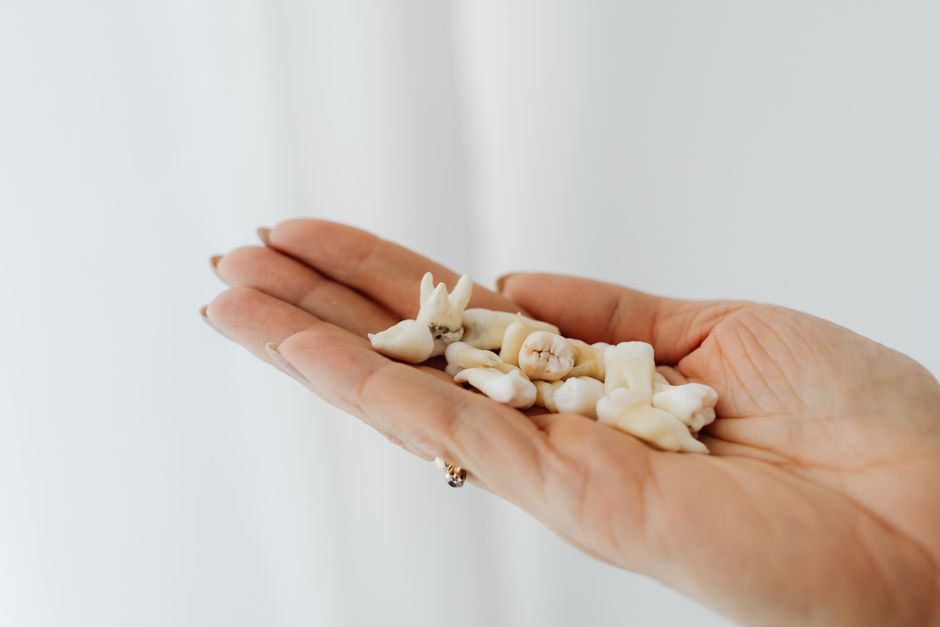
Wisdom teeth removal is one of the most common surgical procedures performed in the United States, usually done in the late teens or early twenties. The dentist or oral surgeon opens the gum, removes the tooth (or teeth), and closes the site with stitches if needed. The procedure itself often takes under an hour, and most people recover enough to return to normal routines within about a week, though full healing of the socket takes longer.
What Are Wisdom Teeth and Why Do They Often Need to Come Out?
Wisdom teeth are the third and final set of molars, located at the very back of the mouth. They typically emerge between ages 17 and 25. Many people simply do not have enough room in their jaw for these teeth to come through properly.
When a wisdom tooth cannot fully erupt, it becomes impacted. It may grow sideways, tilt toward the next molar, or remain trapped beneath the gum and bone. Impacted teeth can push against neighboring teeth, cause pain, trap food and bacteria, and in some cases lead to infection or cyst formation around the tooth.
Not every wisdom tooth needs removal. If a tooth has fully erupted, sits in a healthy position, and can be cleaned properly, some dentists recommend leaving it alone. The decision depends on the position of the tooth, the health of surrounding teeth, and whether the person can keep the area clean. This is a judgment call that varies from patient to patient, and it is reasonable to ask your dentist why removal is being recommended in your specific case.
How Do They Remove Wisdom Teeth Procedure Recovery?
The procedure follows a predictable sequence whether it is done in a dental office or an oral surgery clinic. The complexity depends on how deeply the tooth is embedded and whether it has curved roots.
Here is what typically happens:
- Anesthesia. Most people receive local anesthesia to numb the area. For deeper or multiple extractions, sedation options range from nitrous oxide to oral sedatives to intravenous sedation. General anesthesia is used in some cases, particularly for fully impacted teeth or when several teeth are removed at once.
- Incision. If the tooth has not broken through the gum, the surgeon makes a small cut in the gum tissue to reach it.
- Bone removal. If bone blocks access to the tooth, a small amount is removed with a drill.
- Tooth extraction. The tooth may be removed whole or sectioned into smaller pieces for easier removal. You may feel pressure during this step but should not feel sharp pain if anesthesia is working.
- Cleaning and stitching. The socket is rinsed, and stitches are placed if needed. Some stitches dissolve on their own; others require a follow-up visit for removal.
- Gauze placement. A gauze pad is placed over the site to control bleeding and promote clot formation.
The entire appointment usually lasts 30 to 60 minutes for a single tooth, longer if multiple teeth are removed. The surgical steps themselves are well established and have not changed dramatically in decades.
What Does Recovery Actually Look Like Day by Day?
Recovery follows a fairly consistent pattern for most people, though the timeline varies based on how many teeth were removed and how deeply they were impacted.
First 24 hours: Bleeding usually stops within a few hours with gauze pressure. Swelling begins to develop. Pain is managed with prescribed or over-the-counter medications. Most people rest with their head elevated and apply ice packs in 20-minute intervals.
Days 2 to 3: Swelling typically peaks around 48 hours and then starts to subside. Jaw stiffness and soreness are common. Soft foods and gentle rinsing (starting the day after surgery, not the same day) are usually recommended.
Days 4 to 7: Swelling decreases. Most people return to work or school within a few days, though physical activity may still need to be limited. Stitches that dissolve begin to loosen.
Week 2 and beyond: The socket continues to fill in with new tissue. The gum surface usually closes over within a few weeks, but the bone underneath takes several months to fully heal.
These timelines are general. Some people bounce back faster; others take longer. Factors like age, overall health, smoking, and the complexity of the extraction all play a role. Smoking significantly slows healing and increases the risk of complications, which is why most surgeons advise against it during recovery.
What Complications Can Happen After Wisdom Teeth Removal?
Most recoveries are uncomplicated. When problems do arise, they tend to fall into a few categories.
Dry socket is the most common complication. It happens when the blood clot that protects the socket is dislodged or dissolves too early, exposing bone and nerve endings. It causes significant pain, usually starting a few days after surgery. Dry socket is more common with lower wisdom teeth and in people who smoke. Treatment involves cleaning the socket and placing a medicated dressing, often repeated over several days.
Infection is less common but possible. Signs include increasing pain, swelling that worsens rather than improves, fever, or pus. Antibiotics may be prescribed if infection develops.
Nerve injury is rare but can occur when a wisdom tooth sits close to the inferior alveolar nerve in the lower jaw or the lingual nerve. This can cause temporary numbness or tingling in the lip, chin, or tongue. Most cases resolve within weeks to months, though in rare instances the effect is permanent. Imaging before surgery helps surgeons assess this risk.
Bleeding that does not stop or difficulty breathing after sedation are emergencies that require immediate medical attention.
How Should You Care for the Extraction Site While It Heals?
Aftercare is straightforward but matters a great deal for how smoothly recovery goes.
- Bite gently on gauze for the first few hours to control bleeding.
- Apply ice packs to the outside of the cheek in 20-minute intervals during the first 24 hours.
- Do not rinse, spit forcefully, or use a straw for the first 24 hours. Suction can dislodge the clot.
- Starting the day after surgery, gently rinse with warm salt water several times a day, especially after meals.
- Eat soft foods: yogurt, applesauce, mashed potatoes, scrambled eggs, smoothies (without a straw).
- Avoid hot, spicy, crunchy, or sticky foods during the early healing phase.
- Take medications as directed. If antibiotics are prescribed, finish the full course.
- Avoid smoking and alcohol, which interfere with healing and increase complication risk.
- Limit strenuous activity for the first few days to reduce bleeding risk.
Some soreness and swelling are expected. Pain that worsens after day three, a bad taste, or a fever are reasons to call your dentist or surgeon.
When Can You Go Back to Normal After Wisdom Teeth Removal?
Most people return to desk work or light daily activities within one to three days. Physical jobs or sports usually require about a week off, sometimes longer if multiple teeth were removed or the impaction was severe.
Full bone healing takes months, but the practical recovery — the part you notice — is usually measured in days to a couple of weeks. Swelling and jaw stiffness tend to fade within the first week. Any lingering tenderness at the site may persist a bit longer.
Follow-up appointments are typically scheduled about a week after surgery to check healing and remove non-dissolving stitches if used. Your surgeon will tell you when it is safe to resume normal eating, exercise, and oral hygiene habits.
Frequently Asked Questions
How long does wisdom teeth removal surgery take?
A single tooth usually takes 20 to 40 minutes, while removing all four can take an hour or more depending on impaction. The appointment may run longer when sedation is used.
Is wisdom teeth removal painful?
The procedure itself is not painful when anesthesia is working correctly, though you may feel pressure. Afterward, soreness and swelling are expected and are typically managed with pain medication.
What is a dry socket and how common is it?
Dry socket occurs when the protective blood clot is lost, exposing bone and nerves, causing intense pain a few days after surgery. It is the most common complication of wisdom tooth removal, and it is more likely in smokers and with lower molar extractions.
Can I drive myself home after wisdom teeth removal?
No, you should not drive if you received sedation or general anesthesia. Arrange for someone else to drive you home and stay with you for the first few hours.
