
Every day, hospitals, clinics, dental offices, and labs generate tons of material that could carry infectious disease. How do they dispose of medical waste? The short answer: they sort it at the point of generation, then destroy or contain it using methods like autoclaving (steam sterilization), incineration, chemical disinfection, irradiation, and controlled landfill burial. Each method is matched to the type of waste, and the rules governing it are strict for good reason.
What most people never see is the sorting step. Long before anything gets destroyed, someone has to decide whether a used item is ordinary trash, regulated medical waste, or something even more dangerous. That decision drives everything that follows.
How Do They Dispose Of Medical Waste Key Methods?
The disposal method depends entirely on what the waste is. A used gauze pad, a scalpel, and a vial of chemotherapy drugs do not follow the same path.
Regulated medical waste generally falls into a few categories: infectious waste (blood-soaked items, cultures, human tissue), sharps (needles, scalpels, broken glass), pathological waste, pharmaceutical waste, and chemical or radioactive waste. Each category has its own handling rules.
Here are the main disposal methods in use today:
- Autoclaving — high-pressure steam that kills microorganisms. Used for many types of infectious waste and sharps after they are placed in approved containers.
- Incineration — high-temperature burning that destroys waste entirely. Common for pathological waste, some pharmaceuticals, and items that cannot be safely sterilized.
- Chemical disinfection — used mainly for liquid waste and some surfaces or instruments, not for solid waste in bulk.
- Irradiation — ionizing radiation that breaks down microbial DNA. Used in some commercial treatment facilities.
- Microwave treatment — steam and heat combined, used in some settings for certain waste streams.
- Landfill disposal — only after waste has been treated to reduce infectious risk, and only in permitted facilities.
The key point: nothing goes to a landfill untreated if it is potentially infectious. Treatment comes first.
What Happens to Medical Waste Before It Leaves the Building?
Sorting at the point of generation is the single most important step. Get it wrong and the whole system breaks down.
Staff are trained to separate waste the moment it is created. A needle goes straight into a puncture-resistant sharps container. Blood-soaked bandages go into a red bag. Regular packaging goes into ordinary trash. This sounds simple, but it is where most errors happen — and errors are costly and dangerous.
Once sorted, waste is stored in designated areas, often locked or secured, away from patient areas and food. It cannot sit indefinitely. Most regulations set limits on how long untreated waste can be stored on-site, though those limits vary by state and by waste type.
From there, a licensed medical waste hauler picks it up. These companies are regulated, and they must track the waste from pickup to final treatment or disposal. That tracking is called a manifest system, and it creates a paper trail so regulators can confirm the waste went where it was supposed to go.
How Does Autoclaving Work?
Autoclaving is essentially a pressure cooker on an industrial scale. It uses steam under pressure to reach temperatures that kill bacteria, viruses, fungi, and spores.
The waste goes into a sealed chamber. Air is removed, because trapped air prevents steam from contacting surfaces. Then steam is introduced at high pressure. The combination of heat, moisture, and pressure destroys microorganisms by denaturing their proteins and breaking down cell structures.
After the cycle, the treated waste is no longer considered infectious. It can sometimes go to a regular landfill, depending on local rules. But autoclaving does not reduce the volume much, and it does not destroy the physical items. A treated needle is still a needle. It is sterile, but it is still sharp.
Autoclaving works well for many types of infectious waste. It does not work for everything. Some chemicals break down into harmful vapors under heat. Radioactive waste cannot be autoclaved. And pathological waste — human tissue, organs — is often incinerated instead, partly out of respect and partly because of volume.



Why Is Incineration Still Used?
Incineration destroys waste completely. It reduces volume dramatically, destroys pathogens, and handles things autoclaving cannot.
Modern medical waste incinerators are not the smoky burn barrels of decades past. They operate at controlled high temperatures with pollution control systems that capture or neutralize harmful emissions. That said, incineration has real environmental concerns. Burning certain plastics and chemicals can release toxic compounds, and older or poorly maintained incinerators are a genuine problem.
Incineration is often the method of choice for:
- Pathological waste (human tissue, body parts)
- Some types of pharmaceutical waste
- Waste contaminated with certain chemicals
- Items that cannot be safely treated any other way
The trade-off is real. Incineration solves the infectious risk but creates air quality concerns. That is why it is regulated heavily and why alternatives are used wherever they work.
What About Sharps and Needles?
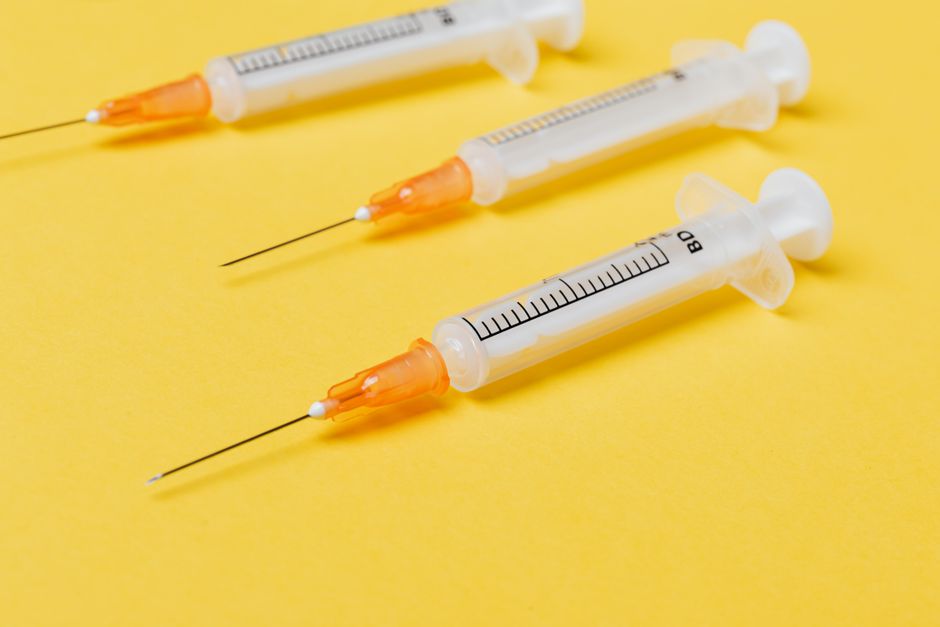
Sharps get special treatment because they injure people. A needle stick can transmit bloodborne pathogens like hepatitis B, hepatitis C, and HIV.
Needles, syringes with needles attached, scalpels, lancets, and broken glass go into puncture-resistant containers. These containers are rigid, leak-proof, and clearly labeled. They are never filled more than about three-quarters full, because overfilling causes injuries when someone tries to close them.
Once full, sharps containers are sealed and treated. Many are autoclaved or incinerated. Some facilities use specialized shredding and disinfection systems that destroy the needle itself so it cannot be reused or cause injury.
The critical rule: needles are never recapped by hand, never bent, never broken, and never removed from syringes before disposal. Recapping is one of the most common causes of needle stick injuries in healthcare settings.
How Is Medical Waste Regulated?
In the United States, medical waste is regulated at multiple levels, and the rules are not identical everywhere.
The Environmental Protection Agency sets national standards for some aspects, particularly incinerator emissions. The Occupational Safety and Health Administration sets rules to protect workers who handle waste. But the day-to-day regulation of medical waste is largely handled by state health and environmental agencies. That means requirements can differ significantly from state to state.
Most states require:
- Licensing or registration for waste haulers and treatment facilities
- Specific packaging, labeling, and container requirements
- Time limits on storage before treatment
- Tracking documents (manifests) that follow the waste
- Training for staff who handle waste
Some states also require treatment facility permits and regular inspections. The inconsistency between states is a known issue. Waste that is regulated in one state might face different rules just across the border.
For households, the rules are different. Home-generated medical waste — insulin needles, for example — is usually not covered by the same regulations. Many communities offer drop-off programs or mail-back services for sharps. Throwing loose needles in the trash is dangerous and, in many places, illegal.
What Happens to Treated Waste?
Once waste has been treated and is no longer infectious, it enters the regular waste stream in many cases. It goes to a landfill or, in some cases, a waste-to-energy facility.
This surprises people. Treated medical waste often ends up in the same landfills as household trash. The difference is that it has been processed to eliminate the infectious risk. It is not hazardous anymore — or at least, it is not supposed to be.
Some materials can be recycled after treatment. Metal instruments, for example, can sometimes be recovered and reprocessed. But recycling medical waste is limited by concerns about contamination and by the difficulty of verifying that treatment was complete.
Untreated waste never goes directly to a landfill. If it did, it would pose a risk to waste workers, scavengers, and the environment. The entire system exists to prevent that.
Frequently Asked Questions
Can medical waste be thrown in regular trash?
No. Infectious waste, sharps, and pathological waste must be treated or destroyed through regulated channels before disposal. Only waste that has been properly treated and is no longer infectious can enter the regular waste stream.
Is autoclaving as good as incineration?
They serve different purposes. Autoclaving sterilizes waste but does not destroy it, while incineration destroys waste completely but raises air quality concerns. The right method depends on the type of waste and local regulations.
What do hospitals do with used needles?
Used needles go into puncture-resistant sharps containers that are sealed when about three-quarters full. Those containers are then autoclaved, incinerated, or shredded and disinfected before final disposal.
Can I put insulin needles in the trash at home?
In most places, no. Many communities offer sharps drop-off or mail-back programs, and some states require them. Check with your local health department for the rules where you live.
