
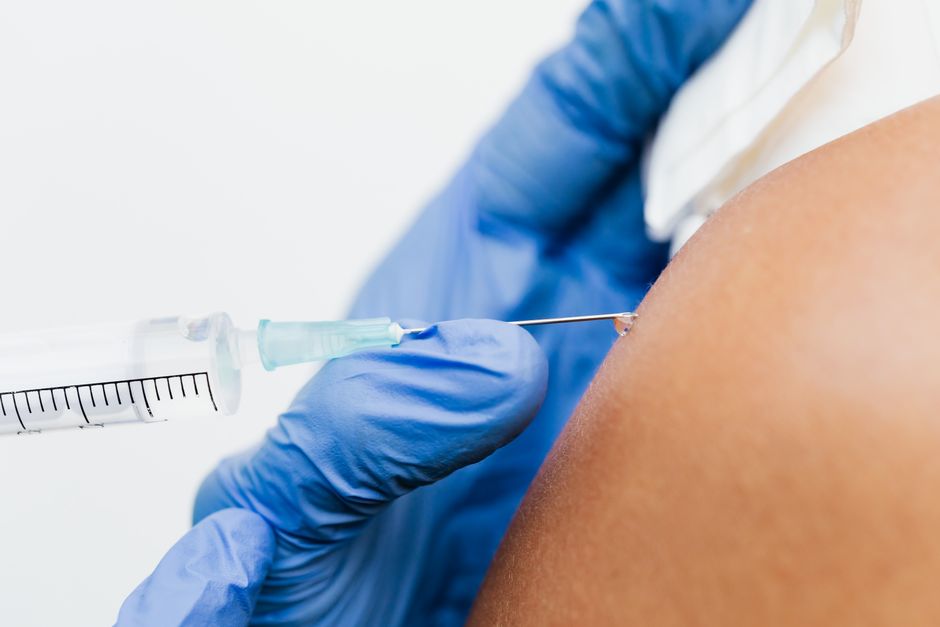
A herniated disc can press on a spinal nerve and send sharp, burning pain down an arm or leg. Steroid injections can calm that irritated nerve and reduce pain for weeks or months by delivering a strong anti-inflammatory medicine close to the source. They do not repair the torn disc or remove the bulge. Instead, they lower the inflammation around the nerve, which is often what causes the worst symptoms.
These shots are one option among several, not a cure. Many people improve without them, and the evidence on how much they help is more mixed than most clinic brochures suggest. Here is what the research actually shows.
What Is Actually Happening When A Disc Herniates?
Spinal discs are soft cushions that sit between the bones of your spine. Each disc has a tough outer ring and a jelly-like center. A herniation happens when the soft inner material pushes out through a tear in the outer ring.
The bulging material itself can press on a nearby nerve root. But pressure alone does not fully explain the pain. When disc material leaks out, the body treats it as an irritant and launches an inflammatory response. That inflammation sensitizes the nerve, meaning it fires more easily and sends pain signals even from light touch or normal movement.
This is the key point for understanding injections. Two things drive the symptoms: mechanical pressure and chemical inflammation. Surgery addresses the pressure. Steroid injections target the inflammation. Neither approach addresses both at once, which is why results vary from person to person.
How Do Steroid Injections Help A Herniated Disc?
Steroids used in these injections are corticosteroids, which are powerful anti-inflammatory drugs. They are not the same as the anabolic steroids some athletes misuse. Corticosteroids mimic cortisol, a hormone your body already makes to control inflammation.
When injected near the inflamed nerve root, the medicine suppresses the immune cells and chemical signals driving that inflammation. With less inflammation, the nerve becomes less sensitized. Pain, tingling, and sometimes weakness can ease, even though the disc bulge is still there.
This explains a pattern doctors see often. Imaging might show the same disc bulge before and after a successful injection. The structure did not change, but the pain did. That is consistent with inflammation being a major driver of symptoms.
The relief is usually temporary. The steroid dose and its effect wear off over time, often within weeks to a few months. During that window, many people find physical therapy and normal activity easier, which may help them recover further on their own.
What Types Of Steroid Injections Are Used?
The type of injection depends on where the problem is in the spine. The goal is the same in each case: get the medicine close to the irritated nerve without hitting other structures.
- Epidural steroid injection. The most common type. Medicine is placed in the epidural space, the area just outside the sac that holds the spinal cord and nerves. Used for disc herniations in the lower back and neck.
- Transforaminal injection. The needle enters from the side and targets a specific nerve root. This allows a more precise delivery than a general epidural approach.
- Nerve root block. A similar idea, aimed directly at one nerve root, sometimes used both to diagnose and to treat.
- Facet joint injection. Targets the small joints of the spine rather than the disc or nerve root. Not typically used for disc herniation itself.
Most injections are done with imaging guidance, such as fluoroscopy or CT, so the doctor can see exactly where the needle goes. Without guidance, the medicine may not reach the right spot.




How Well Do These Injections Actually Work?
The evidence is mixed, and it is worth being honest about that. Some studies show meaningful short-term pain relief. Other well-designed trials show that injections perform about the same as a placebo injection, or that any benefit fades within a few months.
A reasonable summary of the research is this: epidural steroid injections may reduce pain in the short term, roughly in the range of weeks to a few months, for some people with a herniated disc. The evidence for long-term benefit is weak. There is little good evidence that injections help people avoid surgery in the long run.
Response varies widely. Some people get substantial relief. Others get none. Doctors cannot reliably predict in advance who will respond. This is not a failure of the treatment so much as a reflection of how complex nerve pain is.
One practical point: many herniated discs improve on their own over weeks to months, with or without an injection. This makes it hard to tell whether an injection helped or whether the person was already recovering. That is one reason placebo-controlled trials matter so much here.
Who Might Consider An Injection, And Who Might Not?
Injections are generally considered when pain from a herniated disc is significant and has not improved with more conservative measures like rest, activity modification, and physical therapy. They are often used to help people function well enough to take part in rehab.
They are not usually the first step for mild symptoms. And they are not a fix for every kind of back or neck pain. If the pain is not coming from a nerve root being irritated by a disc, an injection aimed at that nerve is unlikely to help.
Some situations need urgent medical attention rather than an injection. These include progressive weakness, loss of bladder or bowel control, and numbness in the saddle area. These can signal a serious condition called cauda equina syndrome, which is a medical emergency. Anyone with these symptoms should seek care immediately and not wait for an injection.
What Are The Risks And Side Effects?
Serious complications are uncommon but real. The most discussed risk is a rare but serious injury to the spinal cord or nerves. This is why imaging guidance and experienced providers matter.
More common side effects include:
- Temporary increase in pain for a day or two after the shot
- Headache
- Flushing or a brief rise in blood sugar, especially in people with diabetes
- Minor bleeding or soreness at the injection site
- Infections, which are rare
Repeated injections carry their own concerns. Steroids can weaken tissue and affect the body’s stress hormone system over time. Because of this, many clinicians limit how often injections are repeated, though there is no single agreed-upon number that applies to everyone. If you are considering more than one or two, it is worth asking your doctor about the reasoning and the alternatives.
People with certain conditions, such as active infection or poorly controlled diabetes, may need extra caution. This is a conversation to have with your own clinician, since individual circumstances vary.
How Does This Compare To Other Options?
It helps to see injections as one tool, not the whole toolkit. Here is how the main options differ in what they target.
| Approach | What It Targets | Typical Role |
|---|---|---|
| Steroid injection | Inflammation around the nerve | Short-term pain relief to enable activity and rehab |
| Physical therapy | Strength, movement, posture | Core conservative treatment for most people |
| Pain medication | Pain signals | Temporary symptom control |
| Surgery | Mechanical pressure on the nerve | Considered when symptoms are severe or not improving |
No single option is clearly best for everyone. Many people do well with conservative care alone. Surgery is usually reserved for cases where symptoms are severe, worsening, or not improving after a reasonable period of other treatment.
What Should You Expect During And After?
The procedure itself is usually quick, often under 15 minutes, and done as an outpatient visit. Most people can go home the same day. Some clinics use light sedation; others do not.
Relief does not always come right away. Some people feel better within days. Others notice improvement over a week or two. A temporary flare of pain in the first day or two is common and does not necessarily mean the injection failed.
If there is no improvement after a reasonable trial, that is useful information. It may mean the pain is coming from something other than the inflamed nerve root, or that the injection did not reach the target. Either way, it is a signal to reconsider the plan rather than repeat the same shot indefinitely.
Frequently Asked Questions
Do steroid injections fix a herniated disc?
No. They reduce inflammation around the irritated nerve but do not repair the torn disc or remove the bulge. The disc changes on its own over time, if at all.
How long does pain relief from a steroid injection last?
When it works, relief often lasts from a few weeks to a few months. The evidence for lasting benefit beyond that is weak.
Are steroid injections for a herniated disc safe?
Serious complications are uncommon but possible, which is why imaging guidance and an experienced provider matter. Common side effects include a brief pain flare, headache, and a temporary rise in blood sugar.
When should I not get a steroid injection for back pain?
Seek urgent care instead if you have progressive weakness, loss of bladder or bowel control, or numbness in the saddle area. These can signal a medical emergency and should not wait for an injection.
