
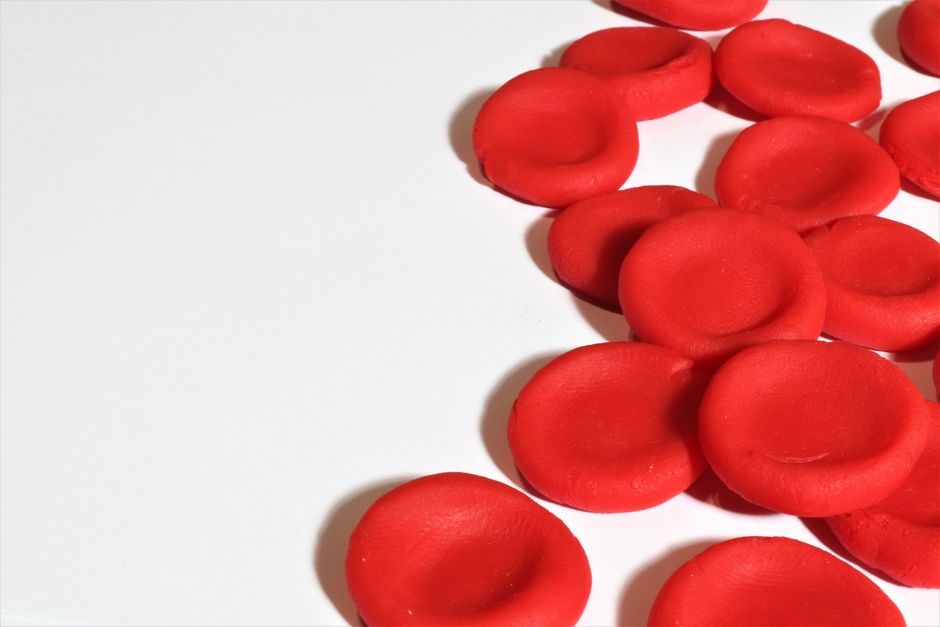
Red blood cells are built to wear out. Each one survives roughly 120 days in circulation, then gets quietly dismantled and recycled — mostly by immune cells in the spleen, liver, and bone marrow. The process is constant and efficient: your body destroys and replaces about 1 percent of its red blood cells every day, and you never notice it happening.
What follows is how that lifespan unfolds, what actually triggers removal, and where the pieces go afterward.
How Long Do Red Blood Cells Normally Live?
A healthy red blood cell circulates for about 120 days. That figure is well established and shows up consistently in physiology and hematology references.
The number matters because it sets the pace for everything else. Your bone marrow has to replace that steady loss every single day. In a healthy adult, that means producing somewhere around 2 million red blood cells per second to keep the count stable.
Red blood cells are unusual among your cells in one important way: mature ones have no nucleus and no mitochondria. They cannot divide, repair themselves, or build new proteins. Once they enter the bloodstream, they are essentially on a one-way trip. That design is efficient for carrying oxygen — a mature red blood cell is basically a flexible bag of hemoglobin — but it also means the cell has no way to maintain itself over time.
Why Do Red Blood Cells Age?
Without a nucleus or mitochondria, a red blood cell cannot replace damaged components. It simply accumulates wear.
Several things happen over those 120 days:
- The cell loses membrane surface area and becomes less flexible.
- Hemoglobin can oxidize, and the cell’s internal antioxidant systems run down.
- Enzymes that help the cell manage energy and protect itself gradually lose activity.
- Chemical changes accumulate on the cell surface, including loss of certain membrane lipids and changes to surface proteins.
The result is a cell that is stiffer, denser, and less able to squeeze through narrow capillaries. That loss of flexibility is a big part of what marks it for removal. A red blood cell has to deform dramatically to pass through the smallest blood vessels, and an old, stiff cell struggles to do that.
How Do Red Blood Cells Die From Aging To Removal?
There is no single death switch. Instead, aging red blood cells accumulate changes that immune cells recognize, and that recognition triggers removal.
The main mechanism involves macrophages — immune cells that act as the body’s cleanup crew. As red blood cells age, they expose or lose specific markers on their surface. One well-studied marker is phosphatidylserine, a lipid normally kept on the inside of the cell membrane. When it flips to the outside, it acts as an “eat me” signal.
Macrophages in the spleen, liver, and bone marrow recognize these aged cells and engulf them. This is sometimes called erythrophagocytosis — literally, the eating of red blood cells.
The spleen deserves special mention here. Its narrow passages force red blood cells to squeeze through tight spaces. Young, flexible cells make it through. Old, stiff ones get trapped and are removed by the macrophages stationed there. This filtering role is why the spleen is sometimes described as the “red blood cell graveyard,” though the liver and bone marrow also do significant work.
It’s worth clarifying something that gets simplified in a lot of explanations: red blood cells don’t really “die” the way a typical cell does. They don’t rupture in large numbers under normal conditions or trigger inflammation. They are recognized and recycled before they fall apart. The system is designed to remove them cleanly.
What Happens to Red Blood Cells After Removal?
Nothing goes to waste. The breakdown products are recycled with remarkable efficiency.
Once a macrophage engulfs an aged red blood cell, it breaks the cell apart and processes the hemoglobin. Here’s what happens to the main components:
- Iron is extracted and returned to the bloodstream, where it is carried by transferrin back to the bone marrow to be used in new red blood cells. Your body is very good at conserving iron, which is why dietary iron needs are relatively modest compared to how much iron cycles through your red blood cells daily.
- Globin, the protein part of hemoglobin, is broken down into amino acids that re-enter the general protein pool.
- Heme, the iron-containing ring structure, is converted into biliverdin and then to bilirubin. Bilirubin travels to the liver, gets processed, and is excreted in bile. This is the normal source of the bilirubin measured on standard blood tests.
That last point explains something practical. A mild elevation in bilirubin can reflect increased red blood cell breakdown, which is why doctors pay attention to it alongside other markers. The yellow color of bruises as they heal comes from a related process — breakdown of hemoglobin from red blood cells that leaked into tissue.
What Happens When Red Blood Cells Are Destroyed Too Early?
Sometimes red blood cells are removed well before 120 days. When that happens faster than the bone marrow can replace them, it can lead to anemia.
This premature destruction is called hemolysis. It can have many causes, and the underlying reasons vary widely. Some are inherited conditions affecting the red blood cell membrane, hemoglobin structure, or enzymes. Others are acquired — certain infections, immune reactions, mechanical damage from artificial heart valves, or other medical conditions.
The distinction between normal aging and premature destruction matters clinically. In normal removal, the spleen and liver quietly handle old cells. In hemolysis, red blood cells may break apart inside blood vessels, releasing hemoglobin directly into the plasma. That can cause different symptoms and lab findings, and it’s one reason doctors look at multiple markers — not just red blood cell count — when evaluating anemia.
If the bone marrow can keep up with the extra destruction, a person may have no symptoms at all. If it can’t, symptoms of anemia appear: fatigue, shortness of breath, pale skin, and a rapid heartbeat.
How Does the Body Replace Lost Red Blood Cells?
Replacement happens in the bone marrow, and it is tightly matched to loss.
The key signal is a hormone called erythropoietin, produced mainly by the kidneys. When the kidneys sense lower oxygen delivery — which happens when red blood cell numbers drop — they release more erythropoietin. That hormone tells the bone marrow to ramp up red blood cell production.
New red blood cells go through several stages of development before entering the bloodstream. They need iron, vitamin B12, folate, and other nutrients to mature properly. A shortage of any of these can limit production, which is one reason nutritional deficiencies can cause anemia even when red blood cell destruction is completely normal.
Newly released red blood cells are called reticulocytes for their first day or two in circulation. Counting them gives doctors a snapshot of how actively the bone marrow is producing new cells — useful information when trying to figure out whether anemia comes from a production problem or a destruction problem.
Frequently Asked Questions
How long do red blood cells live?
About 120 days in a healthy adult. After that, they are removed by macrophages mainly in the spleen, liver, and bone marrow.
Where are old red blood cells destroyed?
Mostly in the spleen, with the liver and bone marrow also playing significant roles. Macrophages in these organs recognize and engulf aged red blood cells.
What happens to the iron from old red blood cells?
It is extracted by macrophages and returned to the bloodstream, then carried back to the bone marrow for use in new red blood cells. Your body recycles iron very efficiently.
Can red blood cells be destroyed too early?
Yes — this is called hemolysis, and it can result from inherited conditions, infections, immune reactions, or mechanical damage. If destruction outpaces replacement, anemia can develop.
