
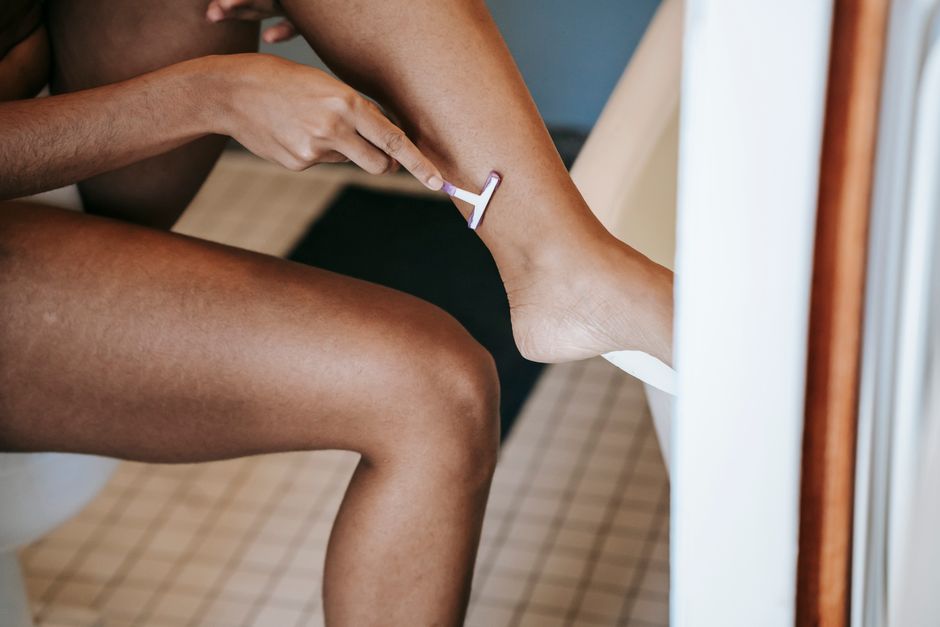
Razor bumps are the small, red, irritated spots that show up on your skin after shaving. They happen when a sharp blade cuts a hair below the surface of the skin, and the new hair grows back and curls into the skin instead of rising out of the follicle. This triggers inflammation that looks like a rash of tiny bumps. You can lower your risk by shaving in the direction the hair grows, using a sharp blade, and preparing your skin with warm water first.
What Are Razor Bumps, Exactly?
The medical name for razor bumps is pseudofolliculitis barbae. It is a condition where hair that has been cut short curves back and pierces the skin near the follicle. The body treats the ingrown hair as a foreign object and responds with redness, swelling, and small raised bumps.
This is different from a simple nick or cut. A nick is a wound on the surface. A razor bump is an inflammatory reaction that develops over hours or days after you shave. The bumps often itch, and in some cases they fill with a small amount of pus.
Razor bumps are most common in areas with thick, curly hair. That includes the beard area, the neck, the pubic region, the armpits, and the legs. People with tightly coiled hair are more likely to develop them because the curl of the hair makes it easier to re-enter the skin.
It is worth separating razor bumps from two other conditions. Folliculitis is an infection or inflammation of the hair follicle itself, often caused by bacteria. Razor burn is surface irritation that looks like a red, stinging rash without the characteristic ingrown hairs. All three can happen at the same time, but they are not the same thing.
How Do Razor Bumps Happen?
The process starts with the cut itself. A razor blade slices a hair at or slightly below the skin surface. Because the hair is now shorter than the follicle opening, the tip can retract beneath the skin as it grows.
As the hair lengthens, two things can occur. In one path, the sharp tip curves back and pierces the wall of the follicle from the inside. In the other, the hair exits the follicle but then curves around and re-enters the skin through the surface. Both paths leave a piece of hair embedded in living tissue.
Your immune system does not recognize the hair as part of your body in this position. It sends inflammatory cells to the area, which produces the redness, swelling, and bump you see. This is why the reaction appears after shaving, not during it.
Several factors make this more likely:
- Hair texture. Curly and coarse hair curves more easily and is more likely to re-enter the skin.
- Shaving technique. Pulling the skin taut and shaving close can cut hair below the surface, which sets up the ingrown cycle.
- Blade condition. A dull blade tugs and tears hair rather than cutting it cleanly, which can leave jagged tips.
- Shaving against the grain. Cutting against the direction of hair growth removes more hair below the surface.
- Multiple passes. Going over the same area again and again shortens hair further and irritates the skin.
- Dry shaving. Without water and lubrication, the blade drags across skin and cuts less cleanly.
Hormones play a role too, indirectly. Androgens drive beard and body hair growth, which is why razor bumps are more common in men in the beard area and can worsen during puberty. In women, the condition can appear in the pubic area or on the legs.
Who Gets Razor Bumps Most Often?
Razor bumps affect people of all backgrounds, but the risk is not evenly distributed. The strongest predictor is hair curl. People with tightly coiled or curly hair are far more likely to develop the condition, and it is especially common in Black men in the beard area.
Estimates vary, but research has long shown that a large share of Black men who shave regularly experience pseudofolliculitis barbae. Some studies suggest the majority do. This is not a matter of hygiene or technique alone. It is rooted in how tightly curled hair behaves when cut.
Other factors that raise risk include:
- Shaving daily rather than less often
- Using a razor with multiple blades, which can cut hair shorter
- Having naturally dry or sensitive skin
- Shaving without preparation
- Certain medications, including some that increase hair growth
Razor bumps are not contagious and they are not a sign of poor grooming. They are a mechanical and inflammatory response to how hair and skin interact after a close shave.
How Do You Prevent Razor Bumps?
Prevention comes down to one principle: cut hair in a way that leaves the tip above the skin surface and reduces the chance it curves back in. Every useful tip below serves that goal.
Start with preparation. Shave after a warm shower, or hold a warm, wet cloth against the area for a few minutes. Warm water makes hair softer and easier to cut cleanly. Apply a shaving cream or gel and let it sit briefly. This reduces friction and helps the blade glide.
Shave in the direction the hair grows. This is the single most effective habit change for most people. It leaves a slightly longer hair tip that is less likely to retract and pierce the skin. Shaving against the grain gives a closer shave but raises the risk of ingrown hairs.
Use a sharp, clean blade and rinse it often. A dull blade pulls at hair instead of slicing it. There is no universal rule for how many shaves a blade lasts, since it depends on hair thickness, blade quality, and how much area you shave. Replace it when it starts tugging or feels rough.
Use light, short strokes. Do not press hard. Do not go over the same spot repeatedly to get it smoother. One or two passes in the direction of growth is usually enough.
Rinse with cool water afterward and apply a gentle, fragrance-free moisturizer. Some people find that products containing salicylic acid or glycolic acid help by gently exfoliating the skin, though the evidence for these specifically in razor bumps is limited and they can irritate sensitive skin.
Consider shaving less often. If your situation allows it, giving hair a few extra days to grow can reduce irritation. Some people find that electric razors or trimmers, which do not cut as close as a blade, cause fewer bumps.
What About Hair Removal Methods Other Than Shaving?
If razor bumps keep coming back despite good technique, other hair removal methods may help. Each has tradeoffs.
Depilatory creams dissolve hair at the surface. They do not cut below the skin, so they may cause fewer ingrown hairs. However, they contain strong chemicals and can irritate or burn sensitive skin, especially in the pubic area. Test on a small patch first.
Waxing and epilating pull hair out by the root. This removes the hair entirely rather than cutting it, which can reduce ingrown hairs for a time. The downside is that the hair must grow back through the follicle, and for people with curly hair, the new hair can still curve into the skin. Waxing also irritates the skin and is not recommended for everyone.
Laser hair removal and electrolysis reduce hair growth over time by damaging the follicle. These are the most durable options for people with persistent razor bumps. Laser hair removal works best on dark hair against lighter skin, though newer devices have expanded the range of skin and hair types that can be treated. These procedures require multiple sessions and should be done by a qualified professional.
If you have severe, painful, or infected-looking bumps, or if the condition is affecting your quality of life, see a doctor or dermatologist. Prescription treatments exist, and a clinician can help you find the right approach for your skin and hair type.
Can Razor Bumps Cause Lasting Problems?
Most razor bumps clear up on their own within days to a few weeks if you stop irritating the area. The bumps fade as the ingrown hair works its way out or is removed.
But repeated cycles of shaving and ingrown hairs can cause longer-term changes. Ongoing inflammation can lead to dark spots, called post-inflammatory hyperpigmentation, especially in people with darker skin tones. In some cases, repeated trauma can cause raised scars, including keloids.
Infection is another concern. If a bump becomes increasingly painful, hot, or drains pus, it may have become infected and needs medical attention. Do not squeeze or pick at razor bumps. This can push bacteria deeper and worsen scarring.
The good news is that the cycle can be broken. Changing how you shave, giving your skin time to recover, and considering longer-term hair removal options can prevent the repeated irritation that leads to these complications.
Frequently Asked Questions
How long do razor bumps last?
Most razor bumps fade within a few days to a few weeks once you stop shaving that area. If they persist beyond a few weeks or get worse, see a doctor.
Does shaving against the grain cause razor bumps?
Shaving against the grain cuts hair closer to the skin, which makes ingrown hairs more likely. Shaving in the direction the hair grows is the most effective way to reduce razor bumps.
Can I pop a razor bump?
No. Popping or squeezing a razor bump can push bacteria deeper, increase inflammation, and raise the risk of scarring and infection.
What is the best way to get rid of razor bumps fast?
Stop shaving the area, apply a warm compress, and let the skin heal. If the bumps are severe or infected, a doctor can recommend prescription treatments.
