
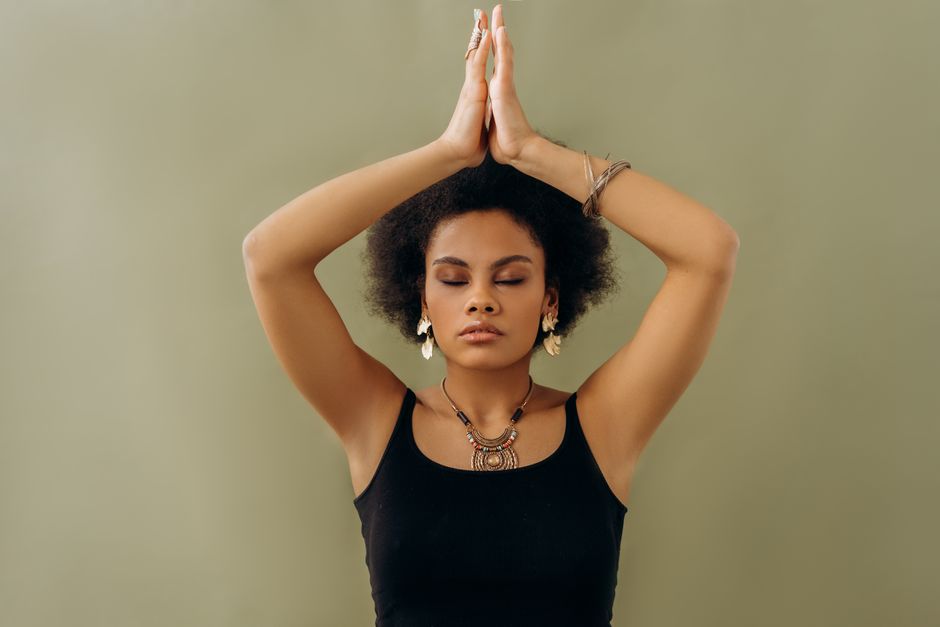
Body image is not a universal experience. The way a person sees their own body — and the body they believe they should have — is shaped by the culture they grew up in, the people around them, and the images they absorb from media. Race and ethnicity influence body image because they shape what a community defines as attractive, healthy, and acceptable, and because different groups face different social pressures about their appearance. These influences are real and documented, but they are not fixed rules that predict how any single person will feel about their body.
How Do Race And Ethnicity Influence Body Image?
Race and ethnicity influence body image through cultural beauty standards, family and community messages, and exposure to mainstream media. Each of these forces can push a person toward or away from the thin, muscular, or otherwise idealized body that dominates a given culture’s idea of attractiveness.
The effect is not one-directional. A person can feel pressure from their own cultural community to look one way and pressure from the wider society to look another. That tension — sometimes called a “double bind” — is a recurring theme in research on body image among racial and ethnic minority groups.
It is also important to separate two things. One is body dissatisfaction, meaning distress about one’s appearance. The other is body image more broadly, which includes how a person thinks and feels about their body and how they believe others see it. A person can have a positive body image in some settings and a negative one in others. Research on race and body image often measures these separately, and the results do not always move together.
What Cultural Beauty Standards Shape Body Image?
Different communities hold different ideals, and those ideals carry real weight. In many Black American communities, a fuller figure for women has historically been viewed as attractive and healthy, and research has found that Black women report less body dissatisfaction and a larger ideal body size on average than white women in the United States. That pattern is one of the more consistent findings in this field.
But the picture is more complex than “one group values thinness, another does not.” Studies also show that Black women are not immune to pressure toward thinness, particularly as they are exposed to mainstream media and predominantly white environments. The protective effect appears to be partial, not absolute.
Among Hispanic and Latino communities in the US, research on body image is mixed. Some studies find ideals that favor curvier figures, while others find strong thin-ideal pressure, especially among younger people and those who are more acculturated to mainstream US culture. The category “Hispanic” also covers many nationalities and traditions, so generalizing is risky.
Asian American communities present another distinct pattern. Some research suggests that thinness ideals can be strong, and that Asian American women report body dissatisfaction at rates comparable to or sometimes higher than white women. The “model minority” stereotype and pressure to appear put-together can add to appearance-related stress. These findings vary by subgroup — East Asian, South Asian, Southeast Asian — and lumping them together can hide important differences.
How Does Media Representation Affect Body Image Across Groups?
Mainstream media has historically presented a narrow range of bodies as beautiful, and that narrow range has been overwhelmingly thin, light-skinned, and often white. When a person rarely sees bodies like their own presented as attractive, the effect on body image can be real.
Research on media exposure and body dissatisfaction is extensive. Studies have found that exposure to thin-ideal media is associated with greater body dissatisfaction across many groups, though the strength of the effect varies. One consistent finding is that the absence of representation can matter as much as the presence of unrealistic images. People who do not see themselves reflected may internalize the message that their body type is not desirable.
The rise of social media has changed this landscape. Platforms now offer more diverse representation than traditional media, but they also amplify comparison. A person can now compare themselves to carefully curated images from within their own community, which can create new pressures that did not exist when the only reference point was a magazine cover.
Here is a point that often gets missed: the effect of media is not uniform. Some research suggests that strong ethnic identity can buffer against mainstream media pressure. People who feel connected to their cultural community and its standards of beauty may be less affected by images that do not reflect those standards. This is a protective factor, not a guarantee.
Does Acculturation Change Body Image?
Acculturation — the process of adopting the norms of a new culture — appears to influence body image. Research has found that as people from one cultural background spend more time in a different dominant culture, their body ideals can shift toward that culture’s standards.
For immigrants and their children, this can create tension. A person may grow up with one set of beauty ideals at home and encounter a different set at school or work. Some studies suggest that greater acculturation to mainstream US culture is associated with increased body dissatisfaction among some groups, though the findings are not consistent across all studies or all groups.
The relationship is not simple. Acculturation is not a one-way street, and many people hold multiple sets of standards at once. Some research indicates that bicultural identity — maintaining connection to one’s heritage culture while also participating in the dominant culture — can be associated with better body image outcomes than either extreme. The evidence here is suggestive rather than definitive.
What Role Does Family And Community Play?
Family and community messages about appearance carry significant weight, sometimes more than media. Comments from parents, relatives, and peers about weight and appearance are associated with body dissatisfaction in children and adolescents across racial and ethnic groups.
The specific content of those messages varies. In some families, concern about weight is expressed as care for health. In others, appearance is tied to respectability or community standing. Research on Black and Latino families has found that family messages about body size can be both protective and critical, sometimes within the same household.
Community norms also matter. A person’s sense of what is “normal” or “acceptable” is shaped by the bodies they see around them every day. When a community’s everyday reality differs from the mainstream ideal, that gap can be a source of stress or a source of resilience, depending on how it is experienced.
Are Eating Disorders And Body Image Concerns The Same Across Groups?
No. The stereotype that eating disorders mainly affect white, affluent women is inaccurate, and it has had real consequences for diagnosis and treatment.
Research has found that eating disorders occur across racial and ethnic groups. Some studies suggest that Black and Hispanic individuals may be less likely to be diagnosed or to receive treatment, in part because of this stereotype and because of differences in how symptoms are recognized by clinicians. That is a gap in care, not a difference in risk.
Body dissatisfaction is also not limited to any one group. Studies have found it in every racial and ethnic group studied, though the specific concerns may differ. For example, some research suggests that Black and Hispanic women may report more concern about specific body parts or overall size, while white and Asian American women may report more concern about thinness. These are group-level patterns, not individual predictions.
One more clarification: body image concerns and clinical eating disorders are not the same thing. Most people with body dissatisfaction do not have an eating disorder. But body dissatisfaction is a risk factor for disordered eating, and it deserves attention regardless of a person’s background.
What Does This Mean For How We Talk About Body Image?
It means that a one-size-fits-all approach to body image does not fit. A program or conversation that assumes thinness is the only concern will miss people whose pressures run in other directions. A clinician who assumes a Black patient is “protected” from body image issues may miss real distress.
It also means that cultural identity can be a source of strength. Research on ethnic identity suggests that a positive connection to one’s cultural community and its standards can support a healthier body image. That is not a reason to dismiss concerns, but it is a reason to take cultural context seriously.
The evidence on race, ethnicity, and body image is growing but still uneven. Many studies rely on small samples or broad categories that hide differences within groups. The safest conclusion is that race and ethnicity shape body image in meaningful ways, that those influences are not uniform, and that individual experience always matters more than group averages.
Frequently Asked Questions
Does race affect body image?
Yes. Race and ethnicity shape cultural beauty standards, family messages, and media exposure, all of which influence how people feel about their bodies. The effect varies widely between and within groups.
Which group has the highest rate of body dissatisfaction?
Research does not identify one group as having the highest rate. Studies find body dissatisfaction across all racial and ethnic groups, with different patterns of concern rather than a single highest group.
Can culture protect against body image problems?
Some research suggests that strong ethnic identity and community standards that value a wider range of body sizes can buffer against mainstream thin-ideal pressure. This protection appears partial, not absolute.
Do eating disorders only affect white women?
No. Eating disorders occur across racial and ethnic groups, though research suggests some groups are less likely to be diagnosed or treated. The stereotype that they mainly affect white women is inaccurate and can delay care.
