
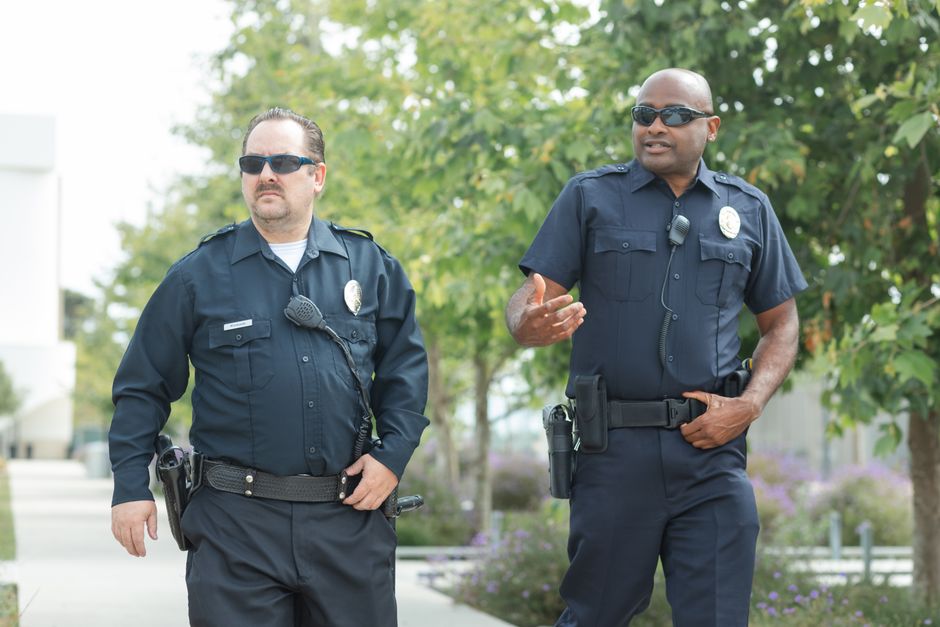
Police body cameras are small recording devices officers wear on their chests or uniforms. They capture video and audio of police interactions with the public. The goal is to create an objective record of what happens during an encounter, which can protect both the officer and the citizen involved.
These cameras are not simple camcorders. They are rugged, purpose-built tools designed for continuous use in demanding environments. Their operation involves a combination of hardware, software, and data management systems that work together from the moment a recording starts to the moment footage is used in court or reviewed by a supervisor.
How Do Police Body Cameras Work Tech Explained
The core function is straightforward: the camera records what it sees and hears. The camera lens sits on the officer’s chest, typically aimed forward. A wide-angle lens captures a broad field of view, which means it records more than what the officer is directly looking at. This helps provide context but can also make objects appear farther away than they are.
The audio component is just as important as the video. A high-quality microphone picks up conversations, commands, and ambient sounds. Some systems use noise reduction to filter out wind or traffic, making the audio clearer. The camera stores this data on an internal solid-state drive, which has no moving parts. This makes it more reliable than a traditional hard drive when the camera is bumped or dropped.
Most modern cameras have a pre-event buffer. This means the camera is constantly recording in a temporary loop, but only saves the footage when the officer activates the record button. This feature can capture the few seconds before the officer presses record, which is often critical context for understanding an incident.
What Triggers the Camera to Start Recording?
Officers typically start recording by pressing a button on the camera, but many systems offer automatic triggers. These can include activating the emergency lights on the patrol car or opening the vehicle door. Some systems integrate with the officer’s Taser. When the Taser is drawn from its holster, it sends a wireless signal to the body camera, starting the recording automatically.
This integration is a significant advancement. It removes the need for the officer to remember to hit record during a sudden, high-stress event. The goal is to capture the entire incident from the moment it begins, not just the part after the officer has had time to manually start the camera.
Policy rules govern when officers must record. Most departments require officers to record all interactions with the public, but there are exceptions. These often include situations where a victim is in distress or where a confidential informant is involved. An officer can end a recording, but the reason for stopping it is usually documented and reviewed.
How Is the Footage Stored and Secured?
Once the officer docks the camera at the station, the data transfers to a secure server. This process is automatic and does not allow the officer to edit or delete the footage. The camera is placed in a docking station, and the video files upload over a secure network connection. This chain of custody is critical for legal proceedings.
The footage is encrypted both during transfer and while at rest on the server. Access is strictly controlled through a permissions system. A patrol officer cannot log in and watch another officer’s footage. Supervisors can review footage, but every access is logged. This creates a complete audit trail that shows who viewed the video and when.
Storage is a major operational challenge for police departments. High-definition video files are large. A single day of recordings from a busy department can generate terabytes of data. Departments must manage this digital evidence carefully, often using cloud storage services or large on-premises servers. Retention policies dictate how long footage is kept. These policies vary by state and department, but footage from serious incidents is often retained for years or until legal proceedings conclude.




Do Body Cameras Reduce Use of Force?
The public often expects body cameras to change police behavior. The logic is simple: people act differently when they know they are being recorded. Studies on this topic have produced mixed results. Some research suggests that cameras reduce the number of complaints filed against officers. Other studies have found no significant effect on the rate of use-of-force incidents.
One large study conducted in Washington, D.C., found that body cameras did not significantly reduce the number of use-of-force incidents or civilian complaints. This finding surprised many people and highlights a critical point: the camera is a tool, not a solution. The presence of a camera does not guarantee a change in behavior.
Some experts argue that cameras are more effective when paired with clear departmental policies. If officers know that a supervisor will review footage and that failure to follow procedure has consequences, the camera becomes more powerful. The evidence suggests that the policy surrounding the camera matters as much as the camera itself.
What Are the Limitations of the Footage?
Body camera footage is often treated as objective truth, but it has limitations. The camera is mounted on the officer’s chest, which means it does not capture the officer’s own point of view. If an officer looks to the side, the camera does not follow that gaze. The footage can miss critical actions that occur outside the camera’s field of view.
The wide-angle lens also distorts perspective. Objects that are close to the camera appear much larger, while objects farther away appear smaller and more distant than they are. This can make it difficult to judge distances or the speed of movement in the footage. A viewer might see a suspect lunging toward an officer, but the actual distance between them may be greater or smaller than it appears.
Low-light performance is another issue. Many cameras have infrared capabilities for night vision, but the quality is often lower than daylight footage. The audio can also be misleading. Wind noise, traffic, or multiple people speaking at once can make it difficult to determine who said what. The footage is a valuable piece of evidence, but it is not a perfect representation of reality.
What Happens to the Footage During an Investigation?
When an incident occurs, the footage becomes a critical piece of evidence. Investigators review it to determine what happened. The footage can corroborate an officer’s account of events or contradict it. It can also provide evidence against a civilian who is accused of a crime.
Footage is often released to the public in high-profile cases. The timing and method of release are governed by state law and departmental policy. Some states require the release of footage within a specific timeframe, while others allow departments to withhold it during an active investigation. Privacy concerns for bystanders and victims are a major consideration in these decisions.
The footage is also used in officer training. Departments review footage to identify best practices and to correct poor performance. This use of video as a training tool is less publicized but is an important part of the technology’s value. It allows officers to see their own interactions from an outside perspective, which can be a powerful learning tool.
Are Body Cameras Always On?
No. Body cameras are not always recording. If they were, a standard shift would generate hours of footage, most of which would be uneventful. The pre-event buffer is always running, but the camera only saves footage when the officer activates it. This design balances the need for evidence with practical concerns about battery life and data storage.
The decision to record is a matter of policy. Most departments require officers to record during any interaction with the public. However, there are gray areas. What about an officer talking to a colleague in the break room? What about responding to a minor noise complaint where no crime is suspected? These situations are usually governed by departmental rules that aim to balance transparency with privacy.
The failure to record has become a major issue in police accountability. When an officer does not activate the camera during a critical incident, the public often questions why. Many departments have policies that require officers to document why they did not record. This documentation is subject to review, and failure to follow policy can result in discipline.
Frequently Asked Questions
How long do police body cameras record?
Battery life and storage capacity vary by model, but most cameras can record for several hours on a single charge. Officers typically charge and upload footage when they return to the station.
Can police body cameras be turned off?
Yes, officers can manually stop a recording. However, departmental policy usually dictates when an officer is allowed to stop recording, and stopping without a valid reason can lead to discipline.
Who can view police body camera footage?
Access is restricted to authorized personnel such as supervisors, investigators, and prosecutors. The public can request footage through legal channels, but release is often governed by state law and privacy considerations.
Is police body camera footage admissible in court?
Yes, the footage is generally admissible as evidence. The court must verify that the footage has not been altered, which is supported by the secure chain of custody and access logs maintained by the department.
