
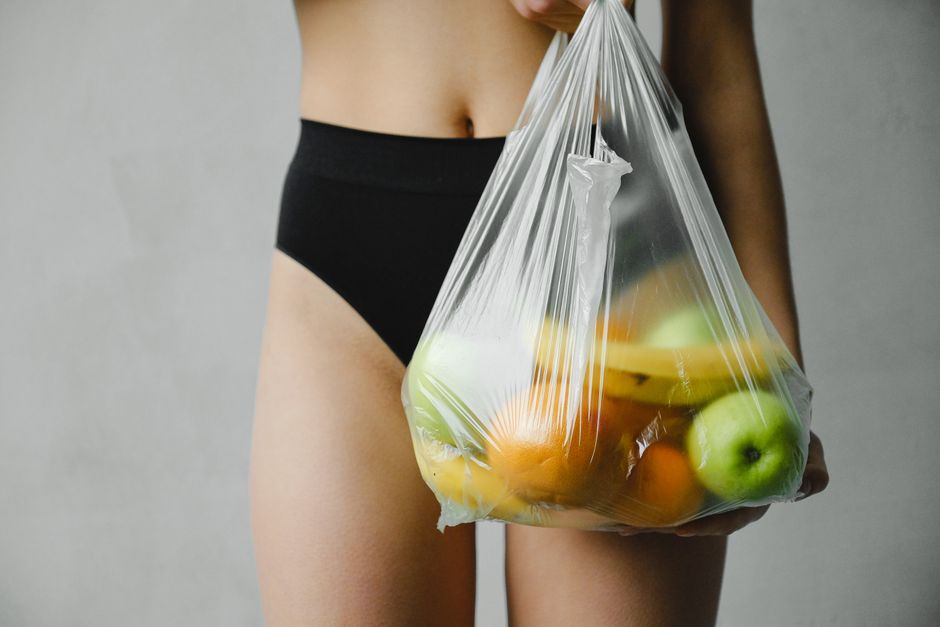
Phthalates are industrial chemicals used to make plastics flexible and durable. They can get into food through contact with plastic packaging, processing equipment, and even through environmental contamination. Research consistently shows that diet is the main source of phthalate exposure for most people, and some phthalates are linked to hormone disruption and reproductive health concerns.
What Exactly Are Phthalates?
Phthalates (pronounced THAL-ates) are a group of chemicals added to plastics to make them soft and bendable. Without phthalates, polyvinyl chloride (PVC) plastic would be rigid and brittle. You find them in food packaging, medical tubing, flooring, shower curtains, and personal care products.
They are not chemically bound to the plastic. That means they can leach out over time, especially when plastic is heated, scratched, or exposed to grease. This is why phthalates end up in food and drinks.
Some phthalates are being phased out due to health concerns. But they are still widely used. Manufacturers have also replaced some with similar chemicals that may act in the body the same way.
How Do Phthalates Get Into Food?
Phthalates enter food through several routes. The most direct is migration from plastic packaging into the food itself. This happens more with fatty foods because phthalates are fat-soluble. Cheese, meat, and cooking oils are common examples.
Food processing equipment is another source. Conveyor belts, tubing, and gaskets in commercial kitchens often contain phthalates. Food touches these surfaces during production, and some of the chemical transfers over.
Environmental contamination also plays a role. Phthalates are released into the air, soil, and water during manufacturing and use. Plants can take them up from contaminated soil. Farm animals can ingest them from feed and water, and the chemicals can accumulate in their fat.
Food is not the only exposure route. House dust is a significant source because phthalates settle into dust from furniture, electronics, and building materials. But when researchers measure total phthalate exposure, food consistently accounts for the largest share.
How Do Phthalates Get Into Food And What Are The Risks?
The risks depend on which phthalate you are talking about and how much exposure you have. The most studied phthalates are those that have been shown to interfere with hormones, particularly testosterone and estrogen signaling.
Di(2-ethylhexyl) phthalate, known as DEHP, is the most widely studied. Research in animals shows that DEHP can disrupt male reproductive development. Some human studies suggest links between higher phthalate exposure and lower sperm quality, though the evidence is not conclusive.
Pregnant women and young children are considered the most vulnerable groups. Fetal development depends on precise hormone signaling, and phthalates can interfere with that process. Some studies have found associations between prenatal phthalate exposure and behavioral issues in children, but these findings are not consistent across all research.
There is no established safe level of phthalate exposure for humans. Regulatory agencies have set limits for individual phthalates based on animal studies, but people are exposed to multiple phthalates at once, and the combined effects are not well understood.





Which Foods Have The Highest Phthalate Levels?
Fatty foods tend to have higher phthalate levels because the chemicals dissolve in fat. Studies have found measurable levels in dairy products, meats, cooking oils, and processed foods. Fast food has been a particular focus of recent research.
One study published in the journal Environmental Health Perspectives found that people who reported eating more fast food had higher levels of phthalate metabolites in their urine. The researchers measured specific breakdown products of phthalates, which is a reliable way to estimate recent exposure.
Fresh, unprocessed foods generally have lower phthalate levels. That does not mean they are phthalate-free. Even fresh produce can pick up phthalates from contaminated soil or water. But the levels tend to be lower than in processed or packaged foods.
Infant formula and baby food deserve special attention. Infants are more vulnerable to hormone disruption, and their diets are limited. Some studies have detected phthalates in infant formula, particularly powdered formula packaged in metal cans with plastic linings.
How Can You Reduce Phthalate Exposure From Food?
You cannot eliminate phthalate exposure entirely. They are everywhere in the modern environment. But you can reduce your exposure with practical steps.
Avoid heating food in plastic containers. Heat increases the rate at which phthalates migrate into food. Transfer food to glass or ceramic before microwaving. This is one of the most effective single steps you can take.
Use glass or stainless steel containers for storing fatty foods. If you use plastic containers, let hot food cool before putting it in them. Replace scratched or worn plastic containers, because scratches increase leaching.
Limit processed and packaged foods. The more steps between a food’s origin and your plate, the more opportunities for phthalate contamination. Cooking from fresh ingredients reduces exposure, though it does not eliminate it.
Wash fruits and vegetables thoroughly. This removes surface contamination from soil and dust. Peeling also helps, though it removes nutrients along with potential contaminants.
Choose fresh meat and cheese over processed versions. Deli meats and pre-shredded cheese have more processing steps and more packaging contact than whole cuts and blocks.
Are Phthalate-Free Products Worth It?
Many products now advertise themselves as phthalate-free. Food storage containers, water bottles, and baby products are the most common categories. These claims are often accurate, but they deserve scrutiny.
Phthalate-free does not mean plastic-free. Many alternatives use other plasticizers that have not been as thoroughly studied. Some of these replacement chemicals, like DINCH and DEHT, are considered less toxic based on current evidence, but long-term data is limited.
Glass and stainless steel are the safest choices for food storage because they do not contain plasticizers at all. They are more expensive and heavier than plastic, but they are also more durable and do not need to be replaced as often.
For baby products, the stakes are higher. Infants are more vulnerable to hormone disruption, and their exposure per pound of body weight is higher than adults. Choosing glass bottles and BPA-free, phthalate-free products is a reasonable precaution, even though the evidence for harm at typical exposure levels is not definitive.
What Do Regulatory Agencies Say?
Regulatory agencies in the United States and Europe have taken different approaches to phthalates. The European Union has banned several phthalates in toys and childcare articles that can be put in the mouth. The United States has similar restrictions on certain phthalates in children’s products.
For food contact materials, the regulations are less strict. The FDA allows certain phthalates in food packaging and processing equipment, though some have been phased out voluntarily by manufacturers. The FDA has not established a specific limit for phthalates in food itself.
In 2023, the Consumer Product Safety Commission voted to ban certain phthalates in children’s toys and childcare products. This was based on a review of the scientific evidence linking these chemicals to reproductive and developmental harm.
It is worth noting that regulatory decisions often lag behind the science. Agencies require strong evidence before restricting a chemical, and that evidence takes years to accumulate. The absence of a ban does not mean the chemical is safe.
Frequently Asked Questions
Are phthalates in food dangerous?
Some phthalates are linked to hormone disruption and reproductive effects, especially with high or prolonged exposure. The risk at typical dietary exposure levels is not fully understood, but reducing exposure is a reasonable precaution.
Does washing food remove phthalates?
Washing removes surface contamination from soil and dust, but phthalates can be absorbed into the food itself. Washing helps, but it cannot remove all phthalates.
Are glass containers safer than plastic for food storage?
Yes, glass does not contain phthalates and does not leach chemicals into food. Glass and stainless steel are the safest options for storing food, especially fatty or hot foods.
Do organic foods have fewer phthalates?
Organic farming restricts synthetic pesticides, but phthalates are environmental contaminants that can affect organic and conventional foods alike. Organic foods may have somewhat lower levels, but they are not phthalate-free.
