
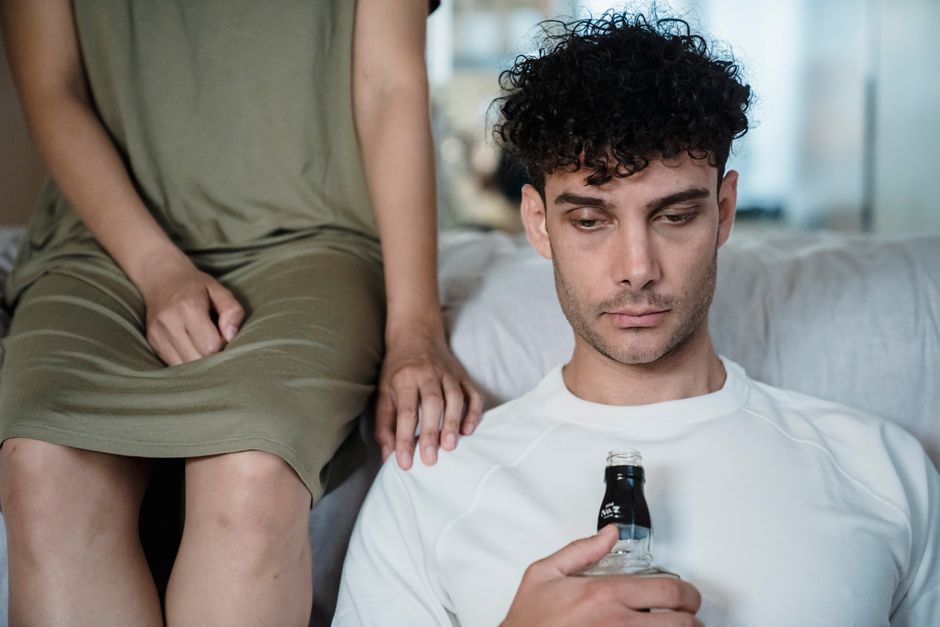
People die from alcohol withdrawal when the body’s nervous system, which has adapted to the constant presence of alcohol, goes into overdrive after a sudden stop. This can lead to severe complications like delirium tremens, uncontrolled seizures, and heart rhythm problems that are fatal without medical treatment. With proper medical care, these deaths are almost entirely preventable.
How do people die from alcohol withdrawal?
Death from alcohol withdrawal happens through a few specific medical emergencies. The most common cause is delirium tremens (DTs), a severe form of withdrawal that causes extreme confusion, rapid heart rate, fever, and dangerously high blood pressure. Another major cause is a seizure that does not stop or happens repeatedly without recovery. Heart problems, including irregular rhythms and sudden cardiac arrest, can also be fatal. In all cases, the underlying problem is the same: the brain and nervous system become overexcited after alcohol is removed.
Alcohol depresses the central nervous system. When someone drinks heavily and regularly, their brain adapts by becoming more excitable—it tries to balance out the depressant effect. When alcohol is suddenly stopped, the brain stays in that hyper-excited state. This overstimulation drives the dangerous symptoms of withdrawal. The risk of death is highest in the first 48 to 72 hours after the last drink, but DTs can appear up to a week later.
What is delirium tremens and why is it deadly?
Delirium tremens is the most severe form of alcohol withdrawal syndrome. It affects about 3 to 5 percent of people going through withdrawal, and without treatment, the death rate can be as high as 35 percent. With proper medical care, that number drops to under 5 percent.
DTs cause severe confusion, hallucinations, fever, and a racing heart. The body’s autonomic nervous system goes into overdrive. Blood pressure rises dangerously, the heart beats too fast to pump blood effectively, and body temperature can climb to dangerous levels. These changes can lead to heart failure, respiratory arrest, or stroke. DTs require immediate hospital care, usually in an intensive care unit, where medications like benzodiazepines can calm the nervous system and prevent complications.
Can alcohol withdrawal cause a seizure?
Yes. Seizures are a common and dangerous complication of alcohol withdrawal. They usually happen within 12 to 48 hours after the last drink. About one in four people who have withdrawal seizures will develop status epilepticus—a seizure lasting more than five minutes or multiple seizures without recovery in between. Status epilepticus is a medical emergency that can cause brain damage or death.
These seizures are usually generalized, meaning they affect the whole body. Unlike epilepsy, withdrawal seizures are caused by the sudden imbalance in brain chemistry. They are not a sign of a lifelong seizure disorder. Treatment involves benzodiazepines to stop the seizure immediately and then a taper to prevent more. Anyone who has a withdrawal seizure should be evaluated in a hospital, even if the seizure ends quickly.





How does alcohol withdrawal affect the heart?
Alcohol withdrawal puts major stress on the heart and blood vessels. The same overactive nervous system that causes shaking and sweating also raises heart rate and blood pressure. In severe cases, this can trigger arrhythmias—abnormal heart rhythms—including atrial fibrillation, ventricular tachycardia, or ventricular fibrillation. Ventricular fibrillation is especially dangerous because it stops the heart from pumping blood effectively. It can cause sudden cardiac arrest and death within minutes if not treated with defibrillation.
People with existing heart disease are at higher risk. Heavy drinking over many years can also weaken the heart muscle (a condition called alcoholic cardiomyopathy), making it less able to handle the stress of withdrawal. For these reasons, anyone with a history of heart problems who is coming off alcohol should do so under medical supervision. Vital signs and heart rhythm are monitored closely during detox.
Who is most at risk for fatal alcohol withdrawal?
Risk factors for severe or fatal withdrawal include drinking heavily every day for weeks or months, having a history of withdrawal seizures or DTs, being older, having other medical conditions like liver disease or heart problems, and having a high blood alcohol concentration at the time of stopping. Malnutrition and electrolyte imbalances, common in heavy drinkers, also increase risk.
The risk of death is not the same for everyone. Someone who drinks moderately and then stops is unlikely to have dangerous withdrawal. The danger comes from long-term, heavy drinking—typically eight to ten drinks per day or more for men, or six or more for women, sustained over time. Even then, only a fraction of people will develop life-threatening symptoms. But because that fraction is unpredictable, medical supervision is recommended for anyone who has been drinking heavily.
How is severe alcohol withdrawal treated?
Treatment for severe withdrawal focuses on calming the nervous system and preventing complications. The standard first-line medications are benzodiazepines—drugs like diazepam (Valium) or lorazepam (Ativan). These replace the depressant effect of alcohol and are given in doses high enough to control symptoms, then slowly tapered off over days. In hospital settings, people with DTs or seizures may need high doses of these medications, sometimes in an intensive care unit.
Supportive care is also critical. This includes intravenous fluids to correct dehydration, electrolyte replacement, vitamins like thiamine to prevent brain damage (Wernicke-Korsakoff syndrome), and monitoring of vital signs. Antipsychotic medications are not used alone because they can lower the seizure threshold. The goal is to keep the person calm and stable through the withdrawal period, which typically lasts three to five days but can be longer.
When should you seek medical help for alcohol withdrawal?
Anyone who has been drinking heavily and wants to stop should talk to a doctor first. Medical help is needed right away if symptoms become severe: confusion, hallucinations, rapid or irregular heartbeat, fever, sweating, or a seizure. If a seizure happens, call 911. Do not wait to see if it stops.
Milder symptoms—like anxiety, tremors, nausea, or trouble sleeping—can sometimes be managed outside a hospital, but it is not safe to assume they will stay mild. Symptoms can escalate quickly. Many hospitals offer detox programs or outpatient medical management with daily check-ins. The safest approach is to stop drinking under medical supervision, where medications and monitoring are available if withdrawal turns dangerous.
Frequently Asked Questions
How long does it take to die from alcohol withdrawal?
Death can occur within hours to days of the last drink if severe complications like seizure or heart arrhythmia happen. Most fatal cases occur between 48 and 72 hours after stopping.
Can alcohol withdrawal kill you even if you are healthy?
Yes, but it is rare. Even people without underlying health problems can develop severe withdrawal if they have been drinking heavily for a long time. The risk is unpredictable.
Is it safe to quit alcohol cold turkey?
No, not if you have been drinking heavily every day. Quitting suddenly can trigger dangerous withdrawal. Medical supervision is recommended to prevent complications.
How many people die from alcohol withdrawal each year?
Exact numbers are hard to determine because many deaths are attributed to other causes. Estimates suggest several hundred to over a thousand deaths per year in the United States, most of which could be prevented with treatment.
