
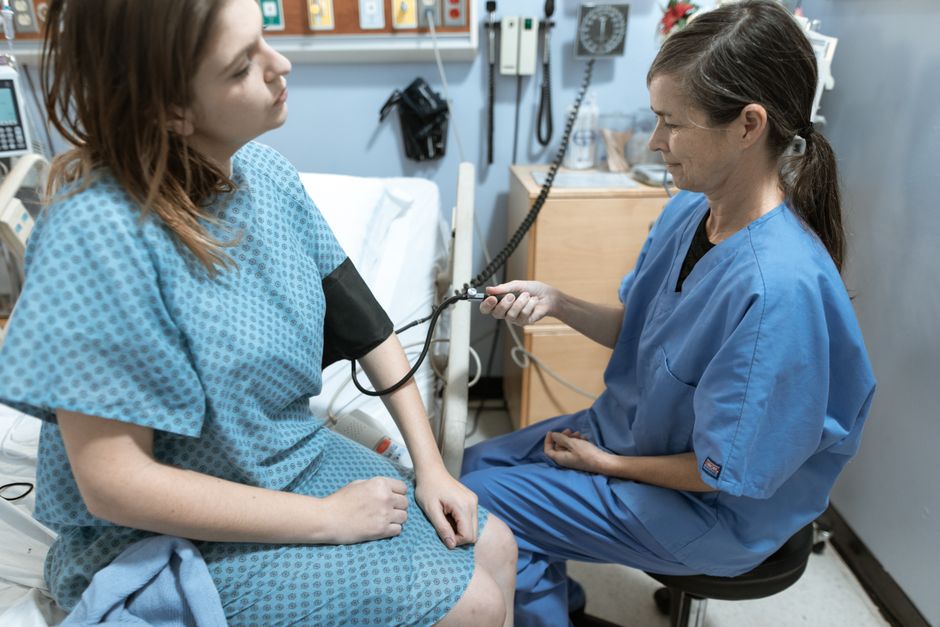
Nurses protect patient confidentiality through a combination of legal obligations, professional ethics, and practical daily habits. They follow the Health Insurance Portability and Accountability Act (HIPAA) in the United States, which sets the national standard for protecting sensitive patient information. Beyond following the law, nurses apply judgment about what to share, with whom, and through which channels. This protection covers spoken conversations, written records, and electronic health data.
What Does Patient Confidentiality Actually Cover?
Patient confidentiality covers all protected health information (PHI). This includes a patient’s name, medical history, test results, insurance details, and any other information that could identify the person receiving care. It also includes conversations about a patient’s condition, even if the patient’s name is not spoken aloud in the moment.
Confidentiality applies in every setting where care happens. Hospital rooms, outpatient clinics, telehealth visits, and even phone messages all fall under the same protection. The rules do not change based on whether the information is written on paper, typed into a computer, or spoken to a colleague.
Nurses are trained to treat all patient information as private unless the patient gives permission to share it. This training begins in nursing school and continues throughout their careers with regular workplace education on privacy practices.
How Do Nurses Ensure Patient Confidentiality in Daily Practice?
Nurses use several practical strategies during a typical shift to keep patient information private. These actions are routine and expected in every healthcare setting.
Speaking quietly is one of the most basic practices. Nurses lower their voices when discussing patient conditions in hallways, at nurses’ stations, or in semi-private rooms. They also avoid using full names loudly in waiting areas or shared spaces.
Computer security is another layer of protection. Nurses log out of computer workstations when they step away, even for a moment. They use unique passwords and never share them with coworkers. Electronic health records track who views a patient’s chart, and unauthorized viewing can lead to disciplinary action.
Physical records require the same care. Paper charts are not left open in public areas. Printed documents with patient information go into shredding bins rather than trash cans. Nurses close patient doors and curtains before discussing sensitive topics or performing procedures.
Conversation boundaries matter as well. Nurses do not discuss one patient’s case with another patient or with family members who are not authorized to receive that information. When a family member asks about a patient, nurses confirm that the patient has approved sharing information with that specific person.
What Are the Legal Rules Nurses Must Follow?
The main legal framework in the United States is HIPAA, enacted in 1996. This law established national standards for protecting health information. It applies to healthcare providers, health plans, and healthcare clearinghouses that transmit health information electronically.
HIPAA gives patients specific rights over their health information. Patients can request copies of their medical records. They can ask for corrections to inaccurate information. They can also request an accounting of who has viewed their records.
The HIPAA Privacy Rule sets limits on how protected health information can be used and disclosed. Generally, nurses can share information with other healthcare providers involved in a patient’s treatment without separate authorization. This is called the “treatment, payment, and operations” exception. Sharing information outside these purposes requires the patient’s written consent.
State laws can add additional protections beyond HIPAA. Some states have stricter rules about mental health records, substance abuse treatment records, or HIV status. Nurses must know both federal and state requirements that apply in their practice location.
Violating HIPAA carries real consequences. Fines can range from hundreds to millions of dollars depending on the severity and whether the violation was intentional. Individual nurses can also face job loss, license suspension, or criminal charges in serious cases.





When Can Nurses Share Patient Information?
There are specific situations where sharing patient information is legally permitted or required. Understanding these exceptions is part of a nurse’s professional responsibility.
Treatment coordination is the most common reason for sharing. When a nurse hands off a patient to the next shift, discusses a case with a physician, or consults with a pharmacist, sharing relevant patient information is necessary and expected. This sharing stays within the care team and is limited to what each person needs to know for their role.
Public health reporting requires disclosure in certain cases. Healthcare providers must report certain communicable diseases to public health authorities. These reporting requirements vary by state and disease.
Legal requirements may compel disclosure. Courts can issue subpoenas for medical records. Nurses may need to report suspected abuse of children, elderly adults, or dependent adults to protective services. In these cases, the legal obligation to report overrides the general duty of confidentiality.
Patient safety emergencies create narrow exceptions. If a patient poses a serious threat to themselves or others, nurses may need to share limited information with those who can intervene. This exception is narrow and typically involves law enforcement or mental health crisis teams.
In all these situations, nurses share the minimum amount of information necessary. They do not share the entire medical record when only a specific piece of information is required.
How Do Nurses Handle Confidentiality with Family Members?
Family involvement in care is common and often helpful. But it creates complex confidentiality questions. A patient’s spouse, adult child, or partner is not automatically entitled to the patient’s health information.
Nurses ask patients who they want involved in their care. Patients can name specific people who are allowed to receive information. This can be documented in the medical record so every member of the care team knows the patient’s wishes.
When a patient is unconscious or unable to communicate, nurses follow facility policies and applicable laws. Generally, nurses can share information with close family members when it is in the patient’s best interest and consistent with what the patient would likely have wanted. This judgment call requires careful consideration in each situation.
Nurses also respect that family dynamics vary. A patient may want full information shared with one family member but not another. The nurse’s duty is to the patient’s expressed wishes, not to assumptions about family roles.
What Are the Biggest Threats to Patient Confidentiality Today?
Technology has created new confidentiality challenges that did not exist a generation ago. Understanding these risks helps patients know what protections exist and what limitations remain.
Cyberattacks on healthcare systems are a growing concern. Hospitals and clinics have been targets of ransomware attacks that lock access to patient records. These attacks can expose large volumes of sensitive data. Healthcare organizations invest heavily in cybersecurity measures, but no system is completely immune to determined attackers.
Personal devices create risk when used carelessly. Texting about patients on personal phones, taking photos of wounds or monitors, or using unsecured messaging apps can all violate confidentiality. Many healthcare organizations restrict or prohibit using personal devices for patient-related communication.
Social media poses a distinct danger. Even posts that do not name a patient can violate confidentiality if the details make the patient identifiable. A photo of a hospital room, a description of an unusual case, or a complaint about a difficult shift could all reveal protected information. Professional nursing organizations and employers have clear policies against sharing any patient information on social media.
Casual conversations outside work remain a risk. Nurses hear dramatic stories during their shifts. Discussing these cases with friends, family, or in public spaces violates confidentiality even when no names are used. The combination of details can identify a patient to someone who knows them.
How Do Nurses Balance Confidentiality with Patient Safety?
Confidentiality and safety sometimes appear to conflict. In practice, nurses manage both by following established protocols and using professional judgment.
Medication reconciliation is a clear example. A nurse needs a complete list of a patient’s medications to prevent dangerous interactions. This requires accessing the patient’s full medication history, which is protected information. The nurse accesses this information through secure systems and uses it only for the purpose of safe medication management.
Consultations with specialists require sharing relevant patient information. The nurse shares what the specialist needs to give an informed opinion. This is protected by the treatment exception under HIPAA, but the nurse still limits the information shared to what is relevant.
When a patient is at risk of harming themselves, confidentiality has limits. Nurses may need to involve mental health professionals, security personnel, or family members to keep the patient safe. These disclosures are guided by facility policies and legal standards that prioritize preventing serious harm.
What Should Patients Do If They Suspect a Confidentiality Breach?
Patients who believe their health information was improperly shared have options. The first step is to raise the concern with the healthcare facility. Most hospitals and clinics have privacy officers who investigate confidentiality complaints.
Patients can also file a complaint with the Office for Civil Rights at the U.S. Department of Health and Human Services. This office enforces HIPAA and investigates complaints about privacy violations. Complaints must generally be filed within 180 days of the suspected violation.
Patients should document what happened, when it happened, and who was involved as best they can. Specific details help investigators determine whether a violation occurred and what corrective action is needed.
Frequently Asked Questions
Can nurses share patient information with other nurses?
Yes, nurses can share patient information with other healthcare providers who are directly involved in that patient’s care. This sharing is limited to what each provider needs to know for treatment purposes.
What happens if a nurse breaks patient confidentiality?
Consequences range from workplace discipline to fines and license revocation depending on the severity of the violation. Intentional breaches or those causing patient harm carry the most serious penalties.
Do nurses need patient permission to discuss cases with doctors?
No, nurses do not need separate permission to discuss a patient with doctors or other providers involved in that patient’s treatment. This sharing is permitted under HIPAA’s treatment exception.
Can nurses tell family members about a patient’s condition?
Nurses can share information with family members only if the patient has approved that sharing. Patients should tell their care team who is authorized to receive their health information.
