
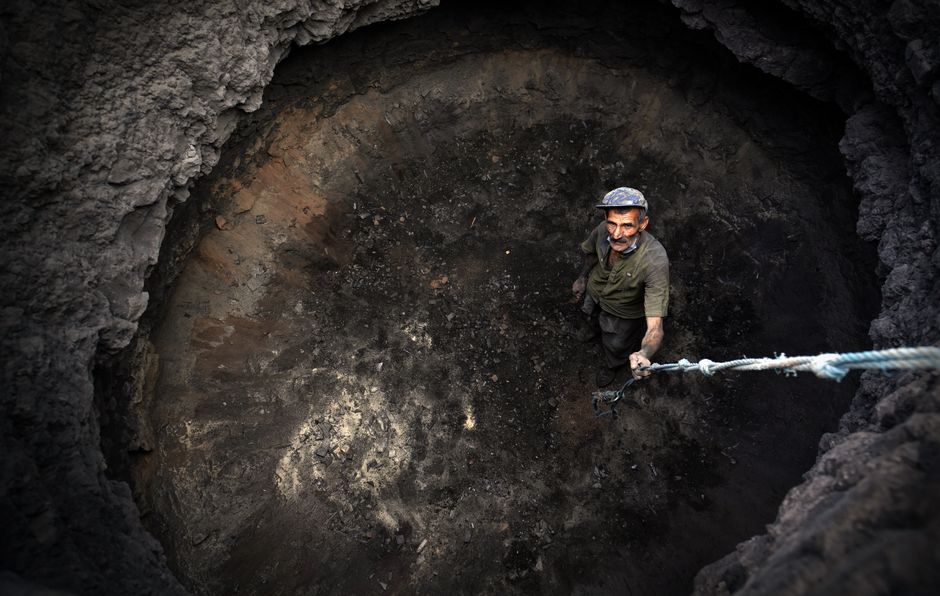
Mines work by removing material from the ground to reach something valuable, or by hiding an explosive device designed to detonate when a person or vehicle triggers it. Pits are open excavations. Tunnels are underground passages. Landmines are weapons, not excavations, despite sharing the name. The three are related only by the word “mine” and by the basic mechanics of digging and containment.
That confusion matters. A reader searching for how mines work could mean a coal shaft, a diamond pit, or a device buried in a field. This article separates all three so the mechanics are clear.
How Do Mines Work Pits Tunnels And Landmines?
A mine removes rock, soil, or minerals from the earth. A pit is a mine dug from the surface down. A tunnel is a mine driven sideways or downward underground. A landmine is an explosive device placed on or just below the ground that detonates when disturbed.
The first two are engineering. The third is a weapon. Keeping them apart is the only way the word “mine” makes sense.
Open-pit mines
An open-pit mine is a large hole dug in steps called benches. Each bench is a flat terrace cut into the wall. Workers and machines move from bench to bench, removing ore and hauling it up a ramp.
Open-pit mining works only when the valuable material sits close enough to the surface that removing the rock above it makes economic sense. That overlying rock is called overburden. The ratio of overburden to ore decides whether a pit is worth digging at all.
This is the non-obvious part: a pit is not just a hole. It is a carefully engineered slope. Rock walls are cut at specific angles calculated to stay stable. Too steep and the wall collapses. Too shallow and you move far more rock than you need.
Tunnels and underground mines
An underground mine follows a seam or vein of material into the earth. A horizontal passage is called an adit. A vertical shaft is a shaft. A sloped passage is a decline. Each exists because the material is too deep to reach economically from the surface.
Underground mines need ventilation, because air underground fills with dust and gases. They need ground support, because unsupported rock fails. They need water management, because groundwater seeps in constantly. Remove any one of those and the tunnel becomes dangerous.
Some mines use both methods. A pit may start at the surface and transition to underground tunnels as the material goes deeper.
Landmines
A landmine is an explosive device designed to detonate when a person or vehicle triggers it. There are two broad types.
- Anti-personnel mines are small devices meant to injure or kill people. Many are designed to detonate under light pressure.
- Anti-vehicle mines are larger and need the weight of a vehicle to trigger them.
Triggering works through pressure, tripwire, tilt, or magnetic sensing, depending on the design. Many anti-personnel mines are built to maim rather than kill, because a wounded person requires more resources to evacuate and treat than a killed one. That is a documented design intent, not a rumor.
Landmines do not distinguish between soldiers and civilians. They remain lethal for decades after a conflict ends. Clearing them is slow, dangerous, and expensive.
How Does an Open-Pit Mine Actually Work?
An open-pit mine works by removing material in layers from the top down. The process follows a fixed sequence.
First, crews clear vegetation and soil. Then drilling and blasting break the hard rock. Heavy equipment loads the broken rock into trucks that haul it up and out. Ore goes to processing. Waste rock goes to a dump.
The pit gets wider and deeper over time. As it deepens, hauling material to the surface costs more energy and money. At some point the cost of digging exceeds the value of what comes out. That point is the economic limit of the pit.
Water is a constant problem. Pits fill with groundwater and rain. Most open-pit mines run pumps continuously to keep the working area dry. When a mine closes, pumping stops, and the pit often fills with water to form a lake.
How Do Underground Tunnels Stay Safe?
Underground tunnels stay open because engineers control three forces: rock pressure, air quality, and water.
Ground support holds the roof and walls in place. This includes rock bolts, steel mesh, shotcrete (sprayed concrete), and timber or steel supports. The method depends on the rock type and the size of the opening.
Ventilation moves fresh air through the workings. Large fans push air down shafts and through passages. This clears dust, supplies oxygen, and dilutes gases that can build up underground. Ventilation is not optional. Without it, air quality falls below safe breathing limits.
Water control uses pumps, drainage channels, and sealed walls to manage groundwater. Water weakens some rock and floods working areas if left uncontrolled.
Modern mines also monitor ground movement with instruments. Small shifts in the rock can warn of a collapse before it happens.
How Do Landmines Detect and Trigger?
Landmines trigger through a sensor connected to a firing mechanism. The type of sensor defines how the mine works.
- Pressure mines fire when enough weight presses on a plate on top. Anti-personnel versions are designed to respond to the weight of a person.
- Tripwire mines fire when a thin wire is pulled or broken.
- Tilt-rod mines fire when a rod sticking up from the device is pushed over.
- Magnetic and seismic mines (mostly anti-vehicle) fire when they detect the metal mass or ground vibration of a vehicle.
Some mines are designed to be difficult to detect. Metal content may be reduced to defeat metal detectors. Some are made largely of plastic. This is one reason clearance is so slow.
Not all explosive hazards in the ground are factory-made mines. Unexploded ordnance — bombs, shells, and grenades that failed to detonate — creates a similar danger and is often found in the same areas.
Why Are Landmines So Hard to Remove?
Landmines are hard to remove because they are small, hidden, and often unrecorded. No reliable map may exist of where they were placed.
Clearance usually relies on manual detection. Trained workers use metal detectors and probes to locate devices, then destroy them in place or remove them. Mechanical clearance machines and trained dogs can help, but neither replaces careful human work.
The scale is the problem. A single mine can deny access to a field, a road, or a water source. Removing it takes time and carries real risk to the people doing the work.
International agreements have banned anti-personnel mines in many countries, and clearance efforts continue worldwide. The danger does not end when a conflict ends. It persists until the ground is cleared.
How Is a Mine Different From a Quarry?
A mine extracts metal ores, coal, or gemstones. A quarry extracts stone, sand, gravel, or slate used for construction. Both are surface excavations, and the terms are sometimes used loosely.
The practical difference is what comes out and how it is processed. Quarried stone is often cut or crushed and used close to where it is dug. Mined ore usually needs processing to separate the valuable mineral from the surrounding rock.
That processing step is why mines are often tied to large facilities. The ore is only useful after the mineral is extracted.
What Should You Do Near a Mine or Suspected Landmine Area?
Stay out of active mine sites and marked hazardous areas. Both carry serious risk that is not always visible.
At an active mine, the dangers include steep drop-offs, heavy machinery, blasting, and unstable ground. These are working industrial sites, not places for public access.
In areas where landmines may be present, the core rule is simple: do not leave marked paths, do not touch unfamiliar objects, and do not enter areas that are not clearly cleared. Warning signs and fences exist for a reason. If you are unsure whether an area is safe, treat it as unsafe and seek local guidance.
If someone is injured by an explosive device, this is a medical emergency. Call emergency services immediately and do not move the person unless there is ongoing danger. Do not attempt to move or disarm any device yourself.
Frequently Asked Questions
What is the difference between a mine and a landmine?
A mine is an excavation that removes rock or minerals from the ground. A landmine is an explosive weapon that detonates when triggered. They share a name but have nothing else in common.
How deep can a mine tunnel go?
Underground mines can reach depths of several kilometers, though the exact depth depends on the material and the economics of the site. Deeper mines face greater challenges with heat, ventilation, and ground pressure.
Can landmines be detected easily?
No. Many are small, buried, and designed to resist metal detectors, which is why clearance relies heavily on careful manual work. Detection is slow and dangerous even with modern equipment.
Why do open-pit mines have stepped walls?
The steps, called benches, keep the rock walls stable and let workers and machines move safely between levels. Cutting a single vertical wall would risk collapse.
