
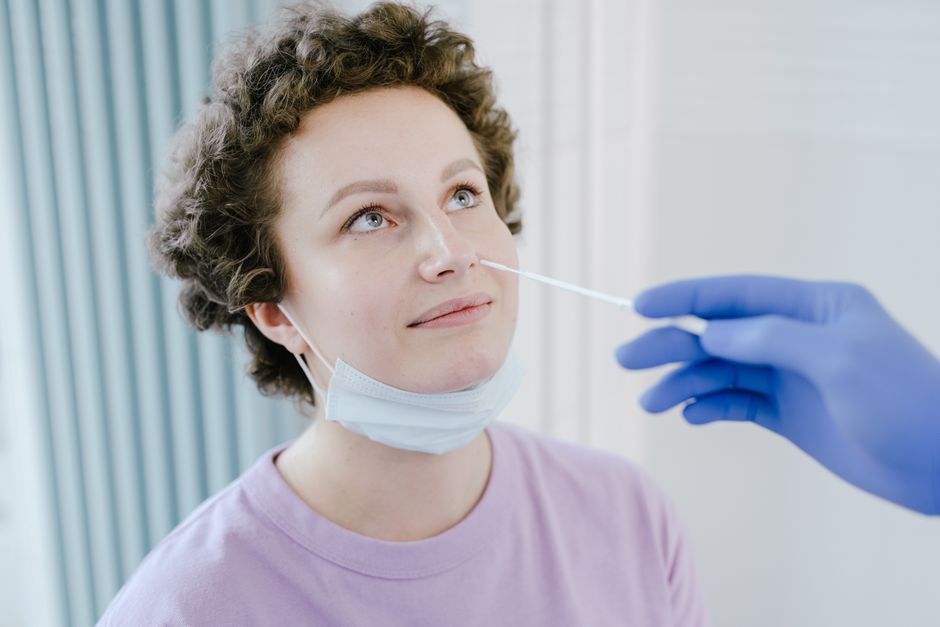
Men get tested for sexually transmitted infections (STIs) through a few straightforward methods. Most commonly, a urine sample can detect chlamydia and gonorrhea. A blood sample checks for HIV, syphilis, and hepatitis. When symptoms suggest an infection in the throat or rectum, a swab of that area is used. Urethral swabs are still occasionally needed but much less common than in the past. Testing is quick, generally painless, and often free or low-cost at public health clinics.
What Are the Most Common STI Tests for Men?
The three main types of STI tests for men are urine tests, blood tests, and swabs. Which test you need depends on your sexual activity and any symptoms you have. Someone who has only had vaginal sex with female partners will typically get a urine test for chlamydia and gonorrhea plus a blood test for HIV and syphilis.
If you have had oral or anal sex, swabs of the throat or rectum may also be needed. Many clinics now offer comprehensive panels that include testing for HIV, syphilis, chlamydia, gonorrhea, and sometimes hepatitis B and C. Guidelines from the U.S. Preventive Services Task Force recommend that sexually active men under 30 be tested for chlamydia and gonorrhea at least once a year. Men over 30 with multiple partners or new partners should also be tested yearly.
How Do Urine Tests Work for STIs in Men?
Urine testing is the most common method for detecting chlamydia and gonorrhea in men. You simply provide a urine sample in a sterile cup at the clinic. The lab then looks for the DNA of the bacteria that cause these infections. This is called a nucleic acid amplification test (NAAT) and is highly accurate.
For the test to be reliable, you should not urinate for at least one to two hours before giving the sample. The first part of the urine stream is most important because bacteria tend to concentrate in the first few drops. A first-catch urine sample is recommended. Urine tests do not detect syphilis, HIV, or hepatitis — those require blood tests.
When Do Men Need a Urethral Swab?
Urethral swabs were once the standard for diagnosing chlamydia and gonorrhea in men. Today, they are used much less often. Most clinics now rely on urine NAATs because they are nearly as accurate and much less uncomfortable.
A urethral swab may still be used if a urine test is inconclusive or if symptoms like discharge are present and the clinic needs a sample for culture or antibiotic sensitivity testing. The swab involves inserting a small cotton or synthetic fiber swab about half an inch into the urethra and rotating it for a few seconds. It is briefly uncomfortable but not typically painful. The procedure takes less than a minute.




What About Blood Tests for STIs?
Blood tests for men are used to diagnose HIV, syphilis, and hepatitis B and C. For HIV, the most common test is an antigen/antibody test that can detect infection within 18 to 45 days after exposure. Rapid HIV tests provide results in about 20 minutes using a finger prick. Syphilis is detected through a blood test that looks for antibodies the body creates against the bacteria.
For hepatitis B and C, blood tests check for specific antigens or antibodies. These infections can become chronic and cause liver damage, so testing is important for anyone at risk. Men who have sex with men and people who inject drugs should be tested at least once. A single blood draw can check for all these infections at the same time.
How Are Throat and Rectal Swabs Done?
Throat and rectal swabs are used to check for chlamydia and gonorrhea when a man has had oral or anal sex. These infections can exist in the throat or rectum without causing symptoms, and a urine test will not detect them there.
A throat swab involves rubbing a swab against the back of the throat and tonsils for a few seconds. It is similar to a strep test. A rectal swab involves inserting a swab about one inch into the anus and rotating it for 10 to 15 seconds. The swab should be inserted without force. Both are quick and cause only minor temporary discomfort. These swabs are analyzed using the same NAAT technology as urine tests.
How Long Do STI Test Results Take?
Results depend on the type of test and the lab. Rapid blood tests for HIV can give results in 20 to 30 minutes. Chlamydia and gonorrhea urine tests and swabs usually take one to three days. Syphilis blood test results are often available within one to two days. Some clinics have point-of-care tests that can give results for multiple infections during the same visit. Public health clinics and online services may have longer turnaround times.
If you test positive for something like chlamydia or gonorrhea, you should start treatment as soon as possible. Treatment is typically a single dose of antibiotics or a week-long course. Your partner should also be treated to prevent reinfection. For HIV, a positive result requires confirmatory testing before a diagnosis is made. That process can take an additional one to two days.
Can You Test for STIs at Home?
Home STI test kits are available over-the-counter and online. They allow you to collect your own sample — urine, blood (from a finger prick), or a swab — and mail it to a lab. Most kits test for chlamydia, gonorrhea, HIV, syphilis, and sometimes hepatitis. Results are usually available online within a few days of the lab receiving your sample.
The accuracy of home tests depends on the specific brand and whether the sample is collected correctly. Some home tests are FDA-approved and use the same laboratory methods as clinic tests. Others are not regulated. If you use a home test, choose one that is certified by the Clinical Laboratory Improvement Amendments (CLIA). A positive result from a home test should always be confirmed with a follow-up test at a clinic. Home tests are a good option for people who are reluctant to visit a clinic, but they do not provide the immediate counseling or treatment that a clinic visit does.
Frequently Asked Questions
Do I need to fast before an STI test?
No, you do not need to fast for urine or blood STI tests.
Can a urine test detect all STIs in men?
No, a urine test only detects chlamydia and gonorrhea. HIV, syphilis, and hepatitis require a blood test.
Is it painful to get a urethral swab?
It is briefly uncomfortable but not typically painful. Most men describe it as a mild stinging sensation that goes away in seconds.
How accurate are home STI tests?
Home tests that use certified labs are highly accurate for the infections they test, but you must follow collection instructions carefully. Positive results require clinic-based confirmation.
