
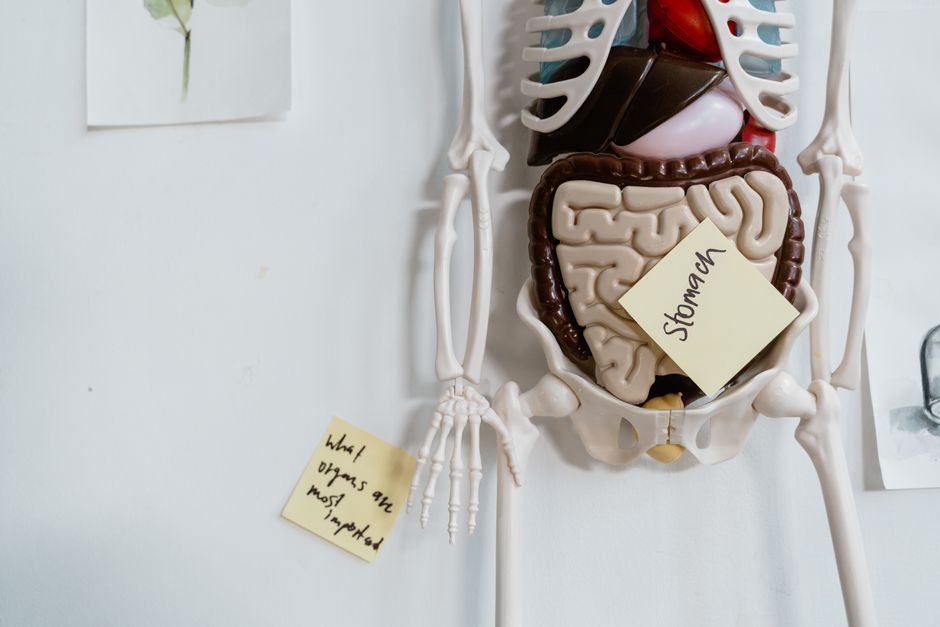
Digestion is not one single event. It is a two-part process working in sequence. Mechanical digestion breaks food into smaller pieces. Chemical digestion breaks those pieces into molecules your body can absorb. They work together from the first bite to the final absorption in your intestines.
What Is Mechanical Digestion?
Mechanical digestion is the physical breakdown of food. Your teeth chew and grind food into smaller pieces. Your stomach churns and mixes that food into a semi-liquid mass. These actions do not change the chemical structure of the food. They simply make the surface area larger.
Larger surface area matters. Chemical digestion happens on the surface of food particles. Smaller particles mean more surface area for enzymes to work on. That makes chemical digestion faster and more complete.
Mechanical digestion starts in your mouth. Chewing is the first step. It breaks food into pieces small enough to swallow safely. The tongue helps move food around so teeth can work on all sides. Saliva moistens the food so it slides down the esophagus easily.
The stomach continues mechanical digestion. Three layers of smooth muscle contract in waves. This churning action mixes food with gastric juices. It also crushes food into even smaller particles. The result is a thick liquid called chyme.
Mechanical digestion does not stop there. The small intestine also uses muscle contractions. These movements mix chyme with digestive juices. They also push the mixture along the digestive tract. This process is called segmentation and peristalsis.
What Is Chemical Digestion?
Chemical digestion uses enzymes and acids to break down food at the molecular level. It converts large molecules into smaller ones. Proteins become amino acids. Fats become fatty acids and glycerol. Carbohydrates become simple sugars. These smaller molecules can pass through the intestinal wall into your bloodstream.
Chemical digestion begins in the mouth. Saliva contains an enzyme called salivary amylase. This enzyme starts breaking down starch into simpler sugars. The process is brief because food does not stay in the mouth long. But it is an important start.
The stomach is the main site for protein digestion. Gastric juice contains hydrochloric acid and an enzyme called pepsin. The acid creates the right environment for pepsin to work. It also kills many bacteria that enter with food.
The small intestine is where most chemical digestion happens. The pancreas releases enzymes into the small intestine. These enzymes break down proteins, fats, and carbohydrates. The liver produces bile, which is stored in the gallbladder. Bile does not digest fat directly. It breaks fat into smaller droplets so enzymes can work on them more efficiently.
How Do Mechanical and Chemical Digestion Work Together?
Mechanical and chemical digestion work together in every stage of the digestive process. One cannot fully succeed without the other. The physical breakdown of food prepares it for chemical breakdown. Chemical breakdown completes what physical breakdown started.
Consider a piece of steak. Chewing tears the meat into smaller pieces. This is mechanical digestion. Saliva begins breaking down some components. This is chemical digestion. In the stomach, churning muscles continue the physical work. Gastric acid and pepsin continue the chemical work.
The partnership becomes even more important in the small intestine. Bile from the gallbladder acts as a bridge between the two processes. Bile physically separates fat into small droplets. This is a mechanical action even though bile is a chemical substance. Once fat is in small droplets, pancreatic enzymes can chemically digest it.
This coordination is not optional. If food is not chewed well, larger particles reach the stomach. The stomach works harder but cannot fully compensate. Some research suggests that poor chewing can lead to incomplete digestion and discomfort. The digestive system is efficient but it works best when both processes are functioning fully.
Enzymes are specific. Each enzyme targets one type of molecule. But enzymes can only reach molecules on the surface of food. Mechanical digestion exposes more surface area. This allows more enzymes to work simultaneously. The result is faster, more complete breakdown of nutrients.





Why Does Chewing Matter More Than You Think
Chewing is the most controllable part of digestion. You decide how thoroughly you chew. Most people chew less than they should. Eating quickly and swallowing large pieces puts extra work on the stomach.
Chewing thoroughly has real benefits. It increases the surface area of food. It mixes food with saliva more completely. Saliva not only starts starch digestion but also lubricates food for swallowing. Thorough chewing also gives your body more time to signal fullness. Some studies suggest that eating slowly and chewing well can help with portion control.
There is no universal rule for how many times you should chew each bite. The right amount varies by food type. A piece of bread needs less chewing than a piece of nuts or meat. A practical guideline is to chew until the food is soft and easy to swallow. The goal is consistency, not a specific number.
Dental health affects digestion too. Missing teeth or poorly fitting dentures reduce chewing efficiency. This can lead to larger food particles entering the stomach. If chewing is difficult, choosing softer foods can help. Cooking vegetables until tender is one example. This does not replace chewing but it reduces the mechanical work needed.
What Happens When the Partnership Breaks Down
Digestive problems often come from disruption in either mechanical or chemical digestion. Acid reflux is one example. It occurs when stomach acid moves backward into the esophagus. The esophagus is not protected against acid. This causes burning and discomfort.
Enzyme deficiencies are another example. The pancreas can fail to produce enough digestive enzymes. This can happen in conditions like chronic pancreatitis. Without enough enzymes, chemical digestion is incomplete. Food passes through the intestines undigested. This can cause bloating, gas, and nutrient deficiencies.
Gallbladder removal affects fat digestion. The gallbladder stores bile. Without it, bile drips continuously into the intestine rather than being released in bursts. Many people manage fine after gallbladder removal. But some have trouble digesting large fatty meals. Smaller, more frequent meals often help.
Incomplete digestion can also affect nutrient absorption. If food is not fully broken down, your body cannot absorb all the nutrients. This is especially concerning for older adults. Stomach acid production often decreases with age. This can reduce protein and vitamin B12 absorption. Some clinicians recommend monitoring for deficiencies in older patients.
How to Support Both Types of Digestion
You can support mechanical digestion by chewing thoroughly and eating at a relaxed pace. Sit down for meals. Avoid eating while distracted or rushing. Give your mouth and stomach the time they need to do their work.
You can support chemical digestion by maintaining a healthy digestive system. Stay hydrated. Water helps dissolve nutrients and supports the movement of food through the intestines. Fiber supports healthy bowel function. Regular physical activity also promotes healthy digestion.
Some habits interfere with digestion. Smoking reduces stomach acid production. Excessive alcohol can damage the stomach lining and pancreas. Taking certain medications long-term, such as proton pump inhibitors, can reduce stomach acid. This is appropriate when medically indicated, but discuss long-term use with your doctor.
There is no evidence that “digestive enzyme supplements” improve digestion in healthy people. Your body produces the enzymes it needs. If you have a diagnosed enzyme deficiency, your doctor will prescribe specific enzyme replacement therapy. Over-the-counter supplements are not regulated like medications and have not been proven to help healthy individuals.
When to See a Doctor
Occasional digestive discomfort is normal. But some symptoms warrant medical attention. Persistent abdominal pain, unexplained weight loss, or blood in the stool should always be evaluated. Chronic diarrhea or constipation that lasts more than a few weeks also deserves attention.
Difficulty swallowing is another reason to seek care. If food feels stuck in your throat or chest, do not ignore it. This can be a sign of an esophageal problem. Sudden changes in bowel habits are also worth discussing with a doctor.
Digestion is a complex process that depends on many organs working together. When something goes wrong, it can affect your overall health. Early evaluation leads to better outcomes for most digestive conditions.
Frequently Asked Questions
What is the difference between mechanical and chemical digestion?
Mechanical digestion physically breaks food into smaller pieces without changing its chemical structure. Chemical digestion uses enzymes and acids to break food down into molecules the body can absorb.
Where does mechanical digestion occur?
Mechanical digestion begins in the mouth with chewing and continues in the stomach through churning muscle contractions. The small intestine also mixes food through muscle movements.
Where does chemical digestion begin?
Chemical digestion begins in the mouth when saliva starts breaking down starch. Most chemical digestion happens in the stomach and small intestine.
Can digestion work without chewing?
Digestion can proceed without chewing, but it is less efficient. Larger food particles take longer to break down and may cause discomfort or incomplete nutrient absorption.
