
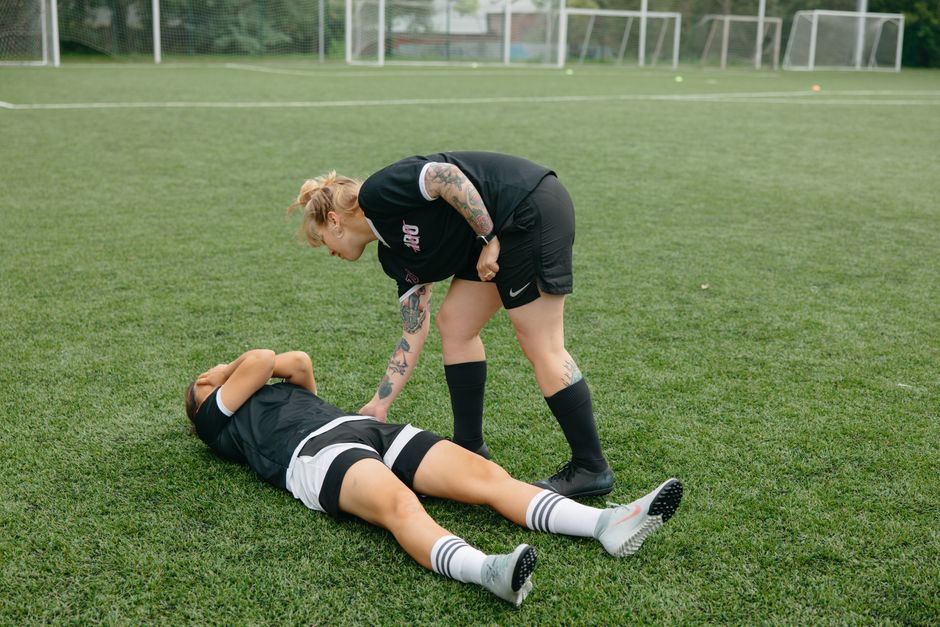
Injuries do more than stop an athlete from playing. They can trigger real mental health challenges like depression, anxiety, and identity loss. The psychological impact often begins the moment an athlete hears the diagnosis and can last long after the physical wound heals.
How Do Injuries Affect Athletes Mental Health?
Injury forces an abrupt stop to training, competition, and the routine that structures an athlete’s life. This sudden loss is linked to higher rates of depression and anxiety compared to uninjured athletes. The emotional response is not a sign of weakness—it is a predictable reaction to losing something central to your identity.
Research consistently shows that athletes face a unique psychological burden during recovery. They lose the endorphin release from exercise, the social support of teammates, and the sense of purpose that sport provides. For many, sport is not just what they do—it is who they are.
What Mental Health Conditions Are Linked to Sports Injuries?
Depression and anxiety are the most common mental health conditions reported after sports injuries. Studies have found that injured athletes score higher on depression scales than their uninjured peers. The severity of the injury often matters less than how the athlete perceives it.
Some athletes also develop disordered eating during recovery, especially when they cannot train but maintain strict nutritional habits. Others experience sleep disturbances, irritability, and social withdrawal. In more severe cases, especially with career-ending injuries, athletes may face a genuine grief process similar to losing a loved one.
Post-traumatic stress can occur after particularly traumatic injuries, especially those involving witnessed bone breaks or catastrophic events on the field. Flashbacks, avoidance of sport settings, and hypervigilance are signs that an athlete may need professional support beyond standard sports medicine care.
What Psychological Stages Do Injured Athletes Go Through?
Many injured athletes move through emotional stages that resemble grief. Denial often comes first—the athlete believes the injury is minor and they will return quickly. Anger follows when reality sets in. Bargaining, depression, and eventual acceptance round out the common sequence.
Not every athlete follows this exact order. Some skip stages entirely. Others cycle back through anger or denial multiple times during a long recovery. The process is not linear, and that is normal.
Athletes who do well psychologically tend to share certain traits. They maintain contact with teammates, set small daily goals, and find other ways to feel competent. Those who struggle often isolate themselves and define their entire worth through sport performance.





Why Do Athletes Hide Mental Health Struggles After Injury?
Sports culture has historically rewarded toughness and punished vulnerability. Many athletes grow up hearing that pain is temporary and quitting is permanent. This mindset helps them push through difficult training sessions, but it works against them when they need psychological help.
Fear of being benched or losing their starting position keeps many athletes silent. They worry that admitting to depression or anxiety will make coaches see them as damaged or unreliable. This fear is not baseless—some team cultures still treat mental health struggles as a competitive liability.
Team physicians and athletic trainers are often the first to notice emotional distress, but they may lack training in mental health screening. Athletes themselves frequently lack the vocabulary to describe what they are feeling as a legitimate medical issue rather than a personal failing.
How Can Injured Athletes Protect Their Mental Health?
Staying connected to the team is one of the most protective factors during injury recovery. Attending practices, even without participating, maintains social bonds and a sense of belonging. Many athletes report that being around teammates helps them feel less invisible during their time away from play.
Setting non-sport goals gives the brain something to work toward. Physical therapy milestones, academic goals, or learning a new skill can provide the same sense of progress that training once offered. The goal is to build a life that includes sport but does not depend on it entirely.
Maintaining a routine matters. Waking up at the same time, eating regular meals, and keeping a structured day prevents the drift into inactivity that fuels depression. Even light movement, when cleared by a medical professional, can support mood during recovery.
Talking to a licensed mental health professional is not a last resort—it is a smart early step. Cognitive behavioral therapy has shown particular promise in helping athletes reframe unhelpful thoughts about their injury and recovery timeline. Sports psychologists can also teach practical skills like visualization and relaxation techniques that support both mental and physical healing.
When Should an Injured Athlete Seek Professional Help?
Some emotional distress after injury is expected and will resolve as recovery progresses. But certain signs point to a need for professional support. If an athlete has trouble sleeping most nights, loses interest in activities they used to enjoy, or feels hopeless about the future for more than two weeks, it is time to seek help.
Withdrawal from teammates and family, increased irritability, or using alcohol or drugs to cope are additional warning signs. Any thoughts of self-harm or suicide require immediate professional attention. The National Suicide Prevention Lifeline can be reached by calling or texting 988 in the United States.
Primary care physicians can screen for depression and anxiety during routine follow-up visits. Many sports medicine clinics now include mental health screening as a standard part of injury care, but not all do. Athletes and their families should ask directly about psychological support options rather than waiting for someone to offer them.
What Role Do Coaches and Trainers Play in Athlete Mental Health?
Coaches set the emotional tone for how injuries are handled within a team. A coach who normalizes the psychological struggle of injury makes it easier for athletes to seek help. One who dismisses mental health concerns as excuses creates an environment where athletes suffer in silence.
Trainers and team physicians are well positioned to notice early signs of psychological distress because they see injured athletes regularly. Simple screening questions about sleep, mood, and social connection can identify athletes who need additional support. Some professional organizations now recommend routine mental health screening during injury rehabilitation.
Parents of young athletes should watch for changes in behavior after an injury. A teenager who stops talking about their sport entirely, avoids team events, or shows sudden drops in academic performance may be struggling emotionally. Young athletes are especially vulnerable because their identity is still forming and sport may be their primary source of self-esteem.
Does Returning to Play Resolve Mental Health Issues?
Returning to sport does not automatically erase the psychological impact of an injury. Some athletes feel anxiety about reinjury that persists long after they are physically cleared to play. Others struggle with reduced performance confidence and fear that they are no longer as capable as they were before.
Fear of reinjury is one of the most common psychological barriers to a full return to sport. It affects athletes at every level, from weekend runners to professional competitors. This fear is not purely mental—it can cause physical changes like muscle tension and altered movement patterns that actually increase the risk of a new injury.
A structured return-to-play plan that includes psychological preparation is more effective than focusing on physical readiness alone. Gradual exposure to sport-specific movements, combined with mental rehearsal, helps rebuild confidence alongside physical strength. Athletes who rush their return to prove their toughness often set themselves back both physically and mentally.
Frequently Asked Questions
How long do mental health effects last after a sports injury?
There is no fixed timeline, but many athletes feel emotional effects for several months after an injury. Recovery duration depends on injury severity, available support, and the athlete’s personal coping style.
Can mental health struggles slow down physical recovery from injury?
Yes. Depression and high stress can interfere with sleep, motivation, and adherence to rehabilitation programs. Athletes who are mentally struggling often complete fewer physical therapy sessions and recover more slowly.
What should I say to an injured athlete who seems depressed?
Let them know you see their struggle and that it makes sense. Ask specific questions about how they are doing rather than offering generic encouragement, and encourage them to speak with a professional if symptoms last more than two weeks.
Are young athletes more affected by injury than adults?
Young athletes may be more vulnerable because sport often forms a large part of their identity and social life. Missing school sports can mean losing their main friend group, which compounds the emotional impact of the injury itself.
