
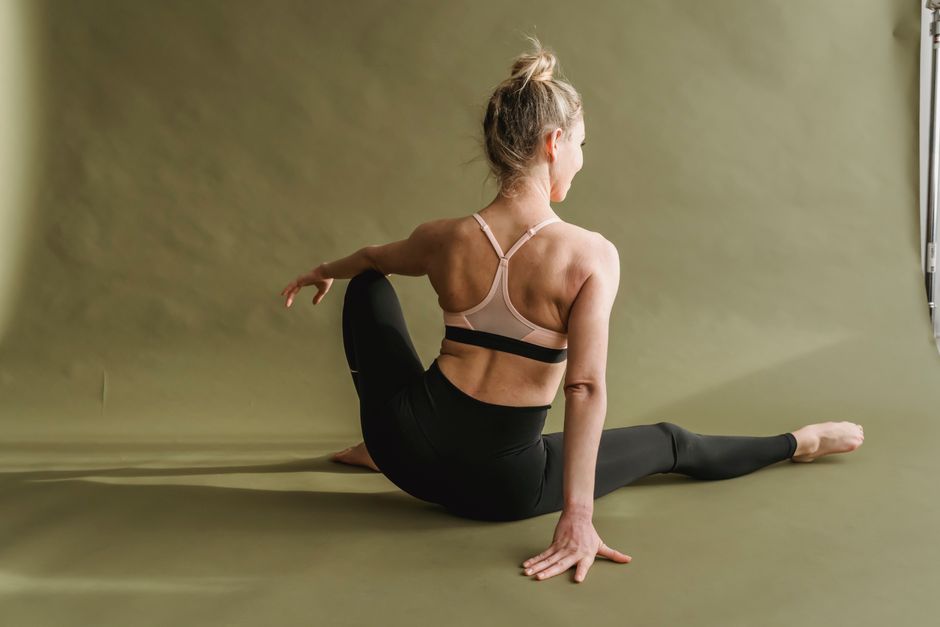
Back pain is one of the most common reasons people miss work and visit their doctor. Stretching is often the first thing people try when their back hurts, and for good reason. Gentle stretching can ease muscle tension and improve mobility, but not all stretches are safe for every type of back pain. The key is to start gently and avoid any movement that increases pain. Stretching your back can help relieve pain caused by muscle tightness, but it is not a cure for structural problems like herniated discs or arthritis, so you need to know what kind of pain you have before you begin.
What Causes Back Pain in the First Place?
Your back is a complex structure of bones, joints, ligaments, and muscles. Pain can come from any of these parts. The most common cause of acute back pain is a muscle strain or ligament sprain. This often happens after lifting something heavy, a sudden awkward movement, or poor posture over time.
Other causes include degenerative disc disease, spinal stenosis, arthritis, and herniated discs. These conditions involve the spine itself and usually require different treatment than a simple muscle strain. Knowing the source of your pain matters because stretching a strained muscle is helpful, but stretching when you have a serious structural issue could make things worse. If your pain travels down your leg, causes numbness or weakness, or came on after a fall or injury, see a doctor before stretching.
How Do I Stretch My Back For Back Pain Relief?
Start with the simplest stretches that put the least stress on your spine. The goal is to relax tight muscles and increase blood flow, not to force your body into extreme positions. Hold each stretch for about 20 to 30 seconds and breathe normally. Never bounce. Bouncing can cause small tears in muscles and make inflammation worse.
Do not stretch into pain. A mild pulling sensation is normal, but sharp pain, numbness, or tingling means stop. If you have had back pain for more than a few weeks, or if the pain is severe, check with a healthcare provider before starting any stretching program. Some conditions, like a herniated disc, require specific movements and prohibit others.
Safe Stretches for Lower Back Pain
These stretches are generally safe for common muscle-related back pain. They are best done on a firm surface like a yoga mat on the floor. Warm muscles stretch more easily, so consider taking a warm shower first or doing five minutes of light walking before you start.
Knee-to-Chest Stretch: Lie on your back with both knees bent and feet flat on the floor. Gently pull one knee toward your chest, keeping the other foot flat. Hold for 20 to 30 seconds, then switch sides. This stretch targets the lower back and gluteal muscles.
Child’s Pose: Start on your hands and knees. Sit back toward your heels while reaching your arms forward. Your forehead can rest on the floor. This gently stretches the entire back and is a resting position, so you can hold it longer, up to a minute.
Cat-Cow Stretch: Start on your hands and knees with a neutral spine. Inhale and let your belly drop toward the floor while lifting your head and tailbone. Exhale and round your back upward like a cat. Move slowly with your breath. This improves spinal mobility and relieves tension in the mid and lower back.
Pelvic Tilt: Lie on your back with knees bent. Flatten your lower back against the floor by tightening your abdominal muscles. Hold for five seconds, then relax. Repeat 10 times. This strengthens the core muscles that support your spine and can reduce strain on the lower back.





Stretches for Upper Back and Neck Pain
Upper back pain often comes from posture, especially sitting at a desk for long hours. The muscles between your shoulder blades and along your neck can become tight and fatigued. Stretching these areas can relieve tension headaches and stiffness.
Chin Tucks: Sit or stand tall. Gently pull your chin straight back as if making a double chin. Hold for three to five seconds, then relax. Repeat 10 times. This strengthens the deep neck flexors and improves posture.
Upper Trapezius Stretch: Sit tall. Place one hand on the opposite side of your head and gently guide your ear toward your shoulder. Hold for 20 to 30 seconds, then switch sides. You should feel a stretch along the side of your neck, not pain in the shoulder joint.
Shoulder Blade Squeeze: Sit or stand with arms at your sides. Squeeze your shoulder blades together as if holding a pencil between them. Hold for five seconds, then release. Repeat 10 times. This strengthens the muscles that counteract slouching.
When Stretching Is Not Enough
Stretching addresses muscle tension, but it does not fix weak muscles. Most back pain involves both tightness and weakness. Muscles that support the spine, like the core and glutes, need strengthening to prevent future episodes. A complete approach includes stretching, strengthening, and aerobic exercise.
Walking, swimming, and cycling are excellent low-impact options. They improve blood flow, reduce stiffness, and help maintain a healthy weight, which reduces stress on the spine. Some research suggests that staying active is more effective for back pain than bed rest. Bed rest beyond a day or two can actually make back pain worse by causing muscles to weaken.
Heat therapy can help before stretching. A heating pad or warm shower relaxes tight muscles and increases tissue elasticity. Cold therapy, like an ice pack, is better for the first 48 hours after an acute injury because it reduces inflammation. Use either for 15 to 20 minutes at a time.
What to Avoid When Your Back Hurts
Some stretches are risky for people with back pain. Avoid toe touches, especially when standing. This position puts a lot of pressure on the spinal discs and can worsen a herniated disc. Full sit-ups are also problematic because they compress the spine and strain the lower back.
Twisting stretches can be dangerous if you have a disc problem. Twisting compresses the discs and can push them against nerves. If you have osteoporosis, avoid any flexion or bending forward stretches because they increase the risk of vertebral fractures. Know your diagnosis before attempting these movements.
Never stretch through severe pain. Pain is a signal that something is wrong. If a stretch causes pain that lasts more than a few minutes after you stop, do not repeat it. If your pain gets worse over several days despite gentle stretching, seek medical advice.
How Long Does It Take to Feel Better?
Acute muscle strain usually improves within a few days to two weeks with gentle stretching and activity modification. Chronic back pain, defined as pain lasting more than 12 weeks, requires a more comprehensive approach. Stretching alone is rarely enough for chronic pain.
Consistency matters more than intensity. Stretching daily for 10 minutes is more effective than stretching for an hour once a week. Your body adapts to regular movement patterns. Over time, regular stretching can improve flexibility, reduce muscle tension, and decrease the frequency of pain episodes.
If you have not noticed any improvement after two weeks of daily stretching, that is a sign to see a healthcare provider. You may need physical therapy, imaging, or a different treatment approach. Physical therapists can design a personalized stretching and strengthening program based on your specific condition and movement limitations.
When to See a Doctor Right Away
Most back pain resolves on its own, but some symptoms require immediate medical attention. Seek emergency care if back pain comes with loss of bowel or bladder control, numbness in the groin area, or weakness in both legs. These can be signs of cauda equina syndrome, a rare but serious condition requiring urgent surgery.
See a doctor promptly if your pain follows a fall or injury, if it is accompanied by fever, or if you have unexplained weight loss. These symptoms can indicate a fracture, infection, or other serious condition. If you have a history of cancer or osteoporosis, any new back pain deserves a medical evaluation.
Frequently Asked Questions
How long should I hold a back stretch?
Hold each stretch for 20 to 30 seconds without bouncing. Repeat each stretch two to three times if it feels comfortable.
Can stretching make back pain worse?
Yes, stretching can make back pain worse if you have a structural problem like a herniated disc or if you push into sharp pain. Stop any stretch that causes sharp, shooting, or numbing pain.
Should I stretch a strained back muscle?
Yes, gentle stretching after the first 48 hours can help a strained muscle heal by promoting blood flow and reducing stiffness. Avoid aggressive stretching during the first two days of acute pain.
Is it better to rest or stretch a sore back?
Light activity and gentle stretching are generally better than complete bed rest for most back pain. Bed rest beyond one to two days can weaken muscles and slow recovery.
