
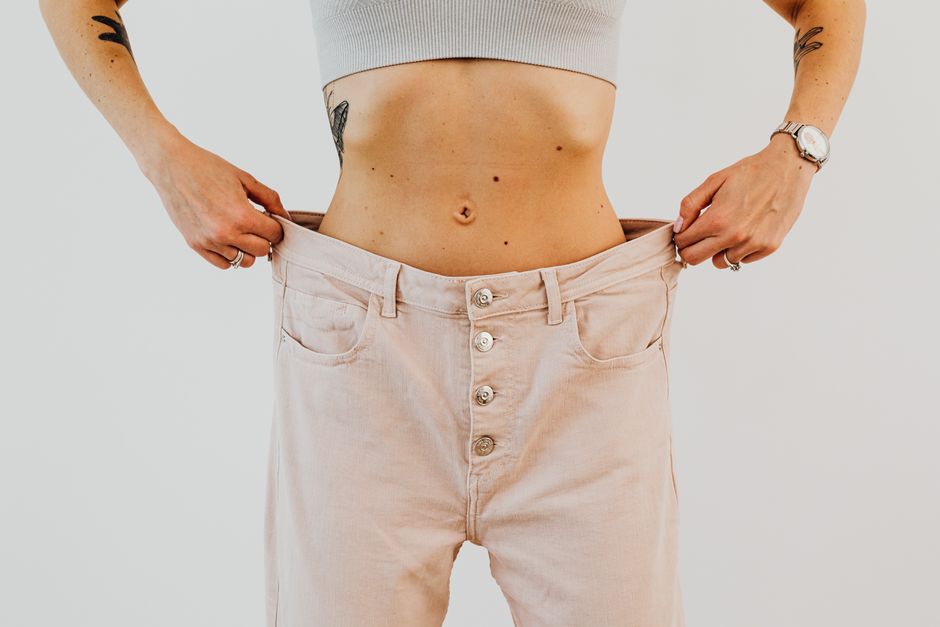
Water weight can make you feel bloated and look puffier overnight. It is common and usually temporary. You can lose water weight quickly by changing what you eat and drink today. The fastest proven methods involve reducing sodium, increasing potassium, and drinking more water. These steps help your kidneys flush out the excess fluid your body is holding onto.
What Causes Water Weight in the First Place?
Your body is about 60% water. It needs that fluid to keep your cells working, regulate temperature, and move nutrients. Sometimes your body holds onto more fluid than it needs. This is called water retention or edema.
Several everyday things cause it. Eating a high-sodium meal is the most common trigger. Salt makes your body hold water to dilute the sodium in your bloodstream. Hormonal changes during a menstrual cycle also cause retention. So do long flights, standing for long periods, and certain medications.
Carbohydrates play a role too. Your body stores carbs in your muscles and liver as glycogen. For every gram of glycogen, your body stores about three grams of water. When you eat fewer carbs, your body uses up those stores and releases the water.
None of this means you are unhealthy. It just means your fluid balance is off. The good news is that you can correct it in a day or two.
How Do I Lose Water Weight Fast Proven Tips? Key Facts
The fastest way to lose water weight is to increase your water intake and lower your sodium intake at the same time. This sounds backwards, but it works. When you are dehydrated, your body holds onto every drop it gets. When you drink enough water, your kidneys get the signal that fluid is plentiful and they release the excess.
Drink about two to three liters of water today if you are an adult. Spread it out over the day rather than chugging it all at once. You should urinate every couple of hours. If your urine is pale yellow, you are well hydrated.
Cut your sodium down to under 2,000 milligrams for the next day or two. That means avoiding processed foods, restaurant meals, deli meats, and canned soups. These are the biggest sodium sources in the American diet. Cook simple meals at home with fresh ingredients and no added salt.
This combination works within 24 hours for most people. You may lose two to four pounds of water weight in that time. That is not fat loss. It is fluid your body no longer needs.
Does Drinking More Water Really Reduce Bloating?
Yes. Chronic mild dehydration makes your body retain water. Your kidneys sense low fluid levels and release hormones that tell your body to hold onto water. Drinking more water reverses that signal.
One study in the journal Frontiers in Nutrition tracked healthy adults over several weeks. Participants who increased their water intake reported less bloating and constipation. The effect was modest but consistent.
There is no exact water amount that works for everyone. Your needs depend on your body size, activity level, and climate. A simple guideline is to drink enough so your urine is light yellow. If it is dark, drink more. If it is completely clear, you can ease off.
Caffeinated drinks like coffee and tea count toward your fluid intake. They are mild diuretics, but the water they contain outweighs the fluid they make you lose. Do not rely on them as your only fluids, though.





Which Foods Help You Lose Water Weight?
Foods high in potassium help balance sodium. Potassium tells your kidneys to excrete sodium and water. Eating potassium-rich foods is one of the most effective dietary changes you can make.
Good options include:
- Bananas — one medium banana has about 420 mg of potassium
- Avocados — half an avocado has about 485 mg
- Sweet potatoes — one medium has about 540 mg
- Spinach — one cup cooked has about 840 mg
- Tomatoes — one cup has about 430 mg
- Oranges — one medium has about 240 mg
These numbers come from USDA nutritional data. You do not need to track them exactly. Just add a couple of these foods to your meals today.
Foods with high water content also help. Watermelon, cucumber, celery, and lettuce are mostly water. Eating them adds to your fluid intake without adding sodium. They are not magic, but they support the process.
Do Diuretics and Supplements Actually Work?
Some over-the-counter supplements claim to shed water weight fast. The most common are dandelion root, magnesium, and vitamin B6. The evidence for these is limited. Some small studies suggest dandelion extract increases urine output, but no large human trials have confirmed it works for water weight specifically.
Prescription diuretics are powerful. They are used to treat high blood pressure, heart failure, and kidney disease. They are not for casual water weight loss. Taking someone else’s diuretic can cause dangerous electrolyte imbalances. Never do this.
Magnesium supplements may help with bloating related to constipation. Magnesium draws water into the intestines, which softens stool. If your bloating is from constipation rather than fluid retention, this might help. The evidence for magnesium reducing overall water weight is not strong.
Be honest with yourself about what is driving your bloating. If you ate a salty meal yesterday, water and time will fix it. If you are bloated every day, that is a different problem that needs a different approach.
Does Cutting Carbs Help You Lose Water Weight Fast?
Yes, cutting carbohydrates causes rapid water loss. This is why low-carb diets show dramatic weight loss in the first week. The scale drops fast, but it is mostly water, not fat.
Your body stores carbohydrates as glycogen in your muscles and liver. Each gram of glycogen binds to about three grams of water. When you stop eating carbs, your body burns through those glycogen stores. The bound water is released and you pee it out.
This effect is real and measurable. People on low-carb diets often lose three to five pounds in the first week. Most of that is water. Once glycogen stores are depleted, weight loss slows to the normal fat-loss rate.
Cutting carbs for a day or two is a safe way to drop water weight before an event. Going very low carb for weeks is a different decision with different metabolic effects. It is not necessary for simple water weight loss.
What About Exercise and Sweating?
Exercise makes you sweat, and sweating removes water and sodium from your body. A good workout can temporarily reduce water weight. The effect lasts only until you drink fluids again, which you should do.
Do not try to lose water weight by excessive sweating. Sauna suits, plastic wraps, and long sessions in hot environments are dangerous. They can cause dehydration, heat exhaustion, and electrolyte imbalances. The weight you lose comes back as soon as you rehydrate.
Moderate exercise helps in a different way. It improves circulation, which helps your lymphatic system move fluid out of your tissues. This is why people with mild swelling feel better after a walk. The movement pumps fluid back into your bloodstream where your kidneys can process it.
How Long Does It Take to Lose Water Weight?
Most people see results within 24 hours of making these changes. You may notice less bloating in your face, fingers, and abdomen by the next morning. The full effect takes about two to three days.
If you have not lost water weight after three days of low sodium and high water intake, something else may be going on. Persistent swelling in your feet, ankles, or legs can be a sign of a medical condition. Heart, kidney, or liver problems can cause fluid retention. So can certain blood pressure medications and steroids.
See a doctor if you have swelling that does not go away, swelling that comes with shortness of breath, or swelling in only one leg. These can be signs of something more serious than simple water weight.
What Mistakes Keep You Bloated?
The biggest mistake is skipping water to avoid bloating. This backfires. Your body holds onto fluid when it thinks water is scarce. Drink more, not less.
Another mistake is replacing water with sugary drinks. Sports drinks and juices add sodium and sugar. They can make retention worse. Plain water is best. Sparkling water is fine too.
Eating “diet” foods is a hidden trap. Many low-fat and low-calorie processed foods are loaded with sodium to make up for lost flavor. Check the label. Anything over 400 milligrams of sodium per serving is high.
Alcohol also causes water retention. It dehydrates you, and your body responds by holding onto fluid. A night of drinking often leads to a puffy face the next morning. This resolves on its own as you rehydrate.
Frequently Asked Questions
How much water weight can I lose in one day?
Most people can lose two to four pounds of water weight in 24 hours by cutting sodium and increasing water intake. This is fluid loss, not fat loss, and it comes back if you return to a high-sodium diet.
Does lemon water help with water weight?
Lemon water helps mainly because it is water. The lemon adds flavor, which may encourage you to drink more. There is no evidence that lemon itself has a diuretic effect.
Is it safe to lose water weight fast?
Losing a few pounds of water weight over one to two days is safe for healthy adults. It becomes unsafe if you use prescription diuretics, sauna suits, or severe fluid restriction to force rapid loss.
Will I gain the water weight back?
Yes, water weight returns if you go back to a high-sodium diet or stop drinking enough water. It is a normal fluctuation, not a failure. Your body regulates fluid balance continuously.
