
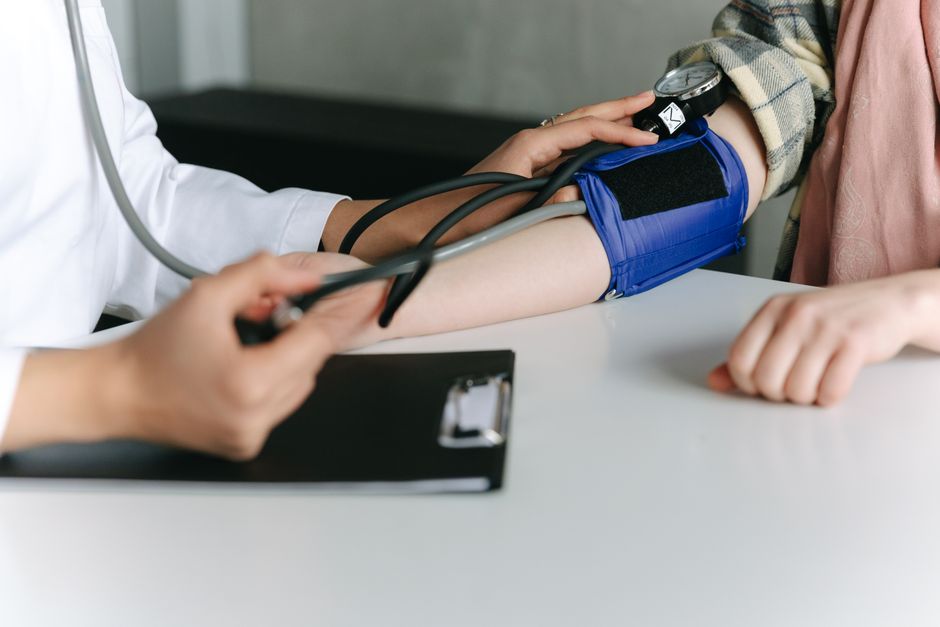
Your blood pressure reading has two numbers. The top number, systolic pressure, measures the force when your heart beats. The bottom number, diastolic pressure, measures the force when your heart rests between beats. Most treatment plans focus on the top number, but the bottom number matters too, especially for younger adults. Getting the bottom number down usually requires the same lifestyle changes that lower the top number, but some strategies matter more than others.
What Does the Bottom Blood Pressure Number Actually Mean?
Diastolic pressure is the pressure in your arteries when your heart muscle relaxes and fills with blood. During this brief pause, your coronary arteries supply blood to your heart muscle itself. If diastolic pressure stays high, your heart has to work harder even at rest.
A normal diastolic reading is below 80 mmHg. A reading of 80 to 89 is considered stage 1 hypertension. A reading of 90 or higher is stage 2 hypertension. These thresholds come from established clinical guidelines and apply to most adults.
High diastolic pressure alone is less common than high systolic pressure, but it still increases your risk for heart attack, stroke, and kidney damage. Some research suggests isolated diastolic hypertension is more common in younger adults under age 50.
How Do I Get My Bottom Blood Pressure Number Down?
Lowering your diastolic number starts with the same core changes that lower systolic pressure. The DASH diet, regular aerobic exercise, and reducing sodium are the most evidence-backed approaches. These changes affect both numbers because they address the underlying stiffness and narrowing of your blood vessels.
If your diastolic pressure is consistently above 90, lifestyle changes alone may not be enough. Your doctor may recommend medication. Several classes of blood pressure drugs lower diastolic pressure effectively, including ACE inhibitors, angiotensin receptor blockers, calcium channel blockers, and diuretics.
The key difference with diastolic pressure is that aerobic exercise appears especially effective. Regular moderate exercise strengthens your heart and reduces peripheral resistance, which directly lowers the pressure in your arteries between heartbeats.
How Much Exercise Helps the Diastolic Number
Consistent aerobic exercise is one of the most reliable ways to lower diastolic pressure. Studies consistently show that moderate-intensity aerobic exercise can reduce both systolic and diastolic readings. The effect on diastolic is typically smaller than on systolic, but it is real.
Current physical activity guidelines recommend at least 150 minutes of moderate-intensity aerobic activity per week. That breaks down to about 30 minutes most days. Brisk walking, cycling, swimming, and jogging all count.
Resistance training also helps. Some evidence suggests that combining aerobic exercise with two or three sessions of resistance training per week produces better blood pressure reductions than either alone.
One important note: exercise lowers blood pressure for several hours after you finish. This is called post-exercise hypotension. If you check your blood pressure right after a workout, it will likely be lower than your true resting baseline. Wait at least 30 minutes after exercise before measuring.



Dietary Changes That Target the Bottom Number
The DASH diet — Dietary Approaches to Stop Hypertension — has the strongest evidence for lowering blood pressure. This eating pattern emphasizes fruits, vegetables, whole grains, lean proteins, and low-fat dairy. It limits saturated fat, cholesterol, and refined sugar.
Sodium reduction is particularly important for blood pressure. Reducing sodium intake to about 2,300 milligrams per day lowers blood pressure in most people. Cutting further to about 1,500 milligrams per day produces an even greater reduction, especially in people over 50, Black adults, and those with existing hypertension.
Potassium intake also matters. Potassium helps your kidneys excrete sodium and relaxes blood vessel walls. Good sources include bananas, potatoes, spinach, beans, and yogurt. Most adults need about 3,400 milligrams of potassium per day for men and 2,600 milligrams for women.
The effect of caffeine on blood pressure is temporary. Caffeine can raise blood pressure for 30 minutes to a few hours after consumption. Regular coffee drinkers often develop tolerance to this effect. If you have high blood pressure, it is reasonable to check your reading before and after caffeine to see how you respond.
Weight and Waist Size Matter More Than You Think
Excess body weight directly raises blood pressure. Each kilogram of weight loss — about 2.2 pounds — can lower systolic pressure by roughly 1 mmHg. The effect on diastolic pressure is similar but slightly smaller.
Where you carry weight matters too. Abdominal fat, sometimes called visceral fat, is more metabolically active than fat in other areas. It releases inflammatory substances that constrict blood vessels. This is why waist circumference is a useful health marker independent of body mass index.
For most adults, a waist measurement above 40 inches for men and 35 inches for women indicates increased cardiovascular risk. Weight loss of even 5 to 10 percent of body weight can produce meaningful blood pressure reductions.
Alcohol, Sleep, and Stress: The Often Missed Factors
Alcohol raises blood pressure in a dose-dependent way. Regular heavy drinking is a well-established cause of hypertension. Reducing alcohol intake lowers blood pressure, and the effect is more pronounced in people who drink heavily.
Current dietary guidelines suggest limiting alcohol to two drinks per day for men and one drink per day for women. One drink is 12 ounces of beer, 5 ounces of wine, or 1.5 ounces of distilled spirits. Some research suggests even these levels may raise blood pressure in some people.
Poor sleep quality and short sleep duration are linked to higher blood pressure. During deep sleep, your blood pressure naturally drops. If sleep is fragmented, this nocturnal dip is blunted. Over time, this can lead to sustained higher blood pressure during the day.
Obstructive sleep apnea is a specific condition that strongly associates with hypertension. If you snore loudly, wake gasping, or feel exhausted despite full sleep hours, ask your doctor about a sleep study. Treating sleep apnea with CPAP therapy can lower blood pressure significantly.
Chronic stress activates your sympathetic nervous system, which raises both heart rate and blood pressure. The evidence for stress reduction techniques is mixed. Some studies show mindfulness and slow breathing can lower blood pressure modestly. The effect is smaller than exercise or dietary changes, but it may still help.
When Lifestyle Changes Are Not Enough
If your diastolic pressure remains at or above 90 despite consistent lifestyle changes, medication is typically indicated. This is especially true if you have other cardiovascular risk factors like diabetes, high cholesterol, or a family history of heart disease.
Several medication classes lower diastolic pressure effectively. ACE inhibitors and ARBs relax blood vessels. Calcium channel blockers reduce the force of heart contractions and relax vessel walls. Thiazide diuretics help your kidneys remove excess sodium and fluid.
Beta-blockers are sometimes used but are no longer first-line therapy for uncomplicated hypertension. They lower heart rate and cardiac output, which reduces blood pressure, but newer evidence suggests other classes offer better outcomes for most patients.
Your doctor may start with one medication at a low dose and adjust based on your response. Many people need two or more medications to reach their target. This is normal and not a sign of treatment failure.
Do not stop taking blood pressure medication without talking to your doctor. Stopping suddenly can cause a dangerous spike in blood pressure. If lifestyle changes have improved your readings, your doctor can guide a gradual medication reduction if appropriate.
How to Track Your Progress Accurately
Home blood pressure monitoring is useful for tracking progress. Choose a validated upper-arm cuff monitor. Wrist monitors are less reliable. Check your blood pressure at the same times each day, sit quietly for five minutes first, and take two readings one minute apart.
Record your readings in a log or app. Bring this record to your medical appointments. Home readings often differ from office readings, and many people experience white-coat hypertension — elevated readings in a clinical setting that do not reflect their usual blood pressure.
Do not obsess over single readings. Blood pressure fluctuates throughout the day based on activity, stress, hydration, and even conversation. What matters is the overall trend over weeks and months.
When to Seek Immediate Medical Care
A single elevated reading is not an emergency. However, a diastolic reading of 120 or higher requires immediate medical attention. This is called a hypertensive crisis. If you also have chest pain, shortness of breath, severe headache, vision changes, or weakness on one side of your body, call emergency services.
Most people with high diastolic pressure do not feel symptoms. Hypertension is often called a silent condition for this reason. Regular monitoring is the only way to know your numbers.
Frequently Asked Questions
What is a dangerous bottom blood pressure number?
A diastolic reading of 120 or higher is a hypertensive crisis and requires immediate medical care. Readings of 90 and above are stage 2 hypertension and warrant treatment.
Can I lower my diastolic pressure without medication?
Yes, regular aerobic exercise, the DASH diet, sodium reduction, weight loss, and limiting alcohol can all lower diastolic pressure. The effect varies by person, and medication may still be necessary if lifestyle changes are not enough.
How long does it take for lifestyle changes to lower blood pressure?
Aerobic exercise can lower blood pressure within a few weeks of consistent training. Dietary changes like sodium reduction can show effects within two to four weeks.
Does stress cause high diastolic blood pressure?
Acute stress temporarily raises blood pressure, including the diastolic number. Chronic stress likely contributes to sustained hypertension, though the direct effect is harder to measure than diet or exercise effects.
