
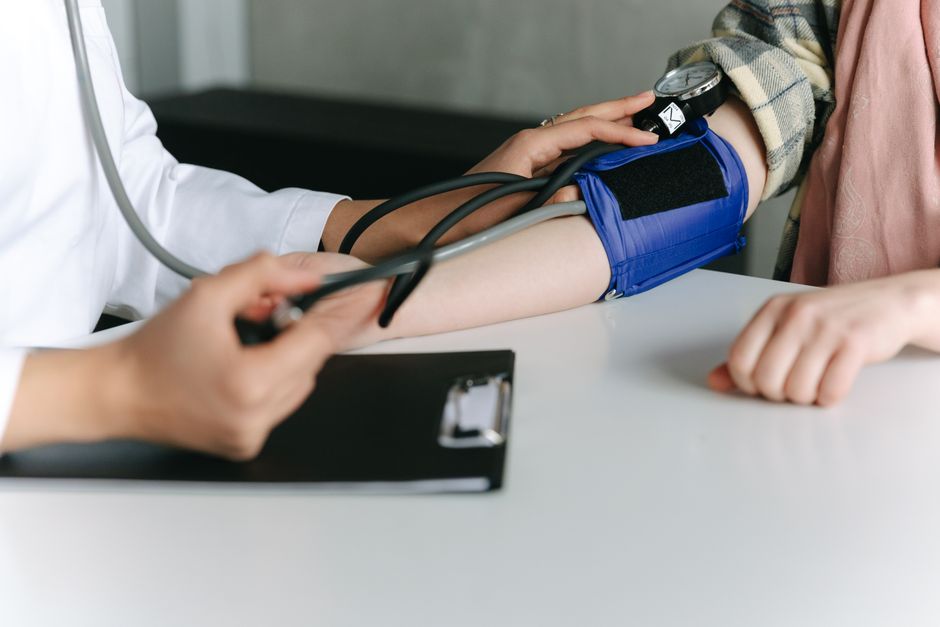
Low blood pressure can make you feel dizzy, lightheaded, or suddenly exhausted. If you need fast relief, the quickest steps are to drink a glass of water, eat something salty, and lie down with your legs elevated above heart level. These actions help raise blood volume and push blood toward your brain, which usually eases symptoms within a few minutes. For persistent or severe drops in pressure, you need medical guidance rather than home fixes alone.
What Counts as Low Blood Pressure?
Blood pressure is measured in millimeters of mercury (mmHg) and recorded as two numbers. The top number is systolic pressure, the force when your heart beats. The bottom number is diastolic pressure, the force when your heart rests between beats.
Normal blood pressure is generally considered to be around 120/80 mmHg. Low blood pressure, called hypotension, is typically defined as a reading below 90/60 mmHg. But the number alone does not tell the whole story. Many healthy people walk around with readings in the 90s and feel completely fine. The problem is when low pressure causes symptoms like dizziness, fainting, blurred vision, nausea, or fatigue.
If you have symptoms, the drop matters more than the exact number. A person whose usual pressure is 130/80 may feel terrible at 100/70. Someone else may feel normal at 90/60. The key question is not just what the monitor says, but how your body is responding.
How Do I Fix Low Blood Pressure Fast Relief Tips
When symptoms hit suddenly, act quickly. The fastest ways to raise blood pressure at home are simple physical maneuvers that increase blood return to the heart.
Drink cold water. Drinking two to three glasses of water quickly can raise blood pressure within minutes. Water increases blood volume and triggers a reflex that tightens blood vessels. This effect is strongest when you are dehydrated.
Eat something salty. Salt draws water into your bloodstream, raising blood volume and pressure. A handful of pretzels, salted nuts, or a few crackers can help. Do not overdo it if you have kidney disease or heart failure, where extra salt can be harmful.
Lie down and elevate your legs. Raise your legs above heart level using pillows or a wall. This uses gravity to push blood from your legs back toward your chest and brain. Stay in this position for several minutes until symptoms improve.
Stand up slowly. If you were sitting or lying down, do not jump up. Rise gradually and pause. Give your body time to adjust blood flow before you move.
These measures work best for acute episodes. They do not address the underlying reason your pressure is dropping, which requires a longer-term conversation with a doctor.
What Causes Sudden Drops in Blood Pressure?
Understanding why your pressure dropped helps you prevent the next episode. Several common situations trigger sudden hypotension.
Dehydration is one of the most frequent causes. When you do not drink enough fluids, blood volume shrinks. Less blood in your veins means less pressure pushing against vessel walls. Heat, exercise, vomiting, diarrhea, and fever all increase fluid loss and can tip you into low pressure.
Standing up too quickly causes orthostatic hypotension. When you stand, gravity pulls blood into your legs. Normally, your nervous system quickly tightens blood vessels to compensate. In some people, this response is delayed or weak, causing blood to pool in the legs and pressure to drop momentarily. This is more common in older adults and people taking certain medications.
Meals can also trigger low pressure, especially large or carbohydrate-heavy ones. Postprandial hypotension happens when blood rushes to your digestive tract after eating. This leaves less blood circulating to the rest of your body, causing dizziness about 30 minutes to two hours after a meal.
Medications are a hidden cause. Blood pressure drugs, diuretics, antidepressants, and medications for erectile dysfunction can all lower pressure. If you started a new medicine recently and noticed symptoms, that timing matters.
Pregnancy commonly causes low pressure, particularly in the first two trimesters. The circulatory system expands during pregnancy, which naturally lowers pressure. This usually resolves after delivery.
When Is Low Blood Pressure an Emergency?
Most low blood pressure episodes pass quickly and are not dangerous. Some situations require immediate medical attention.
Seek emergency care if low pressure comes with any of these warning signs:
- Fainting that does not resolve quickly
- Chest pain or pressure
- Shortness of breath
- Severe headache with neck stiffness
- Blood in your stool or vomit
- High fever above 103°F
- Confusion or difficulty speaking
- Rapid, shallow breathing
These symptoms can indicate internal bleeding, severe infection, a heart problem, or an allergic reaction. In these cases, low blood pressure is a sign of a larger medical crisis, not the problem itself. Do not try to fix this at home. Call 911.
Severe hypotension can deprive your organs of oxygen. When blood pressure drops too low for too long, the kidneys, brain, and heart may not get enough blood flow. This is a medical emergency that requires hospital treatment with intravenous fluids and medications.
Long-Term Strategies to Prevent Low Blood Pressure
Fast fixes handle the moment. Preventing future episodes requires consistent habits. If you have recurring symptoms, talk to your doctor before making major changes.
Hydration is the foundation. Drink enough water throughout the day, not just when you feel symptomatic. Urine color is a useful guide — pale yellow means you are likely well hydrated. Dark urine signals you need more fluids.
Increase salt intake only with medical approval. Some doctors recommend higher salt intake for people with chronic hypotension, but this advice does not apply to everyone. If you have high blood pressure, kidney disease, or heart failure, extra salt is dangerous. Ask your doctor whether increasing sodium makes sense for your situation.
Wear compression stockings. These tight-fitting socks apply pressure to your legs, which helps push blood upward and reduces pooling. They are most helpful for orthostatic hypotension. Medical-grade compression stockings come in different pressure levels, so get fitted properly rather than buying the first pair you see.
Eat smaller, more frequent meals. Large meals pull blood into your digestive system. Eating smaller portions more often reduces this effect. If post-meal dizziness is your main problem, try limiting refined carbohydrates like white bread, pasta, and sugary foods.
Move your legs before standing. If you have been sitting for a while, pump your ankles or march in place for a few seconds before getting up. This activates the calf muscles, which squeeze veins and push blood upward.
Avoid alcohol. Alcohol dilates blood vessels and causes fluid loss. Both effects lower blood pressure. If you drink and notice symptoms, reducing or eliminating alcohol may help.
Medical Treatments for Chronic Low Blood Pressure
When lifestyle changes are not enough, doctors have medication options. These are not first-line treatments. They are reserved for people whose symptoms interfere with daily life despite lifestyle adjustments.
Fludrocortisone is a medication that helps your kidneys retain sodium and water. This increases blood volume and raises pressure. It requires monitoring because it can cause low potassium levels and fluid retention.
Midodrine tightens blood vessels by stimulating certain receptors in the circulatory system. It raises standing blood pressure but must be taken carefully. It can cause high blood pressure when lying down, so dosing schedules need to be precise.
Both medications require a prescription and regular follow-up. Your doctor will weigh the benefits against side effects based on your specific situation.
Sometimes the fix is simpler — adjusting an existing medication. If your low blood pressure is a side effect of another drug, your doctor may lower the dose, change the timing, or switch you to a different medication entirely. Never adjust prescription medications on your own.
What Does Not Work for Low Blood Pressure
Internet advice about low blood pressure often misses the mark. Some popular suggestions have no evidence behind them.
Caffeine gets mentioned frequently as a quick fix. Caffeine can temporarily raise blood pressure in people who do not consume it regularly. But regular coffee drinkers develop tolerance, and the effect fades. Relying on caffeine for blood pressure support is not a reliable strategy.
Licorice root is sometimes promoted for low blood pressure because it can cause fluid retention. However, licorice can dangerously lower potassium levels and interact with medications. No clinical guidelines recommend it for hypotension.
Salt tablets are not the same as dietary salt. They can irritate the stomach and cause unpredictable fluid shifts. If your doctor recommends more salt, food sources are safer and better absorbed.
Some supplements claim to support blood pressure regulation, but no supplement has been proven to treat chronic hypotension in clinical trials. Treat any product making this claim with skepticism.
When to See a Doctor About Low Blood Pressure
One episode of dizziness after standing up too quickly is not usually a reason to panic. But recurring symptoms deserve medical attention.
Make an appointment if you experience:
- Frequent dizziness or lightheadedness
- Fainting episodes
- Symptoms after starting a new medication
- Low blood pressure with no obvious cause
- Symptoms that interfere with work or daily activities
At your visit, your doctor will take a thorough history and check your blood pressure in different positions. They may measure it while you lie down, sit, and stand to see how your body responds to position changes. Blood tests can check for anemia, thyroid problems, or blood sugar issues that contribute to low pressure.
Keep a log of your symptoms before the visit. Note what you were doing when symptoms started, what time of day it happened, and what made it better. This information helps your doctor identify patterns and causes more quickly.
Frequently Asked Questions
What should I do immediately if I feel faint from low blood pressure?
Lie down right away and elevate your legs above heart level using pillows or a wall. Drink a glass of cold water and eat something salty if you can do so safely.
Can drinking water really raise low blood pressure fast?
Yes, drinking two to three glasses of water can raise blood pressure within minutes by increasing blood volume and triggering vessel constriction. The effect is strongest when you are dehydrated.
Is low blood pressure dangerous if I have no symptoms?
No, asymptomatic low blood pressure is generally not dangerous and may even be a sign of good cardiovascular fitness. The concern arises only when low readings come with dizziness, fainting, or other symptoms.
How much salt should I add to my diet for low blood pressure?
There is no universal salt recommendation for hypotension because safe amounts depend on your kidney function and overall health. Ask your doctor whether increasing dietary salt is appropriate for you and how much to add.
