
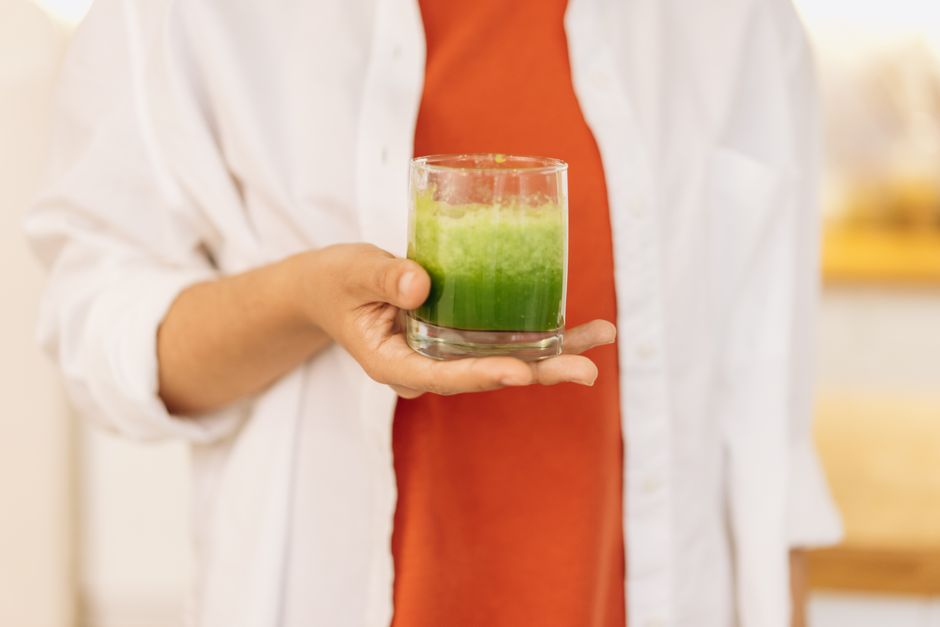
Your liver already cleanses itself. It is the body’s main detoxification organ, and it does this continuously without any help from juices, teas, or supplements. The best-supported way to support it is to limit what damages it — alcohol, excess weight, and certain medications taken without medical need — and to manage any underlying liver condition with a doctor. Most commercial “liver cleanse” products have no clinical evidence behind them, and some have caused real harm.
How Do I Cleanse My Liver The Truth About Detoxes?
You don’t need to cleanse your liver. It cleans you.
The liver processes everything you eat, drink, breathe, and absorb through your skin. It breaks down drugs and alcohol, filters waste from blood, stores vitamins and minerals, makes bile for digestion, and produces proteins your body depends on. This work happens around the clock, whether or not you buy a detox kit.
The word “detox” gets used two very different ways. In medicine, detox means treating a person withdrawing from a substance like alcohol or opioids — a serious medical process done under supervision. In marketing, detox means nothing specific. It has no agreed definition, no required testing, and no standard for what a product must do to claim it. That gap is where most liver cleanse products live.
What Does the Liver Actually Do to Remove Toxins?
The liver removes waste through a two-phase chemical process, and understanding it explains why “flushing” the liver doesn’t make sense.
In phase one, enzymes called cytochrome P450 convert fat-soluble compounds into more reactive, water-soluble forms. This step can temporarily make some substances more toxic before they are cleared — which is why the process matters so much.
In phase two, the liver attaches molecules like glutathione, sulfate, or glucuronic acid to those intermediate compounds, making them safer and easier to excrete. The finished products leave through bile into the gut or through the kidneys in urine.
This system is tightly regulated. It speeds up or slows down based on what you’re exposed to. When you drink alcohol regularly, for example, the liver adjusts its enzyme levels in response. It doesn’t need a reset. It needs to not be overwhelmed.
A detail worth knowing: the liver can regenerate damaged tissue, but that ability has limits. Repeated injury — from heavy drinking, chronic viral hepatitis, or fat accumulation — can lead to scarring called fibrosis. Advanced fibrosis becomes cirrhosis, which is permanent. No cleanse reverses cirrhosis. That is one of the clearest findings in liver medicine.
Do Liver Detox Products and Teas Work?
No clinical evidence confirms that commercial liver cleanse products remove toxins or improve liver health.
Most contain milk thistle, dandelion root, turmeric, artichoke extract, or similar botanical ingredients. Some of these have been studied, but mostly in small trials with mixed results, often in specific liver conditions rather than in healthy people. Milk thistle, for instance, has been researched for decades in liver disease with inconsistent findings. It is not established as a treatment for any liver condition.
The bigger concern is safety. Herbal and dietary supplements are a recognized cause of drug-induced liver injury in the United States. That’s not a fringe claim — supplement-related liver injury is well documented in the medical literature and in national surveillance of liver injury cases. Products marketed for weight loss, bodybuilding, and “detox” are among those most often implicated.
Ingredients that have been linked to liver injury in case reports and clinical series include green tea extract in high-dose supplement form, garcinia cambogia, and certain combinations of botanicals. The risk to any one person is low. But it isn’t zero, and it isn’t predictable.
There’s also a practical problem with “cleansing” products that act as laxatives or diuretics. They don’t remove toxins from the liver. They remove water and stool. Any weight lost comes back when you drink fluids.
What Actually Harms the Liver?
The things that damage the liver are well established, and most are within your control to some degree.
- Alcohol. Regular heavy drinking is a leading cause of liver disease. The relationship between dose and risk is real, and no cleanse offsets it.
- Excess body fat. Metabolic dysfunction-associated steatotic liver disease — the current name for what was called fatty liver disease — affects a large share of adults in the US. It is tied to excess weight, insulin resistance, and type 2 diabetes.
- Chronic viral hepatitis. Hepatitis B and C can quietly damage the liver for years. Both can be detected with blood tests.
- Some medications and supplements. Acetaminophen overdose is a leading cause of acute liver failure in the US. Taken at recommended doses it is generally safe, but combining products that contain it — or exceeding the label dose — is dangerous.
- Unprotected exposure risks. Sharing needles and some unregulated tattoo practices raise hepatitis risk.
Some liver damage has nothing to do with lifestyle. Autoimmune hepatitis, genetic conditions like hemochromatosis, and bile duct diseases can affect anyone. These need medical diagnosis, not a cleanse.
What Actually Supports Liver Health?
The evidence-backed steps for liver health are unglamorous and well established.
Limit or avoid alcohol. For people with any form of liver disease, clinicians generally advise avoiding it entirely. For others, less is better.
Maintain a healthy weight. Losing weight through diet and activity has been shown to reduce liver fat and improve markers of liver inflammation in people with fatty liver disease. This is one of the better-supported interventions in liver medicine. The benefit comes from the weight loss itself, not from any specific food or supplement.
Get tested if you have risk factors. A simple blood test can check liver enzymes. Hepatitis B and C can be screened with blood tests. Early detection matters because damage can progress silently for years before symptoms appear.
Be careful with supplements. Tell your doctor about everything you take, including herbal products. “Natural” does not mean safe for the liver.
Manage underlying conditions. Controlling diabetes, high cholesterol, and high blood pressure supports liver health, particularly in fatty liver disease.
Coffee deserves a brief mention. Some research suggests regular coffee drinking is associated with lower risk of liver fibrosis and cirrhosis. The findings are consistent enough to be interesting, but coffee is not a treatment, and no clinician would prescribe it as one.
Can a Detox Cause Harm?
Yes. Detox products can cause harm in several ways.
Direct liver injury from herbal ingredients is the most serious. Symptoms can include fatigue, nausea, dark urine, and yellowing of the skin or eyes — signs of jaundice. These warrant prompt medical attention.
Indirect harm matters too. A cleanse can delay real diagnosis. Someone with fatigue or abdominal discomfort might try a detox instead of seeing a doctor, and liver disease can progress quietly during that time.
Laxative-based cleanses can cause dehydration and electrolyte imbalances. People with existing liver disease, kidney disease, or who take prescription medications are at higher risk. Drug-herb interactions are real — St. John’s wort, for example, affects how the body processes many medications.
If you take a prescription medication, check with a pharmacist before adding any supplement. This is standard advice, and it exists because interactions are common.
When Should You See a Doctor About Your Liver?
See a doctor if you have persistent fatigue, abdominal pain, dark urine, pale stools, yellowing skin or eyes, or unexplained weight loss. These symptoms don’t confirm liver disease — many conditions cause them — but they deserve evaluation.
You should also get checked if you have risk factors: heavy alcohol use, type 2 diabetes, obesity, a family history of liver disease, or past exposure to hepatitis. Liver disease often causes no symptoms until damage is advanced. That’s why testing matters more than how you feel.
Blood tests can measure liver enzymes and other markers. Imaging can assess liver structure. These are standard tools, and they give real information that no cleanse can.
Frequently Asked Questions
Can you actually detox your liver?
No. The liver detoxifies your body on its own, continuously, and no product has been shown to improve that process in healthy people. What you can do is reduce the burden on it by limiting alcohol and maintaining a healthy weight.
Is milk thistle good for your liver?
Milk thistle has been studied for liver conditions for decades, but results have been inconsistent and it is not established as a treatment. It can also interact with some medications, so check with a doctor or pharmacist first.
How long does a liver cleanse take to work?
There is no evidence that liver cleanses work at all, so there is no established timeline. Claims about “results in days” are marketing, not clinical findings.
What are the warning signs of liver problems?
Yellowing of the skin or eyes, dark urine, pale stools, persistent fatigue, and abdominal swelling are possible signs. Many liver conditions cause no symptoms early, so testing is the only reliable way to know.
