
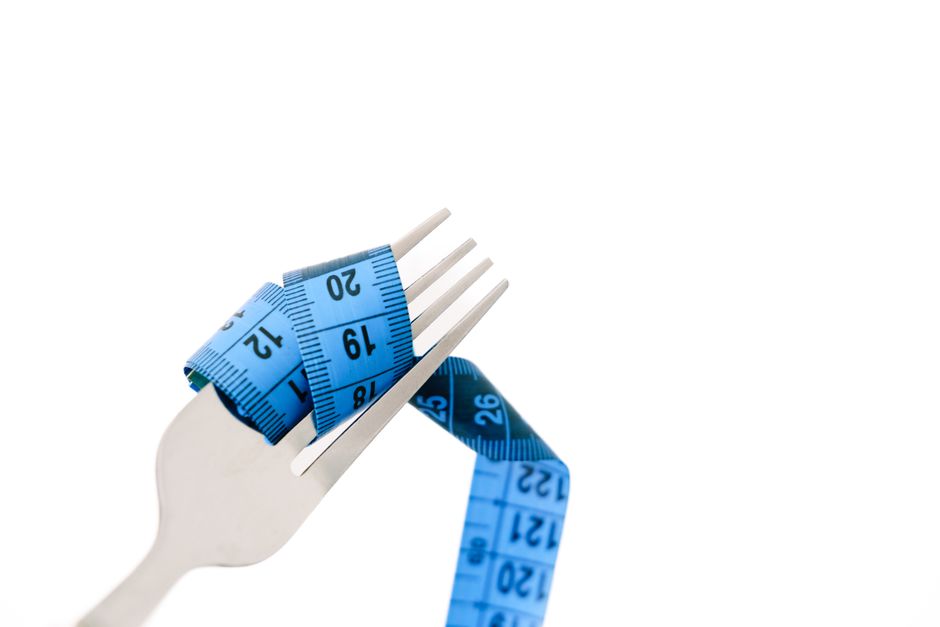
A weight loss plateau happens when your weight stops dropping even though you are still eating well and exercising. It is not a sign that you are failing. Your body has adapted to your current routine, and the math of your daily energy balance has changed. To break through, you need to adjust your approach based on what your body is actually doing now, not what worked two months ago.
Why Does a Weight Loss Plateau Happen?
When you lose weight, your body becomes smaller. A smaller body burns fewer calories than a larger one does. This is not a mystery — it is basic physiology. The same workout that once created a large calorie deficit now requires less energy to perform because you are carrying less mass.
Your resting metabolic rate also drops. This is the energy your body uses just to keep your heart beating, lungs breathing, and organs functioning. Research consistently shows that as weight drops, resting energy expenditure decreases. Some of this is simply because a smaller body has less tissue to maintain.
Hormonal changes also play a role. When you are in a calorie deficit for a long period, your body produces more ghrelin, the hunger hormone, and less leptin, the hormone that signals fullness. Your thyroid hormone levels may shift slightly as well. These changes make you feel hungrier and less satisfied after meals. This is a survival response. Your body cannot tell the difference between intentional dieting and a genuine famine.
The plateau is not a wall. It is a new set point of energy balance. You are no longer in a deficit because your body now burns fewer calories than it did before. The fix is to create a new deficit, but the way you do that matters.
How Do I Break Through a Weight Loss Plateau?
First, confirm you are actually at a plateau. Weight fluctuates daily due to water, salt, fiber, and hormonal cycles. A single week of no movement is not a plateau. A true plateau is typically four to six weeks with no downward trend despite consistent habits.
Once you confirm a plateau, the most reliable approach is to reduce your calorie intake slightly. Your maintenance calories have dropped along with your weight. If you were eating 1,800 calories to lose weight at 200 pounds, you may now need 1,600 calories at 180 pounds to maintain the same rate of loss.
The safest way to find this number is to reduce your current intake by roughly 100 to 200 calories per day. This is a modest adjustment. Drastic cuts below 1,200 calories for women or 1,500 for men generally are not recommended without medical supervision because they make it harder to meet nutrient needs and are not sustainable.
Recheck your portion sizes before you cut anything. Over time, portions creep up. A serving of peanut butter that was one tablespoon six months ago may now be two. Measuring food for three days is often enough to reveal where extra calories are hiding. Liquid calories from coffee drinks, juice, and alcohol are common culprits that quietly add hundreds of calories per day.
If you are already eating a very low calorie level, do not cut further. Instead, focus on increasing energy output through movement.
Should You Change Your Exercise Routine?
Your body adapts to exercise. The same run at the same pace burns fewer calories after months of repetition because your body becomes more efficient at that movement. This is a real phenomenon, not a lack of effort.
Adding variety can help. If you only do steady-state cardio, consider adding two sessions of resistance training per week. Muscle is metabolically active tissue. Building or preserving muscle helps keep your resting metabolic rate higher than it would be otherwise. This is one of the most evidence-supported reasons to strength train during weight loss.
If you already lift weights, consider increasing the intensity rather than the duration. Adding weight to your lifts or reducing rest time between sets can create a greater training stimulus. High-intensity interval training, or HIIT, is another option. Short bursts of maximal effort followed by recovery periods can increase calorie burn during and after the workout.
Daily movement outside of formal exercise also matters. This is called non-exercise activity thermogenesis, or NEAT. It includes walking to the store, taking stairs, cleaning the house, and fidgeting. When people diet, NEAT often drops unconsciously. You may sit more without noticing. Using a step counter and aiming to increase your daily step count by 2,000 to 3,000 steps can make a meaningful difference over a week.
Do not add hours of exercise. That approach often backfires because it increases hunger and fatigue, making it harder to stick to your nutrition plan. A moderate increase in movement combined with a small calorie adjustment is more sustainable.




How Important Is Protein and Fiber?
Protein deserves special attention during a plateau. High protein intake helps preserve lean muscle mass while you are in a calorie deficit. It also increases satiety more than carbohydrates or fat do. Some studies indicate that diets containing roughly 1.6 to 2.2 grams of protein per kilogram of body weight are effective for preserving muscle during weight loss.
For a 180-pound person, that range is roughly 130 to 180 grams of protein per day. This is a meaningful amount. It requires deliberate planning. Include a protein source at every meal. Eggs, Greek yogurt, chicken, fish, tofu, and legumes are practical options.
Fiber serves a different purpose. It adds bulk without calories, which helps you feel full. High-fiber foods also slow digestion and blunt blood sugar spikes. Vegetables, fruits, whole grains, and beans are the main sources. Most adults need 25 to 38 grams of fiber per day, depending on sex and age, but most Americans get far less.
If your current diet is low in protein and fiber, increasing both may break the plateau without any other changes. These foods replace more calorie-dense options naturally. You do not need a special supplement or powder. Whole foods work.
What About Sleep and Stress?
Sleep and stress are not minor factors. They directly influence hormones that control appetite and metabolism. Short sleep is associated with higher levels of ghrelin and lower levels of leptin. This combination increases hunger and reduces fullness signals.
One night of poor sleep will not cause a plateau. But chronic sleep restriction of less than seven hours per night can make weight loss significantly harder. Research consistently shows that people who sleep less tend to have higher body weight and more difficulty losing weight.
Stress has a similar effect. Chronic stress raises cortisol, a hormone that can promote fat storage, particularly around the abdomen. Cortisol also increases appetite and cravings for high-calorie foods. Managing stress is not about eliminating it entirely. It is about finding practical ways to reduce its impact, such as regular physical activity, adequate sleep, and time outdoors.
If you are sleeping poorly and under constant stress, addressing these two areas may matter more than reducing calories further. The body does not lose weight efficiently when it perceives a threat.
Should You Try a Diet Break or Reverse Diet?
A diet break is a planned period of eating at maintenance calories, typically lasting one to two weeks. The idea is to give your body a rest from the calorie deficit. Some evidence suggests that this can help restore energy levels and reduce hunger hormones, making the next dieting phase more manageable.
The evidence for diet breaks is not conclusive. Some studies suggest they may help, but results are mixed. What is clear is that they do not appear to cause harm. If you have been dieting for several months and feel exhausted, hungry, and unmotivated, a diet break may be a practical choice.
Reverse dieting is different. It involves gradually increasing calories by small amounts over weeks to raise your metabolic rate back to a normal level. This is not a weight loss tool. It is a strategy for transitioning out of a diet while minimizing rapid weight regain.
Neither approach is a magic solution. They are tools for managing the long process of weight loss and maintenance. If you are plateauing after many months of dieting, taking a break from the deficit may help you reset both physically and mentally.
When Should You See a Doctor?
A plateau lasting several months despite consistent effort may warrant medical evaluation. Certain medical conditions can interfere with weight loss. Hypothyroidism, polycystic ovary syndrome (PCOS), and insulin resistance are examples. Some medications, including certain antidepressants, blood pressure drugs, and diabetes medications, can also cause weight gain or hinder loss.
If you have other symptoms such as fatigue, hair loss, feeling cold, irregular periods, or digestive problems, mention these to your doctor. A simple blood test can check thyroid function and other basic markers.
No clinical guidelines currently recommend specific weight loss medications for breaking a plateau. However, if your plateau is part of a larger pattern of difficulty losing weight, your doctor may discuss options with you. This is a medical decision that requires individualized assessment.
Frequently Asked Questions
How long does a weight loss plateau last?
A plateau typically lasts four to six weeks before your body adjusts to a new calorie deficit. If it lasts longer than two to three months, a medical evaluation may be worth considering.
Should I eat fewer calories to break a plateau?
Reducing your intake by 100 to 200 calories per day is a reasonable first step if your portions are accurate. Cutting drastically below 1,200 calories for women or 1,500 for men is not recommended without medical supervision.
Can more exercise break a weight loss plateau?
Yes, but adding variety matters more than adding volume. Resistance training and increased daily steps are often more effective than doing more of the same cardio.
Is a weight loss plateau a sign my metabolism is broken?
No. Your metabolism has simply adjusted to your lower body weight. This is a normal physiological adaptation, not a permanent condition.
