
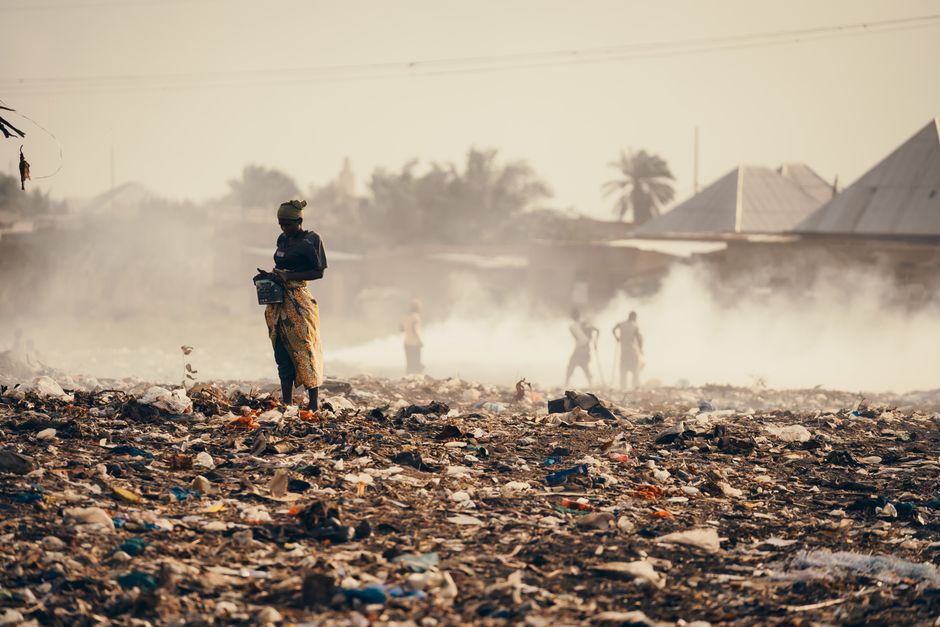
Groundwater is the water that fills the cracks and pores in rock and soil beneath our feet. About half of all Americans drink water drawn from it, and it supplies a large share of the water used to grow food. When human activity releases chemicals, waste, or excess nutrients onto the land, those substances can seep downward and reach the water we depend on. The eight main sources are agriculture, septic systems, leaking underground storage tanks, industrial activity, landfills, road salt and stormwater runoff, mining, and improper disposal of household chemicals.
How Do Humans Pollute Groundwater 8 Key Sources?
Groundwater pollution usually happens slowly and out of sight. Rain and irrigation water move down through soil, carrying dissolved chemicals with them. Once contaminants reach the water table, they can spread through an aquifer and stay there for years or decades.
That slow movement is what makes groundwater different from a river or lake. A surface spill might wash away in a season. A plume of contamination underground can persist far longer, and cleaning it up is difficult and expensive.
What follows are the eight sources that account for most human-caused groundwater contamination, and how each one actually works.
1. Agriculture: Fertilizers and Pesticides
Agriculture is the single largest source of groundwater contamination in many parts of the United States. The two main problems are nutrients and pesticides.
Nitrogen fertilizer that crops do not take up converts to nitrate, which dissolves easily in water and moves down through soil. Nitrate is one of the most common contaminants found in shallow groundwater under farm country. High nitrate levels in drinking water are a particular concern for infants, because they can interfere with the blood’s ability to carry oxygen, a condition called methemoglobinemia.
Pesticides and herbicides add a second layer of risk. Some break down quickly in soil. Others persist and can leach downward, especially in sandy soils or where the water table is close to the surface. How much reaches groundwater depends on the chemical, the soil, the depth to water, and how much rain falls.
Concentrated animal feeding operations add another pathway. Manure and urine stored in lagoons or spread on fields can carry nitrogen, bacteria, and other contaminants into groundwater if they are not managed carefully.
2. Septic Systems
Roughly one in five US households relies on a septic system rather than a municipal sewer. A properly sited and maintained system treats wastewater in the soil before it reaches groundwater. A failing or overloaded one does not.
When a septic system fails, untreated wastewater can carry nitrates, bacteria, viruses, and household chemicals into the ground. This risk rises with age, poor maintenance, and high water use. Dense clusters of septic systems in areas with shallow water tables or sandy soils are a recognized concern for nearby wells.
The key point is that septic systems are not automatically a problem. They become one when they are too close together, too close to the water table, or not maintained.





3. Leaking Underground Storage Tanks
There are hundreds of thousands of underground tanks across the country storing gasoline, diesel, and other petroleum products. Many are at gas stations, and many are decades old.
When a tank or its piping corrodes and leaks, petroleum chemicals can move into groundwater. Some components of gasoline dissolve readily in water and can travel far from the original leak. Even small leaks, over years, can contaminate a large volume of water.
Federal and state programs require leak detection and cleanup, and many older tanks have been replaced or upgraded. But leaks still occur, and they are one of the more common causes of localized groundwater contamination near fuel storage sites.
4. Industrial Activity and Chemical Spills
Industrial operations have released a wide range of chemicals into the ground, sometimes deliberately and sometimes by accident. Solvents used for degreasing, metals from plating and manufacturing, and petroleum products are among the most common.
Some industrial chemicals are denser than water. When they sink, they can move downward through an aquifer rather than floating on top, which makes them especially hard to find and remove. This is one reason industrial contamination can be so persistent.
Spills, leaking pipes, and improper disposal of waste have all contributed. Many of the most contaminated sites in the country are former industrial properties now subject to long-term cleanup programs.
5. Landfills
When waste breaks down in a landfill, water moving through it picks up dissolved and suspended materials. That liquid, called leachate, can contain metals, salts, organic chemicals, and other contaminants.
Modern landfills are lined and fitted with collection systems to keep leachate from reaching groundwater. Older or unlined landfills often lack these protections. Even lined landfills can leak over time if liners fail or collection systems are not maintained.
Rainfall is the main driver. More water entering a landfill means more leachate to manage, and more opportunity for contamination if the system does not hold.
6. Road Salt and Stormwater Runoff
Road salt used for winter de-icing is a major and often overlooked source of groundwater contamination. When snow and ice melt, dissolved salt moves into soil and downward into groundwater.
Chloride from road salt is highly mobile and does not break down. In many northern states, chloride levels in shallow groundwater and wells have risen over decades of road salting. This can affect the taste of drinking water and, at high enough levels, its suitability for people on sodium-restricted diets.
Stormwater runoff adds to the problem. As water flows over roads, parking lots, and lawns, it picks up oil, metals, fertilizers, and pesticides, then carries them into the ground or into surface water that recharges aquifers.
7. Mining
Mining disturbs large volumes of rock and exposes minerals that were previously buried. When water and air contact certain exposed minerals, they can form sulfuric acid and dissolve metals. This process, known as acid mine drainage, can send metals and acidic water into groundwater and nearby streams.
Mining operations also use and store chemicals, including those used to process ore. Tailings, the leftover material after ore is processed, can contain contaminants that leach into groundwater if not contained.
The scale and persistence of mining contamination can be significant. Some sites require treatment of contaminated water for many years or indefinitely.
8. Improper Disposal of Household Chemicals
Household products can contaminate groundwater when they are poured on the ground, dumped down a drain that leads to a septic system, or thrown out in a way that lets them leach into soil.
Common examples include motor oil, paint, solvents, pesticides, and unused medications. Small amounts from many households can add up, especially in areas where many homes rely on wells and septic systems.
The fix is straightforward: use designated household hazardous waste collection programs and take back unused medications to authorized collection sites. These options exist in most communities and keep chemicals out of the ground.
Why Groundwater Contamination Is Hard to Reverse
Once contaminants reach an aquifer, they do not simply wash away. Groundwater moves slowly, often just feet per year, so contamination can spread gradually and persist for a long time.
Cleanup is difficult because the contamination is underground and spread across a large volume of rock and soil. Pumping and treating water can help, but it may take decades and may not restore an aquifer completely. Preventing contamination in the first place is far more effective than trying to reverse it.
This is why the focus in groundwater protection is on source control: managing how chemicals and waste are stored, applied, and disposed of before they ever reach the ground.
How Can You Tell If Your Water Is Affected?
You generally cannot tell by taste, smell, or appearance. Many of the most common groundwater contaminants, including nitrate and many industrial chemicals, have no obvious taste or odor at levels that matter for health.
If you rely on a private well, testing is the only reliable way to know what is in your water. Testing frequency and the specific tests recommended depend on where you live and what activities are nearby. Local health departments and state programs can advise on what to test for.
Public water systems are required to test regularly and report results to customers. If you get water from a municipal system, that annual report is a good place to start.
Frequently Asked Questions
What is the biggest source of groundwater pollution?
Agriculture is the largest source of groundwater contamination in many regions, mainly through nitrate from fertilizers and manure. Industrial activity and leaking underground tanks are also major contributors in specific areas.
Can groundwater pollution be cleaned up?
It can sometimes be reduced, but full cleanup is often slow, expensive, and incomplete. Because groundwater moves slowly, contamination can persist for decades even after the source is controlled.
Does boiling water remove nitrate or chemicals from well water?
No. Boiling does not remove nitrate, metals, or most dissolved chemicals, and it can actually concentrate them by evaporating water. Treating or testing the water is the appropriate step.
How often should I test my private well?
Many health agencies recommend testing private wells at least once a year for bacteria and nitrate, with additional tests based on local conditions. Check with your state or local health department for guidance specific to your area.
