
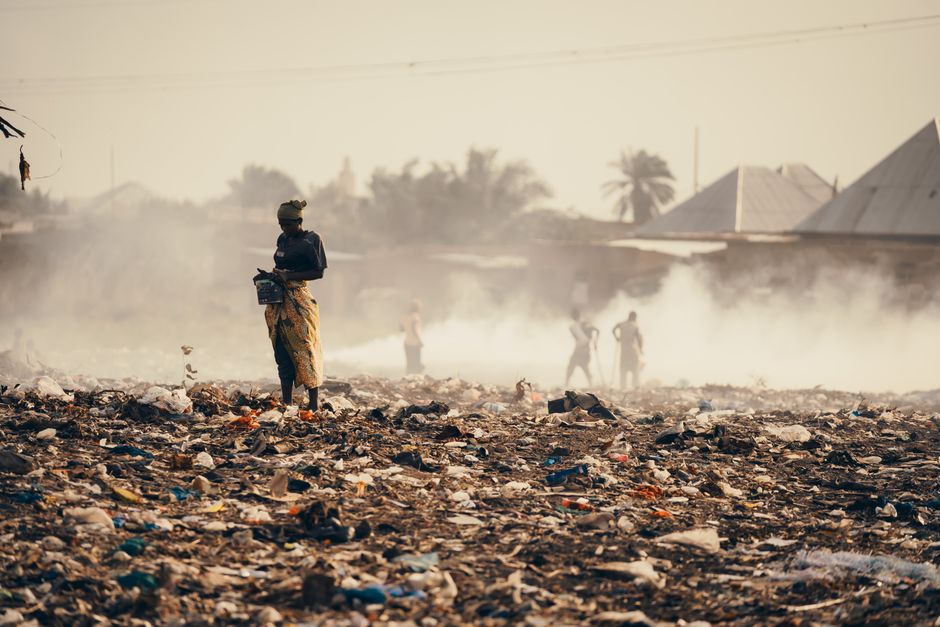
Mexico sits at the meeting point of two oceans, two continents, and some of the most varied terrain on Earth. That geography gives the country deserts, cloud forests, mangroves, coral reefs, and high-altitude pine forests — all within its borders. Human activities have reshaped every one of these systems. The biggest pressures come from land clearing, rapid and often unplanned urban growth, industrial and agricultural pollution, water extraction, and a changing climate.
How Does Deforestation Change Mexico’s Landscapes?
Mexico loses forest cover every year, and the causes are well documented. Clearing for cattle pasture is a major driver, especially in the tropical south. So is conversion of land to grow crops like avocado, agave, and soy. Illegal logging adds pressure in some regions, though its exact share of total loss is debated among researchers.
The Yucatán Peninsula, the Chiapas highlands, and parts of the Sierra Madre have all seen significant forest loss. When trees come down, the consequences go beyond losing shade and habitat.
Forests hold soil in place. Remove them and heavy rain washes topsoil into rivers and reservoirs. That silt can smother coral reefs and seagrass beds downstream. It also reduces the land’s ability to absorb rainfall, which raises flood risk in low-lying areas.
Forests also store carbon. When they are cleared and burned, that carbon enters the atmosphere as carbon dioxide. Mexico is among the countries with the highest rates of deforestation in Latin America, though estimates of annual loss vary by year and by how “forest” is defined.
Some clearing is driven by poverty and land tenure issues rather than large industry alone. Smallholders may clear land to farm because they lack other reliable income. That makes deforestation as much an economic and social problem as an environmental one.
What Does Urban Growth Do to Mexico’s Air and Water?
Mexico City, Monterrey, and Guadalajara are among the largest metro areas in the Americas. Their growth has outpaced the infrastructure needed to support them. The results show up in air quality, water supply, and waste management.
Air pollution in Mexico City has improved compared with the 1980s and 1990s, when ozone and lead levels were severe. Leaded gasoline was phased out, and that made a measurable difference. But ozone and fine particulate matter still exceed health-based limits on many days.
The main sources are motor vehicles, industry, and in some areas, open burning. Geography makes it worse. Mexico City sits in a high valley surrounded by mountains, which traps pollutants and limits how quickly they disperse.
Water is a separate problem. Mexico City and its surrounding area draw heavily on groundwater. As aquifers are pumped faster than they recharge, the ground itself sinks — a process called subsidence. Parts of the city have sunk by several meters over the past century. That sinking damages infrastructure and drainage, which makes flooding worse when heavy rain arrives.
Many cities also struggle with wastewater treatment. Untreated or partially treated sewage can enter rivers and lakes, carrying pathogens and nutrients that harm aquatic life and create health risks for nearby communities.
How Do Agriculture and Industry Affect Mexico’s Water and Soil?
Agriculture uses the large majority of Mexico’s freshwater. In the arid north, irrigation supports crops in regions that receive little rain. That dependence on irrigation puts pressure on rivers and aquifers, some of which are being drawn down faster than they refill.
Fertilizers and pesticides applied to fields can run off into waterways. Excess nitrogen and phosphorus feed algal blooms. When those blooms die and decompose, they strip oxygen from the water, creating dead zones where fish and shellfish cannot survive.
Industry adds its own load. Mining, manufacturing, and oil operations can release heavy metals, hydrocarbons, and other contaminants. The 2014 spill into the Sonora River, linked to a copper mine, is one well-documented example of how a single industrial accident can affect water supplies for many communities.
Soil erosion is another concern. When land is cleared and planted without practices that hold soil in place, rain and wind carry topsoil away. That reduces fertility over time and pushes sediment into rivers and coastal waters.





What Is Happening to Mexico’s Coasts and Oceans?
Mexico has coastlines on the Pacific, the Gulf of California, the Gulf of Mexico, and the Caribbean. These waters support fisheries, tourism, and some of the most biologically rich reefs in the Americas.
Coastal development has removed mangroves in many places. Mangroves act as nurseries for fish, buffer against storm surge, and trap carbon. When they are cut for hotels, shrimp farms, or housing, those services disappear.
Coral reefs face multiple stresses at once. Warmer ocean temperatures cause bleaching, where corals expel the algae that feed them. Pollution and sediment runoff weaken reefs further. Overfishing removes species that help keep reef ecosystems balanced.
The Gulf of California, sometimes called the Sea of Cortez, is one of the most productive marine regions in the world. It has also been heavily fished. Some species, including the vaquita — a small porpoise found nowhere else — have declined to critically low numbers, largely because of gillnets set for other species.
How Is Climate Change Affecting Mexico?
Mexico is exposed to climate change on several fronts. Rising temperatures shift where crops can grow and increase heat stress in cities. Changes in rainfall patterns affect both farming and water supply.
Drought has become more severe in northern Mexico. Reservoirs in states like Nuevo León have dropped to low levels in recent years, forcing water restrictions in cities such as Monterrey. Whether any single drought is caused by climate change is a question scientists answer case by case, but the broader trend toward hotter, drier conditions in some regions is consistent with warming.
On the coasts, stronger storms and rising sea levels threaten low-lying areas. Hurricanes can cause sudden, severe damage, while gradual sea-level rise erodes beaches and pushes saltwater into freshwater supplies.
Mexico’s location between two oceans means it is hit by storms from both the Atlantic and the Pacific. That double exposure makes coastal planning especially difficult.
What Are the Main Sources of Mexico’s Greenhouse Gas Emissions?
Mexico’s emissions come mostly from burning fossil fuels for energy and transportation, with additional contributions from agriculture, land-use change, and waste.
- Energy and transport: vehicles, power plants, and industry burning oil, gas, and coal.
- Land-use change: deforestation and forest fires releasing stored carbon.
- Agriculture: livestock producing methane, plus emissions from fertilizer use.
- Waste: decomposing organic material in landfills releasing methane.
Mexico has committed under international agreements to reduce its emissions, and it has expanded renewable energy in some regions. Progress has been uneven, and the gap between pledged targets and actual reductions remains a subject of debate among analysts.
Are There Signs of Improvement?
Some indicators have moved in a positive direction. The phase-out of leaded gasoline reduced lead exposure measurably. Air quality monitoring in major cities is more extensive than it once was. Mexico has protected a large share of its territory in national parks, biosphere reserves, and other conservation areas.
Community-managed forests in some regions have slowed deforestation. In parts of Oaxaca and the Yucatán, local and Indigenous communities have used sustainable forestry and tourism to create income from standing forest rather than cleared land. These efforts are not universal, and their long-term results vary.
Still, the overall picture is mixed. Improvements in one area are often offset by pressures in another. Urban expansion continues. Demand for water keeps rising. And climate change adds stress to systems that were already strained.
Why Does This Matter Beyond Mexico?
Mexico’s environmental health matters far beyond its borders. The country is a major source of agricultural exports, so changes in its water and soil affect food supplies elsewhere. Its forests and oceans store carbon that influences the global climate. Its reefs and mangroves support biodiversity found in few other places.
What happens in Mexico is also a case study in how geography, economics, and policy interact. Many of the pressures the country faces — rapid urbanization, agricultural water use, deforestation driven by poverty and demand — appear in other nations too. Understanding them in one place can inform how they are addressed in others.
Frequently Asked Questions
What is the biggest environmental problem in Mexico?
There is no single biggest problem, but deforestation, water scarcity, and air pollution in major cities are among the most significant. Each interacts with the others, which makes them hard to address separately.
Is Mexico’s air quality getting better or worse?
Air quality in Mexico City has improved since the 1980s and 1990s, largely because leaded gasoline was phased out. However, ozone and fine particulate matter still exceed health-based limits on many days.
How does deforestation in Mexico affect the rest of the world?
Cleared and burned forests release carbon dioxide, which contributes to global climate change. Mexico’s forests also support species and ecosystems found in few other places.
What is causing water shortages in northern Mexico?
Drought, heavy irrigation demand, and groundwater pumping that exceeds natural recharge all contribute. Some reservoirs in the north have dropped to low levels in recent years.
