
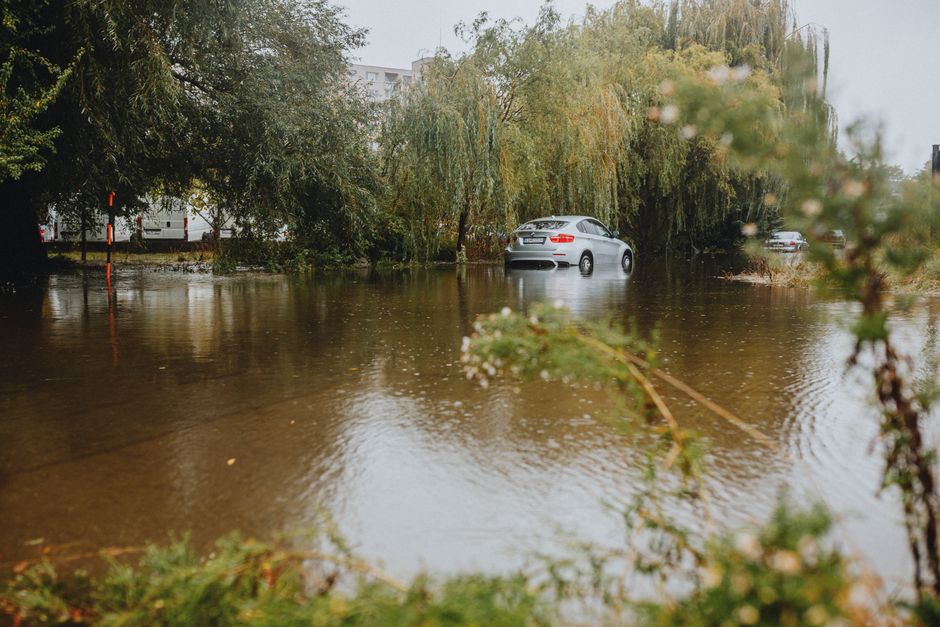
Floods reshape landscapes in hours and leave marks that last for years. They carry soil, sewage, chemicals, and debris into rivers and oceans, and they force wildlife to flee, adapt, or die. The effects reach far beyond the flooded streets people see on the news.
Flooding is the most common natural disaster in the United States, according to the National Weather Service. Its environmental footprint depends on how much water moves, how fast, and what that water picks up along the way. A slow river flood and a flash flood are not the same event, and they do not cause the same damage.
How Do Floods Affect The Environment And Wildlife?
Floods affect the environment by moving massive amounts of water, sediment, and pollutants across the land. They erode soil, destroy vegetation, and wash contaminants into waterways. Wildlife faces drowning, displacement, and habitat loss. Some species rebound quickly. Others do not recover for years.
The scale of damage depends on several factors. Water depth and speed matter. So does the season. A flood during nesting season kills eggs and young that cannot escape. A flood in winter may cause less direct mortality but still destroys dens and burrows.
Water quality is one of the most immediate casualties. Floodwater mixes with agricultural runoff, industrial chemicals, and raw sewage from overwhelmed treatment systems. This contaminated water flows into rivers, lakes, and coastal waters. Fish kills often follow. Algal blooms can develop when nutrient-rich runoff enters slow-moving water.
Sediment is not always harmful. Natural floods deposit nutrient-rich silt on floodplains, which can support plant growth later. The problem is when human infrastructure changes the equation. Dams, levees, and channelized rivers prevent natural sediment distribution. When a levee fails, the release is sudden and destructive rather than gradual and restorative.
What Happens to Wildlife During a Flood?
Wildlife responds to floods in three ways: they flee, they shelter in place, or they die. Which option is available depends on the species and the warning time.
Large mammals like deer and bears usually move to higher ground. Birds fly away. Mobile species have the best survival odds. The animals that suffer most are those with limited movement: small rodents, ground-nesting birds, amphibians, reptiles, and insects.
Burrowing animals face a particular problem. Their underground shelters fill with water. Groundhogs, moles, and rabbits can drown in their burrows if flooding is sudden. Amphibians are somewhat better adapted because many species can survive brief submersion. But fast-moving floodwater still kills them.
Aquatic species face different pressures. Fish can be swept downstream into unfamiliar territory. Some end up stranded in isolated pools when floodwater recedes. These trapped fish die when the pools dry out or when oxygen levels drop. Floods also push saltwater into freshwater systems during coastal storms, which can kill freshwater fish and plants that cannot tolerate salinity.
There is one counterintuitive effect. Some fish species actually benefit from floods. Flooded floodplains create temporary spawning habitat. In rivers with intact floodplains, native fish populations often spawn successfully after moderate floods. This benefit disappears when levees cut rivers off from their floodplains.
How Do Floods Damage Soil and Vegetation?
Floodwater strips topsoil from fields and riverbanks. Topsoil is the nutrient-rich upper layer that supports most plant life. When it washes away, what remains is often compacted, low in organic matter, and slow to recover.
Erosion is the visible damage. The less obvious problem is what the water leaves behind. Flood deposits can smother existing vegetation under layers of sand or silt. Plants that cannot push through the sediment die. This changes which species grow in an area for years afterward.
Contamination adds another layer. When floodwater carries industrial chemicals or sewage onto farmland, those substances can persist in the soil. Heavy metals do not break down. They accumulate. Crops grown on contaminated soil can take up these metals, which creates food safety concerns.
Vegetation recovery varies widely. Grasses and fast-growing plants may return within a single growing season. Trees take much longer. Root damage from saturated soil can kill mature trees months after the flood itself. Forest ecosystems may shift toward species that tolerate wetter conditions.
Wetland vegetation is a special case. Many wetland plants are adapted to periodic flooding. They have hollow stems that allow oxygen to reach submerged roots. For these species, flooding is normal. The damage comes when floods are more frequent or more severe than the plants evolved to handle.
What Are the Long-Term Effects on Ecosystems?
Ecosystem recovery after a flood follows no fixed timeline. Some systems return to their previous state within a year. Others shift permanently to a different state.
The difference often comes down to whether the flood was within the range the ecosystem evolved to handle. Rivers flood naturally. Floodplains are built by floods. When flooding stays within historical patterns, ecosystems recover because they are adapted to it.
Problems arise when floods are more severe, more frequent, or carry contaminants that were not present historically. In those cases, recovery can take decades or may not happen at all.
Species composition can change permanently. If a flood kills a dominant tree species and the area floods again before seedlings establish, a different species may take over. This is called a regime shift. It is not always reversible.
Invasive species often benefit from floods. They tend to be fast-growing and tolerant of disturbed conditions. Native species that are slower to recover may lose ground. After major floods, land managers sometimes report increased spread of invasive plants along waterways.
Coastal ecosystems face additional pressure. Saltwater intrusion during storm surges can kill freshwater marshes. Some of these marshes convert to open water and never return to their previous state. This is a particular concern in areas where sea levels are rising, because the combination of flooding and higher baseline water levels makes recovery harder.
Does Flooding Have Any Environmental Benefits?
Yes. Flooding is a natural process that many ecosystems depend on. The problem is not flooding itself. The problem is flooding that is altered by human development.
Floodplains are among the most productive ecosystems on Earth. They support high biodiversity because periodic flooding delivers nutrients, creates varied habitats, and connects rivers to their surrounding land. When rivers are disconnected from their floodplains by levees, this productivity declines.
Flood pulses trigger spawning in many fish species. They also recharge groundwater, which supports wetlands and streams during dry periods. In some regions, seasonal flooding is essential for the survival of native plant communities.
Sediment deposition builds land. River deltas are formed by repeated flooding over thousands of years. When sediment is trapped behind dams or diverted by flood control structures, deltas can sink and erode. This is happening in the Mississippi River Delta and in deltas worldwide.
The key distinction is between floods that stay within natural channels and floodplains, and floods that are amplified by paving, deforestation, and poor drainage. The first type supports ecosystems. The second type damages them.
How Does Floodwater Pollution Affect Fish and Aquatic Life?
Floodwater carries whatever it picks up. That includes agricultural fertilizers, pesticides, oil, heavy metals, and pathogens from sewage. When this mixture enters rivers and lakes, aquatic life suffers.
Nutrient pollution is one of the most common problems. Nitrogen and phosphorus from farm runoff feed algal blooms. When the algae die, bacteria decompose them and consume oxygen from the water. This creates hypoxic zones where fish and shellfish cannot survive. The Gulf of Mexico dead zone is a large-scale example of this process, though it is driven by year-round runoff, not just floods.
Pathogens from sewage can cause disease in fish and other aquatic animals. Some of these pathogens can also affect humans who swim in or eat from contaminated waters.
Sediment itself can be harmful when it settles on riverbeds. It smothers insect larvae and the eggs of fish that spawn on gravel. It clogs the gills of filter-feeding organisms. When sediment loads are very high, entire invertebrate communities can be wiped out.
Recovery depends on how long the contamination lasts. A single flood may cause short-term damage that clears within weeks. Repeated flooding in the same area can cause cumulative damage that takes much longer to reverse.
Frequently Asked Questions
Do floods help any animals?
Some fish species benefit when floods reconnect rivers to floodplains, creating spawning habitat. Floods also deposit nutrients that support the food web in wetlands and floodplain ecosystems.
How long does it take for wildlife to recover after a flood?
Recovery time varies widely by species and ecosystem. Mobile animals often return within days or weeks, while slow-reproducing species and damaged habitats may take years or decades to recover.
What is the biggest environmental threat from floods?
Water quality degradation from pollution and sediment is the most widespread problem. Floodwater carries contaminants into waterways, which can kill fish and harm drinking water sources.
Can floods cause permanent damage to ecosystems?
Yes, especially when floods are more severe or more frequent than an ecosystem evolved to handle. Invasive species, saltwater intrusion, and loss of topsoil can cause lasting changes that may not reverse.
