
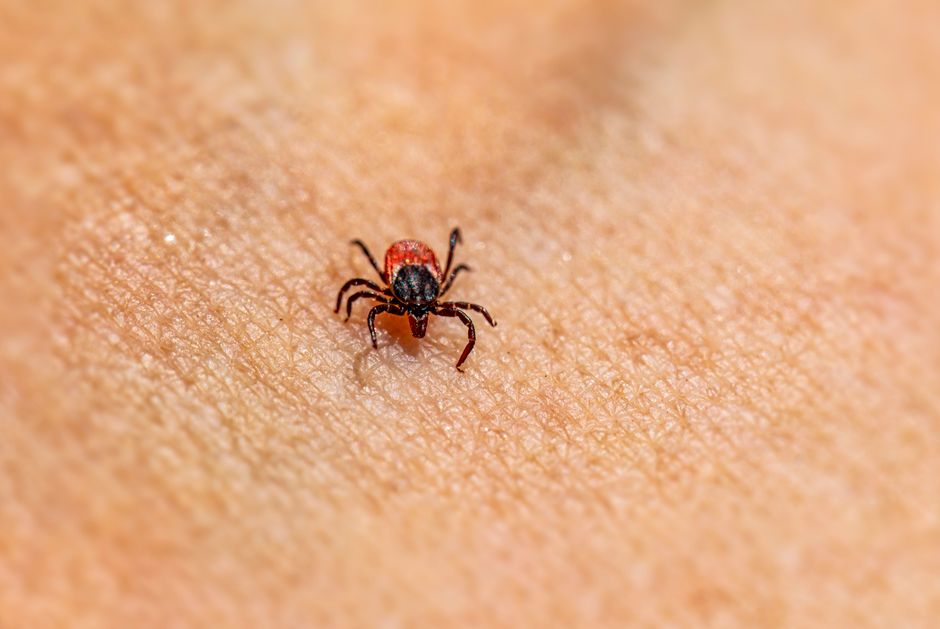
Flea bites are small, red, raised spots that often appear in clusters or straight lines, most commonly on the ankles and lower legs. They look like tiny dots surrounded by a reddish halo, and they itch intensely. Unlike mosquito bites which are usually isolated and random, flea bites tend to group together in patterns of three or four, which is a key clue for identification.
What Do Flea Bites Actually Look Like?
Flea bites are typically very small — often smaller than a pencil eraser. They appear as tiny, dark red dots that may have a lighter red or pink ring around them. In medical terms, these are small papules, which are firm, raised areas of skin.
The most distinctive feature is the pattern. Fleas do not bite one at a time. They bite several times in one area. This creates a line of three or four bites, sometimes called “breakfast, lunch, and dinner.” You may also see random clusters rather than a straight line, but multiple bites in a small area is the norm.
Within a few hours, the bites become swollen and itchy. If you scratch them, they can become larger, more inflamed, and may develop a crust. In people with sensitive skin, the bites can turn into small blisters or larger welts that look similar to hives.
Where Do Flea Bites Usually Appear on the Body?
Fleas are weak jumpers relative to human height. They typically reach the lower parts of the body first. The most common bite locations are the ankles, feet, and lower legs.
However, the location depends on how you encountered the fleas. If you sat on an infested couch or carpet, bites may appear on your thighs, buttocks, or lower back. If you held an infested pet, bites may appear on your forearms or hands. Fleas target warm, moving areas of the body, so they rarely bite the face or scalp in adults.
Children are an exception. Because they are shorter and often play on the floor, children may get flea bites on their hands, arms, and even their faces. A child with bites on the lower legs and arms who has been playing on a carpeted floor is a common scenario for flea exposure.
Flea Bites vs. Bed Bug Bites vs. Mosquito Bites
Flea bites are frequently confused with bed bug bites and mosquito bites. There are clear differences once you know what to look for.
Mosquito bites are usually single, isolated bumps. They are often larger and puffier than flea bites. Mosquito bites appear on any exposed skin, not just the lower legs. They also have a more random distribution — one on the arm, one on the neck, one on the leg — rather than clustered groups.
Bed bug bites are the most commonly confused with flea bites. Both can appear in lines or clusters. However, bed bug bites often appear on areas of skin exposed while sleeping — the face, neck, arms, and hands. Flea bites are far more common on the lower legs. Bed bug bites also tend to be slightly larger and may take longer to become itchy, sometimes up to a day or more.
There is one important clue that separates fleas from bed bugs: the presence of a pet. Fleas almost always come from an animal source. If you have a dog or cat that goes outdoors, fleas are far more likely than bed bugs. If you have no pets and the bites are on your upper body after sleeping, bed bugs become a stronger possibility.





How Long Do Flea Bites Last?
Individual flea bites typically heal within 7 to 14 days. The intense itching usually subsides within the first 48 hours if you do not scratch. The red mark may persist for a week or more as the skin repairs itself.
Scratching changes the timeline. Broken skin takes longer to heal and carries a risk of bacterial infection. If a bite becomes infected, it may last several weeks and require medical treatment. Signs of infection include increasing redness, warmth, swelling, pain, or yellow discharge from the bite.
Some people develop a delayed reaction to flea saliva. The bite may look relatively mild for the first day, then become more swollen and itchy on the second or third day. This is a normal immune response, not a sign that the bite is getting worse.
What to Do If You Have Flea Bites
The first step is to stop the itching. Washing the area with soap and water removes dirt and bacteria from the skin surface. Applying a cold compress for 10 to 15 minutes can reduce swelling and numb the area.
Over-the-counter options include oral antihistamines, which reduce the allergic response causing the itch. Topical hydrocortisone cream (1%) can also reduce inflammation. Calamine lotion is a mild option that works for some people, though it is less effective than hydrocortisone for flea bites specifically.
Do not scratch. This is the single most important piece of advice. Scratching breaks the skin and opens the door to infection. Keep fingernails short and consider covering the bites with a bandage if you scratch in your sleep.
If the itching is severe or the bites are widespread, a doctor may prescribe a stronger topical steroid or an oral prescription antihistamine. These are not needed for most cases but can provide significant relief for people with strong reactions.
How to Get Rid of Fleas in Your Home
Treating the bites is only half the problem. If you are getting bitten indoors, fleas are living in your environment. You must eliminate the fleas or the bites will continue.
Start with your pets. Any dog or cat with fleas needs treatment from a veterinarian. Over-the-counter flea medications vary in effectiveness, and some are not safe for all animals. A veterinarian can recommend the right product for your pet’s species, weight, and health status.
Next, vacuum thoroughly. Fleas lay eggs in carpets, upholstery, and pet bedding. Vacuuming removes eggs, larvae, and adult fleas. Pay special attention to areas where pets sleep and along baseboards. Empty the vacuum bag or canister immediately after use — fleas can survive inside a vacuum and re-infest your home.
Wash all bedding, pet bedding, and removable upholstery covers in hot water. The heat kills fleas at all life stages. Dry them on the highest heat setting the fabric allows.
For severe infestations, professional pest control may be necessary. A licensed exterminator can apply treatments that target fleas at every life stage. This is often the fastest and most reliable solution for a heavy infestation.
Are Flea Bites Dangerous?
For most healthy adults, flea bites are a nuisance, not a medical emergency. The primary risks are infection from scratching and, in rare cases, an allergic reaction.
Fleas can transmit diseases in some parts of the world. Historically, fleas were the vector for bubonic plague, and they still carry the bacteria in some regions. In the United States, flea-borne diseases are rare but do occur. Murine typhus and cat scratch disease are the most commonly reported flea-associated illnesses in the U.S. today.
Tapeworm infection is a rare risk, primarily in children. A child can ingest a flea carrying tapeworm eggs, usually by putting a hand in their mouth after touching an infested pet. This is uncommon but worth knowing if you have young children and a pet with fleas.
If you develop a fever, headache, or body aches along with flea bites, seek medical attention. These symptoms are not typical of a simple flea bite reaction and may indicate a secondary infection or a flea-borne illness.
When to See a Doctor
Most flea bites do not require medical care. You should see a doctor if the bites show signs of infection — increasing pain, redness spreading beyond the bite, warmth, or pus. A doctor should also evaluate bites that do not heal within two weeks.
Seek immediate care if you experience signs of a severe allergic reaction. These include difficulty breathing, swelling of the lips or face, dizziness, or a rapid heartbeat. Severe allergic reactions to flea bites are rare but possible.
If you have a known allergy to insect bites or a history of severe reactions, discuss a plan with your doctor before you encounter fleas. An allergist can provide guidance on emergency medication if needed.
Frequently Asked Questions
Can flea bites look like a rash?
Yes, when multiple flea bites are close together, the area can look like a patchy red rash rather than individual bites. The rash is actually many individual bite marks clustered so tightly that they blend together.
Do flea bites itch more at night?
Itching often feels worse at night because cortisol levels drop and you have fewer distractions. The bites themselves do not change, but your perception of the itch intensifies.
How can I tell if my pet brought fleas into the house?
Look for excessive scratching, biting, or licking in your pet, especially around the tail base and hind legs. You may also see small black specks (flea dirt) in your pet’s fur — these are flea feces and confirm the presence of fleas.
Can fleas live on humans?
No, fleas do not live on humans. They prefer animal hosts with fur or feathers. Fleas will bite humans for a blood meal but will not stay on the body — they jump off and hide in carpets, bedding, or furniture.
