
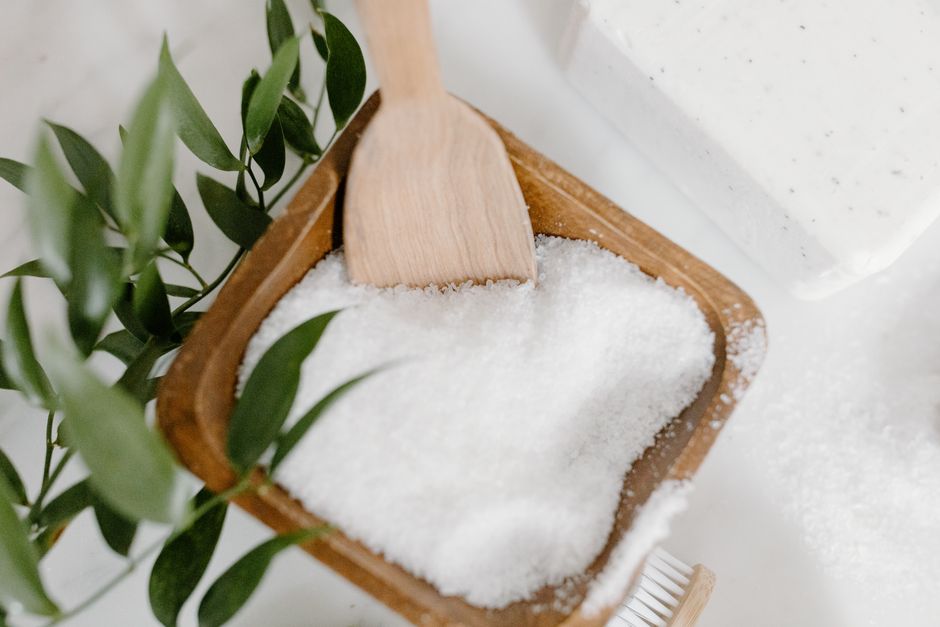
Epsom salts are more than just a bath additive. When you dissolve them in warm water, they release magnesium and sulfate ions. Soaking in this solution is widely believed to relax muscles, ease aches, and reduce stress. However, how much magnesium actually absorbs through your skin is still debated. The warm water itself does most of the work. Some evidence suggests small amounts of magnesium may enter the body, but the main benefit likely comes from the simple act of soaking in warm, mineral-rich water. This article explains what we know, what we do not, and how to use Epsom salts safely.
How Do Epsom Salts Actually Work?
Epsom salts are a compound called magnesium sulfate heptahydrate. When you add them to warm water, they dissolve and separate into magnesium ions and sulfate ions. The theory is that these ions pass through your skin and enter your bloodstream. Once inside, magnesium may help reduce inflammation, relax muscles, and calm the nervous system. Sulfate may help flush toxins and support joint health.
But here is the honest part: the evidence for skin absorption is mixed. Some small studies suggest that magnesium levels in the blood and urine can increase after a bath with Epsom salts. Other research finds no significant change. The scientific community has not reached a firm consensus. What is clear is that warm water alone relaxes muscle tension, improves blood flow, and lowers stress hormones. So even if the magnesium does not absorb deeply, the bath itself provides real benefits.
What Does the Science Say About Magnesium Absorption?
A frequently cited study from 2006, published in the Journal of the American College of Nutrition, measured magnesium levels in blood and urine after Epsom salt baths. It reported that participants had increased magnesium levels. However, the study was small and had no control group. Later reviews have pointed out these limitations. Some researchers argue that any increase could come from drinking bath water or from magnesium on the skin being measured in the lab, not from true transdermal absorption.
Other studies using different magnesium compounds (such as magnesium chloride in lotions) have shown that skin application can raise tissue magnesium levels under certain conditions. But these studies were not specifically done with Epsom salts or under bath conditions. The bottom line: absorption is possible but not proven to be meaningful for most people. The benefits you feel from an Epsom salt bath are likely a combination of the warm soak, the placebo effect, and possibly a small amount of absorbed magnesium.
What Are the Reported Benefits of Epsom Salt Baths?
People use Epsom salts for many reasons. The most common include:
- Muscle soreness and recovery – Athletes often soak after exercise. The warm water and magnesium may reduce inflammation and ease cramps.
- Stress relief – A warm bath is known to lower cortisol levels. Magnesium also plays a role in calming the nervous system.
- Sleep improvement – Magnesium helps regulate melatonin and GABA, both involved in sleep. A warm bath before bed can promote drowsiness.
- Constipation relief – Taken orally (not as a bath), Epsom salts are a laxative. Never drink them without medical guidance.
- Minor skin conditions – Some people find that Epsom salt soaks help with insect bites, splinters, or minor sunburn. The effect is likely due to the salt drawing out fluid and reducing swelling.
For most of these uses, the evidence comes from personal reports and small studies rather than large clinical trials. The benefits are real for many people, even if the mechanism is not fully proven.





How to Use Epsom Salts for Best Results
To get the most from an Epsom salt bath, follow these practical tips:
- Use about 2 cups (roughly 500 grams) of Epsom salts in a standard‑sized bathtub filled with warm water. The water should be comfortably warm, not hot, to avoid skin irritation or dehydration.
- Dissolve the salts fully before getting in. Stir the water with your hand to help them dissolve. Crystals left on the skin can cause irritation.
- Soak for no more than 15–20 minutes. Longer soaks can dry out your skin or cause over‑absorption of magnesium, leading to side effects like dizziness or nausea.
- After the bath, rinse off with fresh water to remove any salt residue. Pat dry and moisturize your skin.
- If you have sensitive skin, open cuts, or a known allergy to sulfates, do a patch test first or skip the bath.
For localized aches (like a sore ankle or hand), you can soak just that body part in a basin with a smaller amount of Epsom salts — about half a cup per gallon of water.
Are There Any Risks or Side Effects?
For most healthy adults, occasional Epsom salt baths are safe. But there are important cautions:
- Skin irritation – People with eczema or very dry skin may find Epsom salts drying or irritating. Rinse thoroughly afterward.
- Dehydration – Soaking in hot water for long periods can make you feel lightheaded. Drink water before and after your bath.
- Magnesium excess – While rare from baths, it is possible if you have kidney problems. Your kidneys normally remove excess magnesium. If your kidneys are compromised, magnesium can build up and cause serious side effects like irregular heartbeat or breathing difficulty.
- Oral ingestion – Swallowing Epsom salts as a laxative should only be done under a doctor’s supervision. Taking too much can cause severe diarrhea, electrolyte imbalance, and even magnesium poisoning.
- Pregnancy – Most doctors consider moderate Epsom salt baths safe during pregnancy, but check with your obstetrician first. Do not take them orally while pregnant.
If you have a chronic health condition, especially kidney disease or heart problems, talk to your doctor before using Epsom salts.
When Should You See a Doctor Instead?
Epsom salt baths are a home remedy, not a replacement for medical treatment. If you have persistent muscle pain, swelling, or joint stiffness that does not improve, see a healthcare provider. Similarly, if you experience numbness, tingling, or severe fatigue, these could be signs of a magnesium deficiency or another medical issue requiring proper diagnosis. Do not rely on baths to treat underlying conditions.
Frequently Asked Questions
Can you absorb enough magnesium from an Epsom salt bath to correct a deficiency?
No. The evidence does not support using Epsom salt baths to treat magnesium deficiency. Blood tests are the only reliable way to check your levels, and oral supplements or dietary changes are the recommended approach.
How often should you take an Epsom salt bath?
Most people can safely take an Epsom salt bath 2–3 times per week. Soaking more often may dry out your skin. Listen to your body and adjust frequency as needed.
Do Epsom salts expire?
Epsom salts do not expire. They are a mineral compound and remain effective indefinitely as long as they stay dry and free of contaminants. Store them in a sealed container in a cool, dry place.
Can you use Epsom salts in a hot tub or jacuzzi?
No. Epsom salts may damage the plumbing and filters of hot tubs and jacuzzis. They can also foam excessively due to the jets. Stick to a regular bathtub.
