
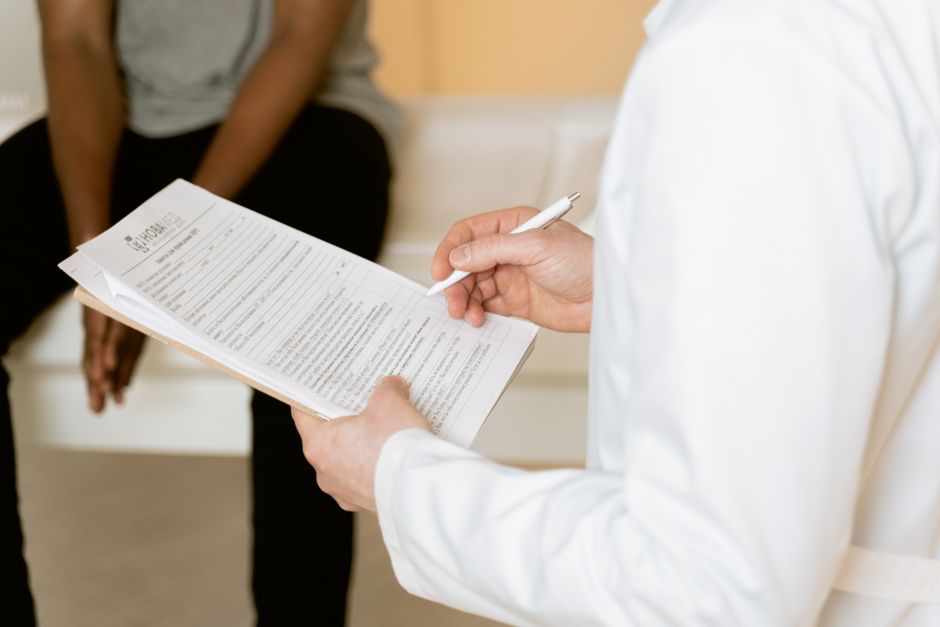
You have a cough that just won’t quit. You’re tired, maybe a little warm, but not sick enough to stay in bed. This dragging, low-grade illness is what people often call walking pneumonia. So how do doctors test for walking pneumonia? The short answer: there is no single test that gives a yes or no answer in the exam room. Doctors usually combine a careful history, a physical exam, and sometimes a chest X-ray or a lab test to piece the diagnosis together.
That surprises many people. You might expect a simple swab or blood draw that confirms it on the spot. In reality, walking pneumonia is often a clinical diagnosis. That means the doctor’s judgment, based on your symptoms and exam, matters as much as any test result.
What Is Walking Pneumonia, Exactly?
Walking pneumonia is a casual name, not a formal medical diagnosis. It describes a milder form of pneumonia where people feel unwell but can still function, work, and go about their day. The formal term doctors use is atypical pneumonia, and the most common cause is a bacterium called Mycoplasma pneumoniae.
Classic pneumonia, often caused by Streptococcus pneumoniae, tends to hit hard and fast. You get a high fever, shaking chills, and feel genuinely awful. Walking pneumonia tends to build slowly over days or weeks. The symptoms are milder, and that’s exactly why it can be easy to miss or mistake for a bad cold.
Here’s a detail many people don’t know: because Mycoplasma doesn’t have a cell wall, it doesn’t respond to the penicillin-type antibiotics used for typical pneumonia. That’s one reason identifying the likely cause matters. It also explains why a doctor’s suspicion of atypical pneumonia can change the treatment plan.
How Do Doctors Test For Walking Pneumonia?
Doctors diagnose walking pneumonia by combining several pieces of information rather than relying on one test. The process usually starts with questions and a physical exam, then moves to imaging or lab work if the picture is unclear or the illness is more serious.
This step-by-step approach exists for a good reason. No single rapid test is both widely available and reliable enough to be used alone in a typical clinic visit. So doctors build a case from multiple clues.
The medical history
The doctor asks about the pattern of your symptoms. How long have you been coughing? Is it dry or bringing up mucus? Have you had a fever, and how high? Are you short of breath? A gradual onset over one to three weeks, a persistent dry cough, and feeling tired but not severely ill all point toward atypical pneumonia.
The physical exam
Next comes the stethoscope. The doctor listens to your lungs while you breathe. In typical pneumonia, they often hear crackles or diminished breath sounds in one area. In walking pneumonia, the exam can be surprisingly normal, or the doctor may hear scattered sounds that don’t fit neatly into one spot. A normal-sounding chest exam does not rule pneumonia out.
The doctor also checks your temperature, breathing rate, and oxygen level. A pulse oximeter clipped to your finger measures how much oxygen your blood is carrying. This is a simple, painless way to see whether your lungs are doing their job.
Chest X-ray
A chest X-ray is the most common imaging test. It can show patches of inflammation in the lungs, which helps confirm pneumonia and can help distinguish it from other causes of a lingering cough, like bronchitis. That said, X-ray findings in walking pneumonia can be subtle, and sometimes the X-ray looks less dramatic than the symptoms would suggest.
Blood tests
Blood tests are used more selectively. A complete blood count can show whether your white blood cells are elevated, which hints at infection. There are also specific tests for Mycoplasma, including tests that look for the body’s immune response (antibodies) and tests that detect the bacterium’s genetic material. These are not routine in every case. Antibody tests in particular can be tricky, because they may not turn positive until weeks into the illness, and they can’t always separate a current infection from a past one.
Sputum and swab tests
If you’re coughing up mucus, the doctor may send a sample to the lab to look for bacteria. A nasal or throat swab can also be tested for certain respiratory germs. These tests are more likely when someone is sick enough to need hospital care, or when the cause matters for treatment decisions.
Why Isn’t There One Simple Test?
The honest answer is that the tests we have each come with limits. Rapid tests for Mycoplasma are not available everywhere, and their accuracy varies. Antibody tests depend on timing, and the immune response takes time to develop. Culture tests, where a lab tries to grow the bacterium, can take weeks and are not practical for guiding treatment in real time.
Because of this, many clinicians treat based on the overall picture rather than chasing a definitive lab result. If your symptoms, exam, and X-ray all fit atypical pneumonia, a doctor may make the diagnosis and start treatment without ever confirming the exact organism. This is common clinical practice, though it is worth knowing that it rests on judgment as much as on a single test.
How Does This Compare to Regular Pneumonia Testing?
Typical pneumonia can sometimes be confirmed more directly. Because Streptococcus pneumoniae and similar bacteria grow more readily in lab conditions, tests can be more informative. But even then, doctors frequently diagnose and treat pneumonia based on symptoms, exam, and X-ray rather than waiting for a lab result.
The table below shows the general differences in how the two are typically approached.
| Feature | Walking (Atypical) Pneumonia | Typical Pneumonia |
|---|---|---|
| Common cause | Mycoplasma pneumoniae | Streptococcus pneumoniae |
| Onset | Gradual, over days to weeks | Often sudden |
| Typical symptoms | Persistent dry cough, mild fever, fatigue | High fever, chills, productive cough |
| Lung exam findings | Often normal or scattered | Often localized crackles |
| Response to penicillin-type antibiotics | Not effective | Often effective |
This is a general guide, not a rulebook. Real cases don’t always fit neatly into one column, and the overlap between the two can be significant.
When Should You See a Doctor?
See a doctor if a cough lingers for more than a couple of weeks, if you develop a fever, or if you feel short of breath. Get urgent care if you have trouble breathing, chest pain, confusion, or lips that look blue or gray. These are signs of a more serious problem and should not wait.
Walking pneumonia can usually be managed at home, but it is not always harmless. Some people develop complications, and serious cases do occur. If your symptoms are getting worse instead of better, that’s a reason to check in, not to wait it out.
What Happens After the Diagnosis?
If a doctor suspects walking pneumonia, treatment often involves antibiotics from a class that works against atypical bacteria, because the usual penicillin-type drugs don’t target Mycoplasma. Rest, fluids, and fever reducers can help with symptoms. Most people improve over time, though a cough can linger for weeks after the infection clears.
It’s worth being clear about one thing: this article is informational and not a substitute for medical advice. Only a clinician who examines you can decide what testing and treatment are right for your situation.
Frequently Asked Questions
Can walking pneumonia be diagnosed with a blood test?
Blood tests can support the diagnosis, but they are not always definitive. Antibody tests may not turn positive until weeks into the illness, and they can’t reliably separate a current infection from a past one.
Does a normal chest X-ray mean I don’t have walking pneumonia?
No. X-ray findings in walking pneumonia can be subtle, and a normal-looking X-ray does not rule it out. Doctors often rely on symptoms and exam findings alongside imaging.
How long does it take to get walking pneumonia test results?
It depends on the test. X-ray results are usually available within hours to a day, while some specialized lab tests can take several days. Antibody tests may take longer to be useful because of timing.
Do I need a test to start treatment for walking pneumonia?
Not always. Many clinicians diagnose based on symptoms, exam, and X-ray, then start treatment without confirming the exact organism. This is common practice, though it relies on clinical judgment.
