

If your foot is tingling, burning, or going numb, your doctor will want to know exactly where the issue starts. Tarsal tunnel syndrome is a compression of the tibial nerve as it passes through a narrow space on the inside of the ankle. To test for it, doctors combine a physical exam, specific nerve tests, and often imaging to rule out other causes. The diagnosis is not made with a single blood test or scan; it relies on a careful clinical assessment and electrodiagnostic studies to confirm the nerve is actually compressed.
What Happens During the Physical Exam?
The physical exam is always the first step. Your doctor will ask about your symptoms, when they started, and what makes them worse. Standing for long periods, walking, or wearing tight shoes often aggravate tarsal tunnel syndrome, while rest may bring relief.
The doctor will press along the inside of your ankle, just behind the bony bump called the medial malleolus. This area is the tarsal tunnel. If pressing here reproduces your tingling or numbness, it is a strong clue. Doctors call this a positive Tinel’s sign.
They will also check your foot and ankle strength, sensation, and reflexes. This helps rule out other nerve problems, such as a pinched nerve in your lower back, which can cause very similar symptoms.
How Do Doctors Test For Tarsal Tunnel Syndrome Using Nerve Conduction Studies?
Nerve conduction studies are the most objective way to confirm the diagnosis. This test measures how fast electrical signals travel down your nerve. In tarsal tunnel syndrome, the signal slows down as it passes through the compressed area of the ankle.
During the test, small electrodes are placed on your skin. A mild electrical pulse is sent along the nerve, and sensors record the response. It is slightly uncomfortable but not painful. The test compares the nerve’s speed in your affected foot to the other foot or to established normal values.
A related test called electromyography (EMG) is often done at the same time. A thin needle is inserted into small muscles of the foot to check their electrical activity. If the nerve has been compressed for a long time, the muscles may show signs of damage. Together, these tests give a clear picture of whether the tibial nerve is truly compressed and how severe the problem is.
These tests are not perfect. Some people with clear symptoms have normal nerve studies, and some people with abnormal studies have no symptoms. Doctors treat the results as one piece of the puzzle, not the whole answer.
What Imaging Tests Are Used?
Imaging helps doctors see what is pressing on the nerve. A plain X-ray of the ankle is often the first imaging test ordered. It will not show the nerve itself, but it can reveal bone spurs, arthritis, or old fractures that might be narrowing the tunnel.
Ultrasound is increasingly used because it is quick and inexpensive. A technician moves a handheld device over your ankle to create real-time images. Ultrasound can show thickening of the nerve, fluid around it, or masses like cysts or varicose veins pressing on it. It also lets the doctor press on the area while watching the nerve on screen, which can reproduce symptoms.
Magnetic resonance imaging (MRI) provides the most detailed pictures of soft tissues. It can clearly show tumors, ganglion cysts, swollen tendons, or scar tissue inside the tarsal tunnel. MRI is especially helpful when the diagnosis is unclear or when surgery is being considered, because the surgeon needs to know exactly what is compressing the nerve.




Why Is the Differential Diagnosis Important?
Tarsal tunnel syndrome is often overdiagnosed. Many other conditions cause burning, tingling, or numbness in the foot, and they require completely different treatment.
A pinched nerve in the lower back, specifically the L5 or S1 nerve roots, is the most common mimic. The symptoms can feel identical, but the problem is in the spine, not the ankle. A careful exam of your back and legs helps separate these.
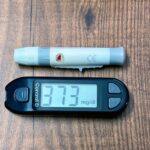
Peripheral neuropathy from diabetes is another common cause of foot burning and numbness. Unlike tarsal tunnel syndrome, which usually affects one foot, diabetic neuropathy typically affects both feet in a stocking-like pattern. Blood tests for diabetes and vitamin B12 deficiency are often ordered to rule these out.
Plantar fasciitis causes heel pain, not numbness, but people sometimes confuse the two. A Morton’s neuroma causes pain between the toes. Even simple issues like poorly fitting shoes can cause temporary tingling.
This is why a thorough workup matters. Treating the wrong condition wastes time and delays real relief.
What Is the Diagnostic Criteria for Tarsal Tunnel Syndrome?
There is no single universally accepted set of criteria for tarsal tunnel syndrome. Most specialists agree the diagnosis requires a combination of findings rather than any one test.
Typical symptoms include burning pain, tingling, or numbness along the bottom of the foot and sometimes into the toes. Symptoms are often worse with standing or walking and relieved by rest. The physical exam may show a positive Tinel’s sign over the tarsal tunnel. Nerve conduction studies, when abnormal, provide strong confirmation.
If imaging shows a clear cause of compression, such as a cyst or a varicose vein, the diagnosis becomes much more certain. But in many cases, no obvious structural cause is found. The nerve is simply compressed without a visible reason. In these situations, the diagnosis rests on the pattern of symptoms and physical findings.
When Are Additional Tests Needed?
Sometimes the standard workup does not give a clear answer. In these cases, doctors may order a selective nerve block. A small amount of numbing medication is injected near the tibial nerve at the ankle. If your symptoms temporarily disappear, it strongly suggests the nerve is the source of the problem. If the injection does not help, the diagnosis becomes less likely.
Blood tests are commonly ordered to check for conditions that mimic tarsal tunnel syndrome. A fasting blood glucose test checks for diabetes. Thyroid function tests and vitamin B12 levels can identify other causes of neuropathy. These are simple blood draws but essential for ruling out systemic disease.
In rare cases where the diagnosis remains unclear after all testing, a doctor may refer you to a neurologist or an orthopedic foot and ankle specialist. These specialists have the most experience with nerve disorders of the foot and can offer a second opinion on complex cases.
What Happens After the Diagnosis?
Treatment depends on the underlying cause. If a cyst or tumor is pressing on the nerve, surgery to remove it is often the first choice. If no structural cause is found, conservative treatment usually starts first.
Rest, ice, and anti-inflammatory medications may reduce swelling around the nerve. Orthotic shoe inserts can change how your foot lands and reduce pressure on the tarsal tunnel. Physical therapy focusing on foot and ankle mobility is often helpful. Some doctors recommend wearing a night splint to keep the ankle in a neutral position while sleeping.
If conservative treatment fails after several months, surgery to release the tarsal tunnel is an option. The surgeon cuts the ligament that forms the roof of the tunnel, giving the nerve more room. Surgery is generally effective, but not everyone gets complete relief. Nerve damage that has been present for a long time may not fully reverse.
Frequently Asked Questions
Is tarsal tunnel syndrome painful?
Yes, it typically causes burning pain, tingling, or numbness along the bottom of the foot. The pain is often worse with standing, walking, or wearing tight shoes.
Can a blood test diagnose tarsal tunnel syndrome?
No, no blood test can diagnose tarsal tunnel syndrome directly. Blood tests are used to rule out other conditions like diabetes or vitamin deficiency that cause similar symptoms.
How long does a nerve conduction test take?
A nerve conduction study of the foot usually takes about 30 to 60 minutes. The test is mildly uncomfortable but generally well tolerated.
Do I need surgery for tarsal tunnel syndrome?
Not necessarily. Many people improve with rest, orthotics, physical therapy, and anti-inflammatory medication. Surgery is usually considered only after several months of conservative treatment fails.
