

If you are worried that mold in your home is making you sick, the first thing to understand is what a doctor can and cannot test for. There is no single blood test that confirms mold exposure or proves that mold is causing your symptoms. Instead, doctors rely on a combination of your history, a physical exam, allergy testing, and sometimes lab work to build a picture. The tests they choose depend on what symptoms you have and what they suspect is going on.
How Do Doctors Test For Mold Exposure?
Doctors do not test directly for “mold exposure” as a standalone diagnosis. What they actually evaluate is your body’s response to mold and whether your symptoms match a known condition.
In practice, this usually means a few steps:
- Asking detailed questions about your home, workplace, water damage, and when symptoms started
- Checking your nose, throat, lungs, and skin during a physical exam
- Ordering allergy testing if allergy is suspected
- Running blood or breathing tests if asthma or another lung condition is possible
Mold is common indoors and outdoors. Finding mold in your environment does not automatically mean it is the cause of your symptoms. The goal is to connect the dots between exposure and a specific, diagnosable condition.
What Symptoms Usually Prompt Mold Testing?
Mold does not produce a unique set of symptoms. The complaints people bring to a doctor are the same ones caused by many other things.
Common reasons people seek evaluation include:
- Runny or stuffy nose, sneezing, itchy eyes
- Wheezing, coughing, or shortness of breath
- Skin rash or itching
- Headaches or fatigue
These symptoms overlap heavily with seasonal allergies, colds, asthma, and other conditions. That overlap is exactly why a doctor cannot diagnose mold exposure from symptoms alone. The pattern matters. Symptoms that ease when you leave a building and return when you come back are a clue, but they are not proof.
Some people report symptoms they attribute to mold that are not well explained by known allergy or lung mechanisms. The evidence that mold causes a distinct multi-symptom illness beyond allergy and asthma is limited and debated. Doctors generally approach these complaints by ruling out conditions they can confirm first.
Allergy Testing: Skin Prick and Blood Tests
Allergy testing is the most direct way to check whether your immune system reacts to mold. Two methods are common.
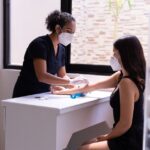
Skin prick testing is done in a clinic. A small amount of mold allergen is placed on your skin, and the surface is pricked lightly. If you are allergic, a raised, itchy bump appears within about 15 to 20 minutes. This test is quick and results are read the same day.
Specific IgE blood testing measures antibodies in your blood that respond to mold allergens. It does not require pricking the skin and can be done if you have certain skin conditions or take medications that interfere with skin testing.
Both tests identify sensitivity to specific mold types. There is an important limitation. A positive test means your immune system recognizes that mold. It does not prove that mold in your current home is the cause of your symptoms. Many people test positive to mold allergens without ongoing problems.
Testing is usually ordered when allergy is genuinely suspected based on your history and exam, not as a routine screen for everyone worried about mold.



Can Blood Tests Confirm Mold Exposure?
No standard blood test confirms mold exposure. This is one of the most misunderstood points.
Some commercial labs market blood or urine tests that claim to measure “mold toxins” or mycotoxins in the body. The available evidence does not support using these tests to diagnose mold-related illness. Results are difficult to interpret, reference ranges are not well established, and a positive result does not reliably connect to symptoms or to a specific exposure. Major allergy and immunology organizations have not endorsed these tests for routine diagnosis.
If a provider offers mycotoxin testing as the basis for a diagnosis, it is reasonable to ask what the result would change about your care. In many cases, the honest answer is not much.
Standard blood work may still be useful, but for other reasons. A complete blood count or inflammatory markers can help rule out other conditions. They do not diagnose mold exposure.
Lung and Breathing Tests
If you have coughing, wheezing, or shortness of breath, your doctor may check your lungs.
Spirometry measures how much air you can breathe out and how fast. It is used to diagnose asthma and other lung conditions. Mold can trigger asthma in sensitive people, but asthma has many triggers.
Your doctor may also consider whether your symptoms fit asthma, allergic rhinitis, or another respiratory condition. The mold question becomes part of a broader evaluation rather than the whole picture.
What About Testing Your Home Instead?
When people ask how doctors test for mold exposure, they often really want to know if the mold in their home is a problem. That is a different question, and it is usually answered by looking at the building, not the person.
Home mold testing kits that measure airborne spores are widely sold. Their value is limited. Spores are present in nearly every indoor and outdoor environment, and a single air sample is hard to interpret. The presence of mold spores does not by itself establish a health risk.
What matters more is visible mold, musty odors, and known water damage or dampness. If you can see mold or smell it, the practical step is to fix the moisture source and remove the mold, regardless of what a test kit says. A doctor cannot inspect your home, and a home test cannot diagnose your body.
Why There Is No Simple Mold Test
The reason no single test exists comes down to how mold affects people.
Mold can cause health effects through more than one route. Allergic reactions are the best understood. In people with asthma, mold can trigger flare-ups. Some people develop a rare condition called hypersensitivity pneumonitis after heavy or repeated exposure. These are different problems with different diagnostic paths.
There is also no agreed threshold for how much mold exposure causes harm. People respond differently. Two people in the same damp house may have very different reactions. Because there is no clean line between exposure and illness, there is no clean test to draw it.
This is why evaluation focuses on the condition your symptoms match, not on mold itself. If you have allergic rhinitis, that is what gets diagnosed and treated. If you have asthma, that is the target. Mold may be one contributing factor among several.
What to Bring to Your Appointment
You can make your visit more useful by preparing ahead.
- Note when symptoms started and whether they change with location
- Describe any water damage, leaks, or musty smells at home or work
- List your medications and any allergy history
- Track whether symptoms improve when you are away from a certain building
This information helps your doctor decide which tests, if any, are worth doing. It also helps avoid tests that are unlikely to change your care.
The Bottom Line on Mold Testing
Doctors test for mold exposure indirectly. They look for allergy, asthma, and other conditions that mold can trigger or worsen. Skin prick and specific IgE blood tests can show whether you are sensitive to mold allergens. There is no reliable blood or urine test that confirms mold exposure or mold toxicity.
If you are concerned, start with your symptoms and your environment. A doctor can help sort out what is diagnosable and treatable. Fixing moisture and mold in your home addresses the source, which is often the most concrete step you can take.
Frequently Asked Questions
Is there a blood test that confirms mold exposure?
No standard blood test confirms mold exposure. Some commercial labs sell mycotoxin tests, but the evidence does not support using them to diagnose mold-related illness.
How do doctors test for mold allergy?
They use skin prick testing or specific IgE blood testing to check whether your immune system reacts to mold allergens. A positive result shows sensitivity, not that mold in your home is causing your symptoms.
Can mold make you sick even if allergy tests are negative?
Mold can trigger asthma in some people, and heavy exposure has been linked to a rare lung condition. But if allergy and lung tests are normal, the evidence connecting mold to ongoing symptoms is limited.
Should I test my home for mold?
Home test kits have limited value because mold spores are nearly everywhere. Visible mold, musty odors, and water damage are more useful signs that you should fix the moisture problem.
