
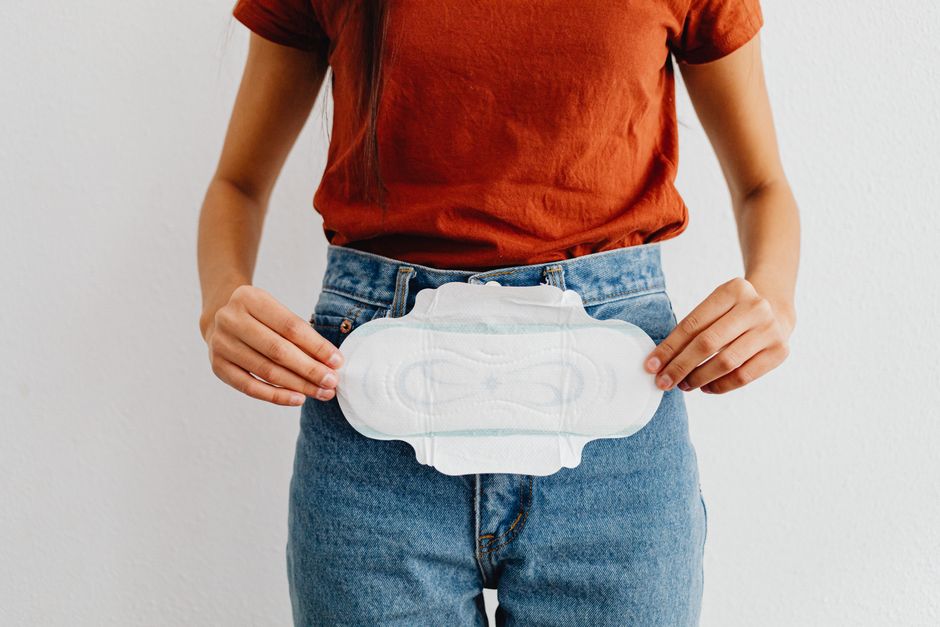
Most people never think about what happens inside a diaper until they need one — for themselves or someone they care for. A disposable brief like Depends is built from several thin layers pressed together, and each layer has one job: move liquid away from skin, hold it in place, and keep the surface feeling dry. The absorbency comes from a mix of wood pulp fluff and a superabsorbent polymer that can soak up many times its own weight in urine.
Understanding those layers helps you choose the right product and use it correctly. It also explains why two diapers that look identical on the shelf can perform very differently.
What Are the Layers Inside a Depends Brief?
A disposable brief is a stack of materials bonded together, and each layer handles a different part of the job. From the inside (touching skin) to the outside (touching clothing), the structure is fairly consistent across brands.
The topsheet is the layer against the skin. It is usually made of a nonwoven fabric designed to let liquid pass through quickly while feeling soft and dry. Some topsheets are treated so liquid moves in one direction and resists flowing back.
Below that sits the acquisition and distribution layer, sometimes called the ADL. Its job is to pull liquid away from the point of contact and spread it sideways across the pad. Without this layer, urine would pool in one spot and overwhelm the core.
The absorbent core is the heart of the product. It contains fluff pulp — processed wood fiber — mixed with superabsorbent polymer (SAP). The pulp gives the core structure and wicks liquid along; the SAP does the actual trapping.
A backsheet forms the outer waterproof barrier. It is typically a thin plastic film or a cloth-like laminate that keeps moisture from reaching clothing or bedding. Many products also include leg cuffs or elastic gathers to block side leaks, plus a wetness indicator strip on some models that changes color when the brief is soiled.
How Do Depends Work Layers Fit Absorbency?
Absorbency is not one property — it is the result of how these layers cooperate. A brief can hold a large total volume yet still leak if the liquid cannot reach the core fast enough.
The topsheet controls the intake rate: how fast liquid enters the pad. The ADL controls distribution: how evenly that liquid spreads. The core controls storage: how much liquid it can lock away and how tightly it holds it under pressure.
This is why a diaper’s stated capacity and its real-world performance can differ. Capacity is often measured by soaking the pad in a set volume of saline and weighing it. But in real use, urine arrives in bursts, sometimes quickly, and the wearer is sitting or lying on the pad, which squeezes it. A pad that holds a lot when flat may release some liquid back to the skin when compressed.
Superabsorbent polymer is the key material here. It is a network of long polymer chains that can absorb water and urine and hold it inside the structure, swelling as it does. The polymer is a powder that becomes a gel, and it can absorb many times its own weight. This is the same class of material used in some baby diapers and in certain medical dressings.
Fluff pulp supports the SAP by giving it a scaffold and helping liquid travel through the core. Too little pulp and the SAP gel can block flow; too much pulp and the pad becomes bulky without holding more liquid. Manufacturers tune this ratio, which is a big reason absorbency varies between products.
Why Does the Wetness Indicator Change Color?
Many Depends and similar briefs include a strip that shifts from yellow to blue or green when wet. It is a simple pH or moisture-sensitive strip built into the backsheet, visible through the clothing side of the pad.
The indicator is a convenience, not a measurement. It tells you that some liquid has reached that part of the pad — it does not tell you how full the brief is, and it may not change if only a small amount of urine is present at a different spot. Caregivers often use it as a cue to check, not as proof the brief needs changing right away.
Skin health matters more than the indicator. Urine and feces left against skin can irritate it and, over time, contribute to breakdown. Checking and changing based on comfort and skin condition is more reliable than waiting for a color change.





What Determines How Much a Brief Can Hold?
Stated absorbency on packaging usually reflects a laboratory measure, and it is often higher than what a person can realistically use. Real capacity depends on several factors.
- Amount and speed of urine — a sudden large void is harder to absorb than slow trickling.
- Body position — sitting and lying down put pressure on the pad, which can push liquid back toward the skin.
- Fit — gaps at the legs or waist let liquid escape before it reaches the core.
- Product design — more SAP and a well-tuned ADL generally mean better performance under load.
- Time worn — even a high-capacity brief has limits, and skin needs regular checks.
This is why absorbency levels are usually described in relative terms — light, moderate, heavy, overnight — rather than a single number you can trust in every situation. A brief rated for heavy use may still need changing more often if the wearer voids large amounts at once.
Do More Layers Always Mean More Absorbency?
No. Adding layers can help, but the wrong combination can hurt. A thicker pad is not automatically more absorbent, and a thin pad is not automatically weak.
What matters is how the layers work together. A product with a high-SAP core and an efficient distribution layer can outperform a bulkier pad built mostly from pulp. Thickness often reflects how much fluff pulp is present, and pulp holds less liquid per gram than SAP does.
There is also a trade-off with comfort and discretion. Thicker products can be more noticeable and warmer to wear, which some people find uncomfortable. For many users, the goal is the thinnest product that reliably handles their output — which is why matching the absorbency level to actual need matters more than buying the highest number on the shelf.
What Should You Look For When Choosing a Brief?
Match the product to the situation rather than to the biggest number. A brief designed for overnight use has different demands than one for light daytime leakage.
Check the absorbency level on the package and compare it to how much the person typically voids and how often they can be changed. Fit matters as much as capacity: a brief that gaps at the legs will leak even if the core is strong. Look for leg cuffs, a snug but not tight waist, and a size that follows the manufacturer’s measurement guide rather than clothing size.
For anyone with limited mobility or skin that is fragile, more frequent checks and changes are generally more important than a higher-capacity product. If skin becomes red, broken, or painful, that is a reason to seek medical advice rather than simply switching products. Persistent skin problems in this area can have several causes, and a clinician can help sort out which one applies.
It also helps to know that “absorbency” and “leak protection” are related but not identical. A brief can absorb a large volume and still leak through a poor seal at the leg. The layers control what happens inside the pad; the fit controls what happens at the edges.
Frequently Asked Questions
What is inside a Depends brief that absorbs liquid?
The absorbent core contains fluff pulp mixed with superabsorbent polymer, a powder that turns into a gel and holds many times its own weight in urine. The surrounding layers move liquid into that core and keep it from reaching clothing.
Do thicker diapers absorb more?
Not necessarily. Thickness often reflects more fluff pulp rather than more superabsorbent polymer, and polymer holds far more liquid per gram than pulp does. A thinner pad with a well-designed core can outperform a bulkier one.
Why does my brief leak even though it says heavy absorbency?
Leaks usually come from fit problems, fast urine flow that outpaces the intake layer, or pressure on a full pad rather than from a lack of total capacity. Checking the leg seal and changing sooner often helps more than switching to a higher absorbency level.
How often should a Depends brief be changed?
There is no single schedule that fits everyone. Change when the brief is soiled, when skin is at risk, or as directed by a clinician or care plan, since urine and feces left against skin can cause irritation.
