
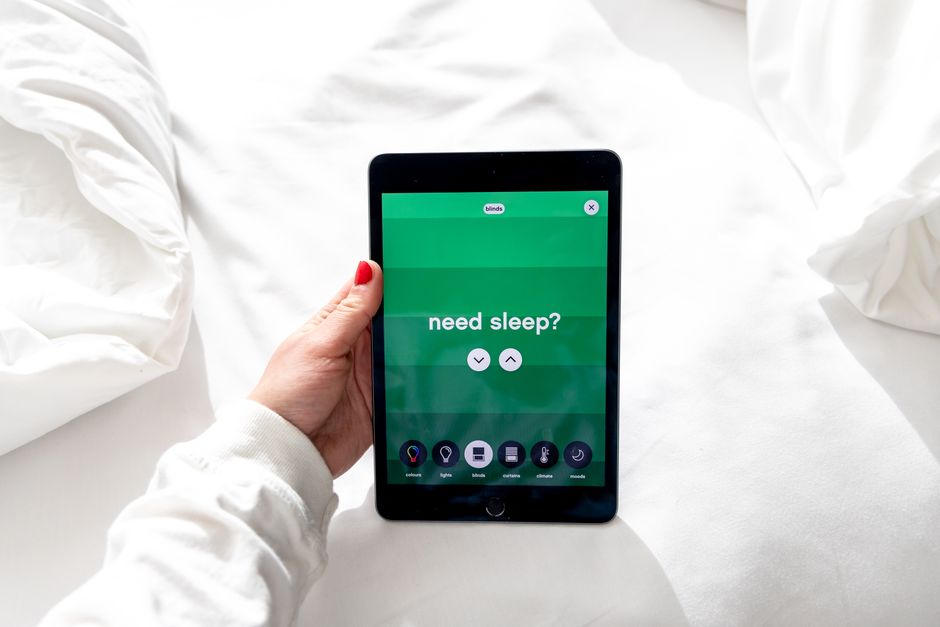
Circadian rhythm apps are software tools that use your phone to estimate your body clock’s timing and then suggest when to sleep, wake, eat, and get light. Most work from a mix of self-reported sleep and wake times, device activity, and sometimes heart rate data. They do not measure your circadian rhythm directly. No consumer app can do that from a phone alone.
How Do Circadian Rhythm Apps Actually Work?
They build a model of your internal clock from a handful of inputs, then translate that model into timing advice.
The core inputs usually include your sleep and wake times, your chronotype (whether you lean morning or evening), and sometimes your light exposure or activity patterns. Some apps ask you a short questionnaire about when you naturally feel tired or alert. Others pull step counts, screen time, or heart rate from a wearable.
From that data, the app estimates something called circadian phase. That is the timing of your internal rhythms relative to the clock on the wall. Your core body temperature dips to its lowest point in the early morning hours for most people, and your melatonin release typically begins in the evening. These are markers of where your body clock sits.
Once the app has an estimate, it produces recommendations. Common ones include:
- When to seek bright light in the morning
- When to dim lights or avoid screens at night
- Suggested sleep and wake windows
- Timing for meals, caffeine, or exercise
The accuracy of these suggestions depends heavily on the quality of the input. A phone that sits on a nightstand tracking your steps and screen use is not measuring your melatonin or your core temperature. It is making an educated guess.
What Can a Phone Actually Measure?
A phone can measure movement, screen use, and the times you pick it up or put it down. That is about it on its own.
Accelerometers in phones and wearables can detect motion and infer likely sleep periods. This is called actigraphy. Research has found actigraphy reasonably good at distinguishing sleep from wake in many people, though it tends to overestimate sleep in people who lie still while awake. It does not measure sleep stages reliably.
Heart rate sensors on wearables add another signal. Heart rate drops during sleep and shows some circadian variation across the day. This can improve estimates somewhat. But heart rate is affected by stress, caffeine, illness, and exercise, so it is not a clean readout of your body clock.
What no consumer phone or watch measures directly is melatonin onset, core body temperature rhythm, or gene expression cycles. Those are the gold-standard markers researchers use in sleep labs. Measuring them requires blood draws, saliva samples, or specialized equipment.
So the app is not reading your circadian rhythm. It is inferring it from proxies. That distinction matters for how much weight you give the output.
How Accurate Are the Predictions?
Accuracy varies widely, and the evidence base is thin.
Some studies have compared app or wearable estimates of circadian phase against lab measures like dim light melatonin onset. Results have been mixed. Some algorithms perform reasonably well in controlled settings. Others show meaningful error, sometimes off by an hour or more.
The problem is that most of these tools have not been validated in large, diverse groups. A tool tested in young healthy adults may not work the same way in shift workers, older adults, or people with sleep disorders. Validation studies are often small and conducted by the same researchers who built the algorithm.
There is also a practical issue. The app only knows what you tell it or what your device detects. If you have an irregular schedule, travel often, or work nights, the model can drift out of sync with your actual biology.
None of this means the apps are useless. It means the output is an estimate, not a measurement. Treat it as a rough guide, not a lab result.




What Is the Evidence That These Apps Help?
Direct evidence that circadian apps improve sleep or health outcomes is limited.
The interventions they recommend are grounded in real science. Light exposure in the morning and dim light in the evening do shift circadian timing. That is well established. Timed light is used in clinical settings for conditions like delayed sleep phase disorder.
What is less established is whether an app delivering that advice produces the same benefit as a clinician delivering it. Few large randomized trials have tested consumer circadian apps against meaningful outcomes like sleep quality, mood, or metabolic markers. Most studies are small, short, or measure things like user engagement rather than health results.
There is a gap between the science of circadian rhythms and the science of apps that claim to apply it. The underlying biology is solid. The evidence that a specific app improves your health is often absent.
That does not make the advice wrong. Morning light and consistent sleep timing are generally reasonable. But the app is not adding proven magic on top of basic sleep hygiene.
Where Do These Apps Get Their Recommendations?
Most draw on established circadian science, then simplify it into rules.
The underlying principles come from decades of research on how light, timing, and behavior affect the body clock. Key concepts include:
- Light is the strongest signal. Bright light in the morning advances your clock, making you sleepy earlier. Light at night delays it.
- Timing matters more than duration. When you get light or eat can matter as much as how much.
- Consistency stabilizes the clock. Regular sleep and wake times help keep rhythms aligned.
Apps take these principles and turn them into personalized schedules. The logic is sound. The personalization is where uncertainty creeps in, because it depends on how well the app knows your actual phase.
Some apps also incorporate chronotype questionnaires. These have been studied and do correlate with real circadian differences, but they are coarse. They tell you whether you lean morning or evening, not exactly when your melatonin rises.
What Should You Realistically Expect?
You can expect general guidance, not precision timing.
A circadian app might help you notice patterns. It might nudge you toward more consistent sleep times or more morning light. Those are reasonable goals. If the app makes you more aware of your habits, that has value.
What it likely will not do is pinpoint your biological night with accuracy, replace a sleep clinician, or fix a genuine circadian disorder on its own. Conditions like delayed sleep phase disorder, shift work disorder, and non-24-hour sleep-wake disorder are real diagnoses that often need professional assessment. An app is not a diagnosis.
If you have persistent sleep problems, talk to a doctor. Apps can support good habits. They are not a treatment.
Are There Risks to Using Them?
The main risk is misplaced trust.
If you treat an app’s estimate as fact, you might make changes that do not fit your actual biology. You might also delay seeking help for a real sleep disorder because you assume the app has it handled.
There is also the issue of data. These apps collect sensitive information about your sleep, activity, and sometimes heart rate. How that data is stored and shared varies by company. It is worth checking before you commit.
None of this is dangerous in the way a bad medication is. But it is worth being clear-eyed. An app is a tool with limits. Knowing those limits helps you use it well.
Do You Need an App to Support Your Circadian Rhythm?
No. The basics do not require software.
Getting bright light in the morning, keeping consistent sleep and wake times, dimming lights in the evening, and avoiding late caffeine are all things you can do without an app. These are the same behaviors most apps recommend. The app packages them and adds timing suggestions.
For some people, that packaging helps. A reminder or a schedule can make good habits easier to keep. For others, it adds complexity without much benefit.
If your schedule is regular and your sleep is fine, an app may not add much. If you are trying to shift your timing, travel across time zones, or work irregular hours, a structured tool might help you organize the changes. Even then, the evidence that it works better than a simple plan is thin.
Frequently Asked Questions
Can a circadian rhythm app measure my body clock directly?
No. Consumer apps estimate circadian phase from proxies like sleep times, movement, and heart rate. Direct measurement requires lab tests such as melatonin sampling or core body temperature tracking.
Are circadian rhythm apps accurate?
Accuracy varies, and validation studies are limited. Some algorithms perform reasonably well in controlled settings, but errors of an hour or more have been observed, and most tools have not been tested in large diverse groups.
Do circadian rhythm apps actually improve sleep?
Direct evidence is limited. The behaviors they recommend, like morning light and consistent timing, are supported by circadian science, but few large trials have shown that using a specific app improves sleep or health outcomes.
Can I support my circadian rhythm without an app?
Yes. Morning light, consistent sleep and wake times, dim evening light, and avoiding late caffeine are the core habits most apps recommend. You can follow them without software.
