
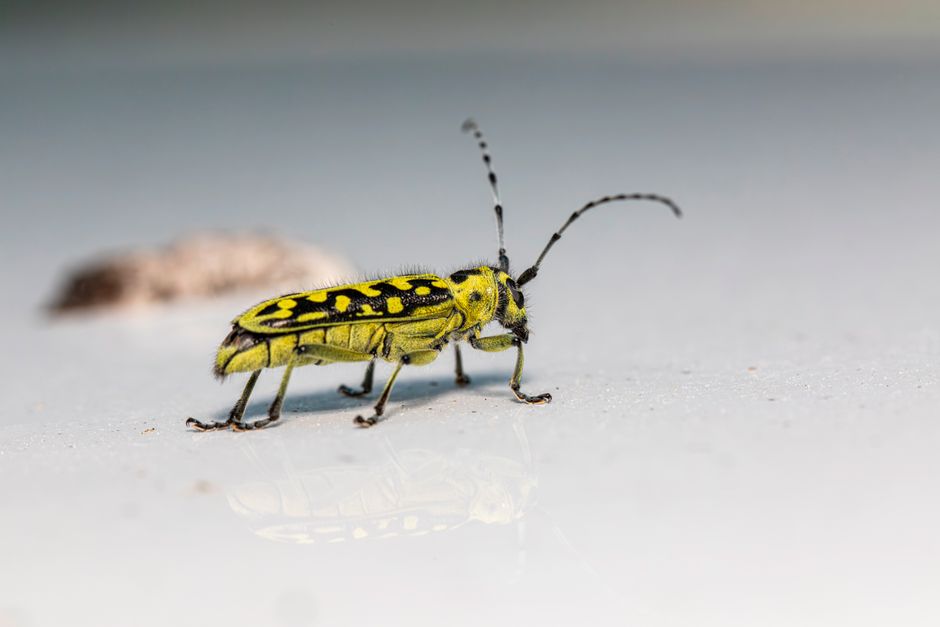
When people ask how do bugs move, they usually mean one of two things: how germs spread from person to person, or how insects and other small creatures get around. Both questions matter for your health. Germs move through the air, on surfaces, in water, and through contact with living things. Insects move using wings, legs, and body shapes built for travel. Understanding these paths is one of the most practical things you can do to protect yourself and your family.
How Do Germs Move From Person to Person?
Most infectious diseases spread through a small number of well-understood routes. Knowing them helps you see where the real risks are.
Respiratory droplets and aerosols carry viruses and bacteria out of the nose and mouth when a person breathes, talks, coughs, or sneezes. Larger droplets fall to the ground within a few feet. Smaller particles, called aerosols, can stay suspended in the air longer and travel farther. This is how influenza, the virus that causes COVID-19, and the common cold spread.
Direct and indirect contact is the second major route. Some germs pass through skin-to-skin contact, such as touching, kissing, or sexual contact. Others hitch a ride on hands and objects. You touch a contaminated doorknob, then touch your eyes, nose, or mouth. That is how many respiratory and gastrointestinal infections begin.
Fecal-oral transmission happens when tiny amounts of fecal material reach the mouth. This sounds unlikely, but it is common where sanitation is poor or when hands are not washed after using the bathroom or changing a diaper. Organisms like norovirus and certain bacteria spread this way.
Body fluids including blood, saliva, and semen can carry pathogens such as HIV and hepatitis B and C. These do not spread through casual contact. They require direct exposure to infected fluid.
One clarification worth knowing: a surface does not need to look dirty to carry germs. Many pathogens are invisible. That is why handwashing matters even when your hands appear clean.
How Do Germs Move Through the Air?
Airborne transmission happens when tiny infectious particles stay aloft and are inhaled. This is different from the heavy droplets that fall quickly to the ground.
When a person exhales, they release a range of particle sizes. The largest ones drop within a few feet. The smallest can drift across a room and remain suspended for minutes to hours, depending on ventilation. Measles and tuberculosis are classic examples of diseases that spread this way. Some respiratory viruses also spread through the air, though how much they rely on this route compared with larger droplets varies by pathogen.
Ventilation matters more than most people realize. Outdoor air and good airflow dilute infectious particles. Crowded indoor spaces with poor ventilation allow them to build up. This is why the same virus can spread easily in a packed room and rarely in a well-ventilated one.
Air currents, humidity, and temperature all affect how long particles stay infectious. Cold, dry air tends to help many respiratory viruses survive longer, which is one reason respiratory infections peak in winter.
How Do Germs Move on Surfaces and Objects?
Germs can land on surfaces and stay there for a period of time. The length depends on the organism, the surface material, temperature, humidity, and exposure to sunlight.
Hard, non-porous surfaces like stainless steel and plastic tend to hold germs longer than porous materials like fabric or paper. But even on hard surfaces, most respiratory viruses lose infectivity over hours to days. Some bacteria, including certain strains that cause foodborne illness, can survive much longer.
The key point is that touching a contaminated surface does not automatically make you sick. The germ has to reach a place where it can enter your body, usually your eyes, nose, mouth, or a break in your skin. That is why hand hygiene interrupts so many chains of infection.
Cleaning with soap or detergent removes germs and the oils and dirt they cling to. Disinfecting kills them. Both have a role, but cleaning is often the first step because it physically removes the contamination.





How Do Insects and Bugs Move Around?
Insects move using three basic systems: legs for walking and jumping, wings for flying, and body movements for swimming or crawling. Their small size and lightweight bodies let them travel in ways larger animals cannot.
Walking and running. Most insects have six legs. The tripod gait, where three legs touch the ground at once while the other three step forward, gives them stability and speed. Cockroaches can move very quickly relative to their body size.
Jumping. Fleas and grasshoppers store energy in their leg muscles and release it suddenly, launching themselves many times their own body length. This helps them escape predators and find new hosts.
Flying. Insects with wings, including mosquitoes, flies, and bees, can travel through the air. Their wings beat rapidly and generate lift in ways that differ from bird flight. Some species migrate long distances.
Crawling and swimming. Larvae and some aquatic insects move through water using body undulations or paddle-like legs. Ticks and mites crawl rather than fly, which is why they tend to wait on vegetation for a host to brush past.
Insects also move by hitching rides on people, animals, and goods. This is how some species spread to new regions. Bed bugs, for example, travel in luggage and on furniture rather than flying.
How Do Insects Spread Disease to Humans?
Some insects act as vectors, meaning they carry a pathogen from one host to another. The insect itself is not sickened. The germ simply uses the insect as transport.
Mosquitoes transmit malaria, dengue, Zika, and West Nile virus, among others. Ticks transmit Lyme disease and other infections. Fleas historically spread plague. These diseases are not spread by casual contact with the insect. They require a bite or, in some cases, contamination of a wound.
Not every insect that bites spreads disease. Many bites cause only itching or minor irritation. The risk depends on the species, the region, and whether the pathogen is present in the local insect population.
Prevention focuses on reducing bites. Insect repellent, protective clothing, screens, and eliminating standing water around your home all lower the chance of contact. For travel to areas where certain diseases are common, some vaccines and preventive medications are available. Which ones apply depends on your destination and health history, so a travel medicine consultation is the appropriate source for that guidance.
What Slows the Movement of Germs and Bugs?
Interrupting how germs and insects move is the core of prevention. The same principles apply whether you are thinking about a virus or a mosquito.
- Handwashing with soap and water removes germs from your hands. When soap and water are not available, an alcohol-based hand sanitizer with at least 60 percent alcohol can reduce many types of germs, though it does not work well against all organisms, including norovirus and some bacterial spores.
- Ventilation and filtration reduce airborne particles indoors. Opening windows, using exhaust fans, and running high-efficiency filters can help.
- Cleaning and disinfecting high-touch surfaces lowers the amount of contamination on objects.
- Covering coughs and sneezes limits how far droplets travel.
- Staying home when sick reduces the chance you pass an infection to others.
- Insect repellent and protective clothing reduce bites from mosquitoes, ticks, and other biting insects.
- Removing standing water around your home reduces mosquito breeding sites.
- Food safety practices such as cooking meat to safe temperatures and washing produce help block foodborne transmission.
No single measure blocks every route. Germs and insects move in more than one way, so layered prevention works better than any one step alone.
Why Does Understanding Movement Matter for Your Health?
Knowing how germs and insects move tells you where to focus your effort. You cannot avoid every exposure, and you do not need to. But you can interrupt the routes that matter most for the diseases you are likely to encounter.
It also helps you evaluate health claims. A product that promises to stop the spread of infection still has to work through a real transmission route. If it does not address how the germ actually moves, the claim deserves scrutiny. No study has confirmed that most of these products do what their labels suggest.
The same logic applies to insects. A repellent that works against mosquitoes may not work against ticks, because these insects find hosts differently. Matching the tool to the route is what makes prevention effective.
Frequently Asked Questions
How do germs move through the air?
Germs move through the air in droplets and aerosols released when a person breathes, talks, coughs, or sneezes. Smaller particles can stay suspended longer and travel farther than larger ones, especially in poorly ventilated indoor spaces.
How do bugs like mosquitoes and ticks move to humans?
Mosquitoes fly to humans and bite to feed on blood, while ticks crawl onto vegetation and attach when a person brushes past. Both can carry pathogens from one host to another, but they do not spread disease through casual contact.
How long can germs survive on surfaces?
Survival time varies widely by organism, surface material, temperature, and humidity. Most respiratory viruses lose infectivity over hours to days on hard surfaces, while some bacteria can survive much longer.
Does handwashing really stop the movement of germs?
Yes. Handwashing with soap and water removes germs from your hands before they can reach your eyes, nose, or mouth. It is one of the most effective steps for interrupting contact transmission.
