

Getting tested for STDs as a boy or young man is straightforward and usually quick. Most tests involve a urine sample, a blood draw, or a simple swab. You do not need to do anything special to prepare. Results often come back within a few days. The process is private and confidential. Knowing what to expect can help reduce any worry about the visit itself.
How Do Boys Get Tested For STDs?
The method depends on which infections are being checked. For chlamydia and gonorrhea, a urine test is the standard approach. You will be asked to provide a urine sample in a cup. For HIV, syphilis, and herpes, a blood sample is taken from your arm or from a finger prick. For oral or anal symptoms, a clinician may use a swab to collect cells from the throat or rectum. If you have visible sores, a swab of the sore itself can test for herpes or syphilis. The entire appointment, including the check-in, usually takes less than 30 minutes. The testing itself takes only a few minutes.
What STDs Are Boys Typically Tested For?
The most common bacterial infections tested are chlamydia and gonorrhea. These are frequently checked because they often cause no symptoms in boys but can lead to complications if left untreated. Syphilis and HIV are also standard tests, especially if you have had unprotected sex or multiple partners. Herpes is not part of a routine STD panel unless you have symptoms like blisters or sores. Human papillomavirus (HPV) has no approved screening test for boys. A doctor may recommend testing for trichomoniasis if symptoms suggest it, though it is less common in males. The specific tests depend on your sexual history, symptoms, and risk factors. Your clinician will decide which tests are appropriate for you.
What Happens During An STD Test For Boys?
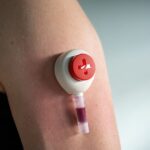
You will first talk privately with a doctor or nurse about your sexual activity. They will ask about your partners, condom use, any symptoms, and when you last had sex. Answer honestly — this helps them choose the right tests. After that, the actual sample collection happens. For a urine test, you will be asked to urinate into a cup. For a blood test, a small needle is used to draw blood from your arm. For a swab of the urethra, a thin cotton swab is inserted about half an inch into the tip of the penis. This can be briefly uncomfortable but is over in seconds. If you have had oral or anal sex, a swab of your throat or rectum may be taken. Some clinics give the option to self-swab for rectal samples. The entire physical part of the exam is usually finished in under five minutes.




Do You Need To Prepare Before An STD Test?
For a urine test, most clinics recommend that you do not urinate for at least one to two hours beforehand. This helps ensure a good sample. No other special preparation is needed. You do not need to fast. You do not need to stop taking any medications unless your doctor specifically tells you to. It helps to wear comfortable clothing to the appointment. If you are nervous, bring a friend or family member for support — though you may be asked to wait in different rooms for privacy during the exam itself. Just show up on time with a list of any symptoms or concerns you have.
How Long Does It Take To Get STD Test Results?
Results for urine and blood tests vary by clinic and by infection. Chlamydia and gonorrhea results often come back in one to three days. HIV rapid tests can give results in as little as 20 minutes. Standard HIV blood tests may take a few days. Syphilis results typically take a few days to a week. Herpes and other viral test results may take longer. Some clinics offer online portals where you can view results. Others call or ask you to return for a follow-up visit. If you do not hear back within a week, call the clinic. They do not assume a negative result — you need to follow up.
Are STD Tests Painful For Boys?
Most STD tests are not painful. A urine test is no different from normal urination. A blood draw may cause a brief pinch. A urethral swab (inserted into the tip of the penis) can cause a mild stinging or burning sensation that lasts only a few seconds. Some boys describe it as uncomfortable rather than painful. Rectal or throat swabs may cause a brief gag or pressure. The discomfort is temporary. The potential harm from an undiagnosed STD is far greater than the brief sensation of the test. If you are very anxious, tell the clinician. They can explain each step before it happens so you know what to expect.
When Should A Boy Get Tested For STDs?
The Centers for Disease Control and Prevention recommends that sexually active young men who have sex with men get tested at least once a year for chlamydia, gonorrhea, syphilis, and HIV. For heterosexual boys, routine screening is not universally recommended unless they have symptoms or known exposure. However, any sexually active boy should consider testing if he has had unprotected sex, has a new partner, or has multiple partners. Testing is also advised if a partner has been diagnosed with an STD or if any symptoms appear — discharge, burning during urination, sores, rashes, or unusual bumps. Testing after every new sexual partner is a reasonable precaution. There is no upper age limit — if you are sexually active, testing may be appropriate regardless of age.
Frequently Asked Questions
Does a urine test detect all STDs in boys?
No. A urine test reliably detects chlamydia and gonorrhea. It does not detect HIV, syphilis, herpes, HPV, or hepatitis. Those require blood tests or other methods.
Can you get tested for STDs without a parent knowing?
In most states, minors can consent to STD testing and treatment without parental permission. However, laws vary by state. Call the clinic ahead of time to confirm their policy.
Is it necessary to get tested if you have no symptoms?
Yes. Many STDs — especially chlamydia and gonorrhea — cause no symptoms in boys but can still be transmitted to partners and cause long-term health problems. Testing is the only way to know for sure.
How accurate are STD tests for boys?
Most tests are highly accurate when done correctly. False negatives and false positives are possible but uncommon. If you have concerns about your results, ask your clinician about follow-up testing.
