
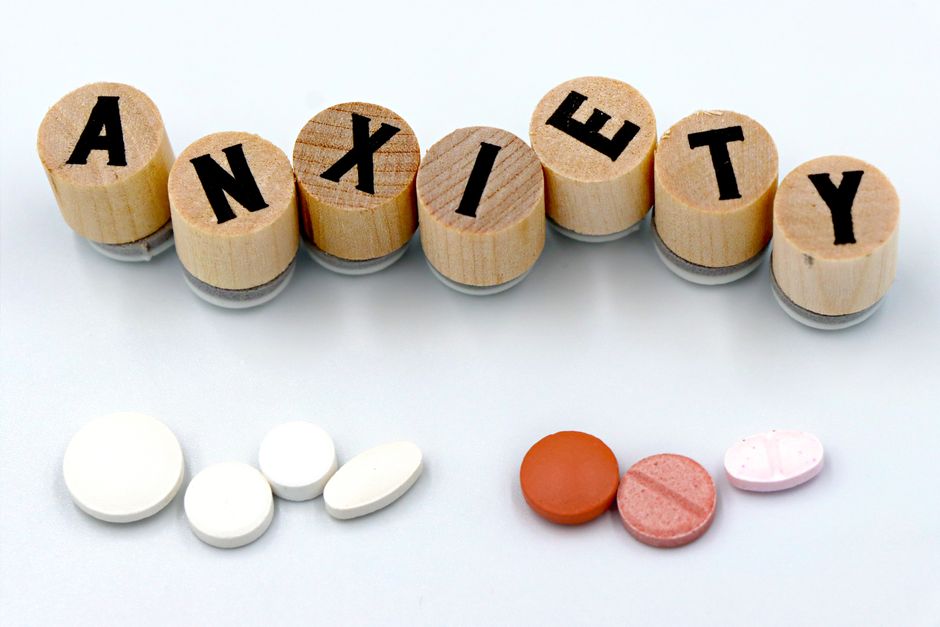
Benzodiazepines work by boosting the effect of GABA, the brain’s main calming chemical. They attach to a specific site on GABA-A receptors and make that receptor more responsive when GABA binds to it. The result is quieter nerve signaling in the brain, which can reduce anxiety, relax muscles, and promote sleep.
That single mechanism explains both why these drugs are effective and why they carry real risks. The same quieting effect that calms an anxious brain can also slow breathing, impair memory, and create dependence with regular use. Understanding the mechanism helps you understand the trade-offs.
How Do Benzodiazepines Work on the Brain?
GABA is a neurotransmitter — a chemical messenger — that tells neurons to slow down. When GABA binds to its receptor on a nerve cell, it opens a channel that lets negatively charged chloride ions flow into the cell. That makes the cell less likely to fire. This is called inhibition, and it is how the brain keeps its own activity in check.
Benzodiazepines do not release GABA and they do not open the channel by themselves. They bind to a separate spot on the GABA-A receptor and change its shape so that GABA binds more effectively. The effect is like a volume knob on the brain’s natural brake system. The brake still works on its own — the drug just makes it stronger.
This distinction matters. Because the drug needs GABA present to do much, its effect depends on where GABA is being released. That is part of why benzodiazepines can calm anxiety and promote sleep without shutting down the entire brain.
Why Different Benzodiazepines Feel Different
All benzodiazepines act at the same receptor site, but they differ in how fast they enter and leave the brain, how long they last, and how the body breaks them down. A drug that peaks quickly may be used for panic attacks. A longer-acting one may be used to prevent withdrawal or manage sustained anxiety.
These differences are pharmacokinetic — about timing and duration — not about a fundamentally different mechanism.
What Are Benzodiazepines Used For?
Benzodiazepines have well-established uses in several areas of medicine. Short-term use is generally where the evidence is strongest and the risk is most manageable.
- Anxiety disorders — often for short-term relief while other treatments take effect
- Panic disorder — particularly fast-acting forms for acute panic
- Insomnia — short-term use only; tolerance to the sleep effect develops
- Muscle spasms — certain benzodiazepines relax skeletal muscle
- Seizures — specific agents are used to stop prolonged seizures in emergency settings
- Alcohol withdrawal — widely used to reduce withdrawal seizure risk and agitation
- Procedural sedation — to relax patients during medical procedures
Some of these uses rest on strong clinical evidence. Others, like long-term anxiety management, are common in practice but are not well supported by trials — the risks generally grow faster than the benefits with ongoing use.
How Long Do Benzodiazepines Take to Work?
Most benzodiazepines taken by mouth begin to work within 15 to 60 minutes, depending on the specific drug and how fast it is absorbed. Fast-acting agents used for panic can take effect in minutes. Longer-acting ones used for sustained anxiety may take longer to reach full effect.
It is important to separate “feeling the drug” from “treating the condition.” A benzodiazepine can calm you quickly, but that is not the same as treating an underlying anxiety disorder. For most anxiety conditions, the recommended first-line treatments are psychological therapy and certain antidepressants, which take weeks to work but do not carry the same dependence risk.
What Are the Risks and Side Effects?
Benzodiazepines depress the central nervous system, and the side effects follow from that. Common ones include drowsiness, dizziness, poor coordination, slowed thinking, and memory problems. These are more pronounced in older adults.
There is a specific concern for older adults. Guidance from geriatric and psychiatric organizations has long flagged benzodiazepines as potentially inappropriate in this group because of increased fall risk, confusion, and slowed reaction times. If you are over 65, this is worth raising with your prescriber.
More serious risks include:
- Dependence and withdrawal — the body adapts to regular use, and stopping abruptly can cause rebound anxiety, insomnia, and in some cases seizures
- Tolerance — the same dose produces less effect over time, especially for sleep
- Respiratory depression — breathing slows, which is dangerous when combined with opioids or alcohol
- Falls and fractures — especially in older adults
- Cognitive effects — memory and attention can be affected during use
The combination of benzodiazepines with opioid painkillers is a well-documented cause of overdose deaths. Both drugs slow breathing, and together the effect is more than additive. Regulatory agencies have issued boxed warnings about this combination.
One clarification worth knowing: benzodiazepines are not the same as barbiturates, an older class of sedatives. Barbiturates can open the chloride channel directly and have a much narrower margin between a therapeutic dose and a dangerous one. Benzodiazepines require GABA to be present, which is why they are generally safer in overdose than barbiturates — though “safer” does not mean safe, especially with alcohol or opioids on board.
Why Is Dependence Such a Concern?
Regular use — even at prescribed doses — can lead to physical dependence. The brain adjusts to the drug’s calming effect by dialing down its own inhibitory signaling or ramping up excitatory signaling. When the drug is removed, the brain is left in an overactive state. That is withdrawal.
Withdrawal can include anxiety, insomnia, irritability, sweating, tremor, and in more serious cases confusion or seizures. The risk and severity depend on the dose, how long the drug has been taken, and how quickly it is stopped.
This is why abrupt discontinuation after long-term use is not advised. Tapering — gradually reducing the dose over time under medical supervision — is the standard approach. The pace of a taper is individualized, and no single schedule fits everyone. If you are taking a benzodiazepine regularly, do not stop suddenly on your own.
Practical Tips for Safer Use
These tips are general information, not medical advice for your specific situation. Discuss any changes with your prescriber.
- Use the lowest effective dose for the shortest time. This is the core principle in most prescribing guidance.
- Avoid alcohol entirely while taking them. Both depress the central nervous system, and the combination raises overdose and injury risk.
- Check every other medication. Opioids, sleep aids, and some antihistamines add to the sedative effect.
- Do not drive or operate machinery until you know how the drug affects you. Coordination and reaction time can be impaired even when you feel alert.
- Never stop abruptly after regular use. Ask about a supervised taper.
- Ask about alternatives. For anxiety and insomnia, evidence-based options like cognitive behavioral therapy exist and do not carry dependence risk.
- Tell your prescriber about any history of substance use. This affects risk assessment.
If you are considering a benzodiazepine, it is reasonable to ask your prescriber three questions: What is the plan for how long I will take this? What is the plan for stopping? And what non-drug options should I be trying at the same time?
Frequently Asked Questions
How do benzodiazepines work in simple terms?
They boost the effect of GABA, the brain’s natural calming chemical, by making GABA receptors more responsive. This quiets nerve signaling, which reduces anxiety and promotes sleep.
How long does it take for a benzo to kick in?
Most oral benzodiazepines start working within 15 to 60 minutes, depending on the specific drug. Fast-acting forms used for panic can take effect in minutes.
Are benzodiazepines safe for long-term use?
Long-term use carries significant risks, including dependence, tolerance, and cognitive effects. Most clinical guidance recommends short-term use, and evidence for long-term benefit is limited.
Can you stop benzodiazepines suddenly?
No — abrupt stopping after regular use can cause withdrawal, including seizures in some cases. A gradual taper under medical supervision is the standard approach.
