
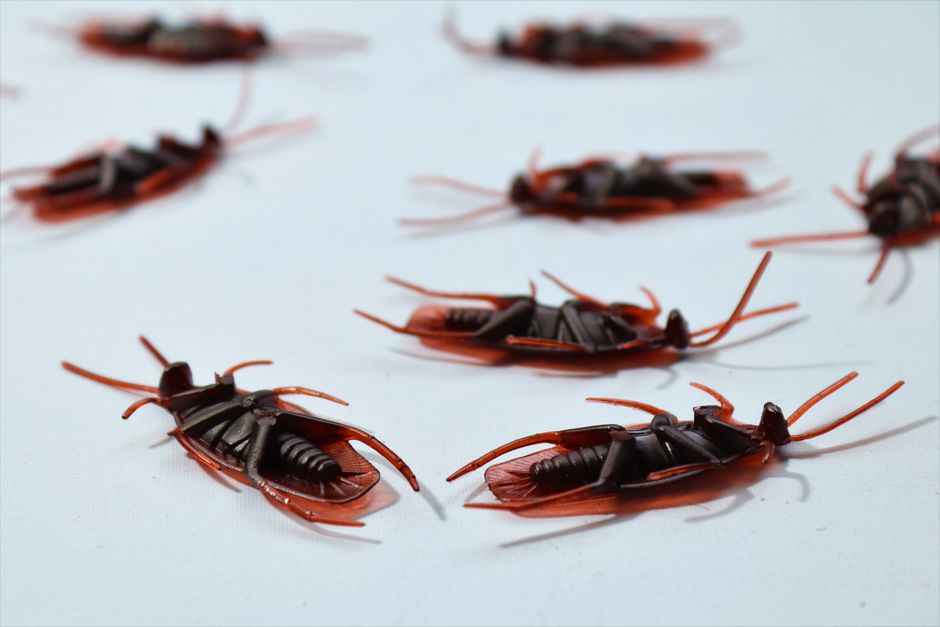
You did not get bed bugs because your home is dirty. You got them because a bed bug climbed onto something that traveled — a suitcase, a coat, a used chair, a backpack — and came home with you. Bed bugs feed on blood, not crumbs. They live in mattresses, bed frames, and upholstered furniture, and they move between places by hitchhiking. Anyone can bring them home. Cleanliness, income, and neighborhood have little to do with it.
The insect is Cimex lectularius, a small wingless bug that has lived alongside humans for thousands of years. It hides in cracks and seams during the day and feeds at night. It does not fly and it does not jump. It crawls, and it catches rides. Understanding those two facts explains almost every way people end up with an infestation.
How Did I Get Bed Bugs in My House?
Almost every home infestation starts with an introduced bug, not a spontaneous one. Bed bugs do not come in from outside through windows or doors the way ants or spiders do. They arrive on an object or a person.
The most common route is luggage. Bed bugs hide in the seams of suitcases, in the folds of clothing, and along the piping of bags. A hotel, motel, hostel, or even a nice resort can have them regardless of star rating. When you set your bag on a bed or the floor near a bed, a bug can crawl in. It travels home in your luggage and comes out in your bedroom.
Other common sources include:
- Used furniture — especially mattresses, box springs, sofas, and upholstered chairs. A used mattress is one of the highest-risk items you can bring into a home.
- Secondhand clothing from thrift stores, garage sales, or online resale.
- Shared laundry in apartment buildings or laundromats, where bugs can move between loads and baskets.
- Backpacks, purses, and briefcases that sit on floors in schools, offices, theaters, and public transit.
- Moving between apartments through shared walls, baseboards, and plumbing lines — this is a real route in multi-unit buildings.
One point people often miss: bed bugs can survive for months without feeding. A bug hiding in an empty apartment or a stored piece of furniture can wait a long time before its next blood meal. That is part of why they are so hard to eliminate once they settle in.
Can You Get Bed Bugs From Someone Else?
Yes — but not the way most people fear. Bed bugs do not live on people. They do not burrow into skin, hair, or clothing and stay there. They feed for a few minutes, then retreat to a hiding spot.
A person can carry a bed bug on their clothing or bag without knowing it. A bug that has just fed, or one that is looking for a place to hide, may cling to fabric for a while. This is how bugs move between homes, between apartments, and between a guest and a host. It is not a sign of poor hygiene. It is simply how the insect spreads.
What does not spread bed bugs: shaking hands, sitting near someone, or sharing a meal. They are not transmitted like a cold or a virus. Direct person-to-person transmission is not a meaningful route. The bug needs an object or clothing to travel on.
Do Bed Bugs Come From Being Dirty?
No. This is one of the most persistent myths about bed bugs, and it causes real harm. Bed bugs feed only on blood. They do not eat crumbs, garbage, or food scraps. A spotless home can have a severe infestation, and a cluttered, messy home can have none.
What clutter and mess do is give bed bugs more places to hide. That makes an infestation harder to find and harder to treat. But clutter does not cause bed bugs, and cleaning does not prevent them. The bug has to be brought in first.
This matters because shame keeps people from acting. People delay reporting an infestation or telling a landlord because they fear being blamed. That delay gives the bugs time to spread. If you have bed bugs, the cause is exposure, not housekeeping.
How Do Bed Bugs Get Into Apartments and Multi-Unit Buildings?
In apartment buildings, bed bugs often spread from one unit to another. They crawl through gaps around pipes, along shared walls, behind baseboards, and through electrical outlets. They can also move on shared furniture, in shared laundry rooms, and on the belongings of people moving between units.
A single infested apartment can seed others over time. This is why building-wide inspection and treatment is often more effective than treating one unit at a time. Some clinicians and pest control professionals note that partial treatment — treating one apartment while neighbors go unchecked — tends to fail. The bugs simply move and come back.
If you live in a multi-unit building and suspect bed bugs, telling your landlord or building management is the right first step. In many places, landlords are legally responsible for addressing infestations. The evidence on local laws varies, so check what applies where you live.
What Are the Signs You Brought Bed Bugs Home?
Bed bugs are small — adults are roughly the size of an apple seed — and they hide well. Many people do not notice them for weeks or months. The earliest signs are usually indirect.
Common signs include:
- Bite marks on skin after sleeping. Bites are often small, red, and itchy, sometimes in lines or clusters. Not everyone reacts — some people show no marks at all.
- Small dark spots on sheets or mattress seams, which are bed bug droppings.
- Tiny blood smears on bedding where a bug was crushed or fed.
- Shed skins — pale, translucent shells left behind as bugs grow.
- A musty, sweet odor in heavy infestations.
- Actual bugs in seams, folds, and crevices of the mattress, box spring, or bed frame.
Bite reactions vary widely. Some people develop itchy welts within a day or two. Others have no visible reaction. Because of this, bites alone cannot confirm an infestation. Finding the bug or its signs is the reliable evidence.
Bites can also look like other skin conditions, including flea bites, mosquito bites, scabies, and allergic rashes. A doctor cannot confirm bed bugs from bites alone. Confirmation comes from finding the insect or its droppings.
How Do You Avoid Bringing Bed Bugs Home?
Prevention is mostly about luggage and used items. The habits below are widely recommended by pest control and public health sources.
- Inspect where you sleep when traveling. Pull back sheets and check mattress seams, the headboard, and the bed frame before unpacking.
- Keep luggage off the bed and floor. Use a luggage rack or a hard surface, and keep bags zipped.
- Inspect and wash travel clothing in hot water and dry on high heat after a trip. Heat kills bed bugs at temperatures well above what they can tolerate.
- Be cautious with used furniture. Inspect seams, cushions, and crevices before bringing anything home. Used mattresses carry the highest risk.
- Wash secondhand clothing in hot water and dry on high heat before wearing or storing.
- Check backpacks and bags after they have been on floors in public places.
No prevention method is perfect. Bed bugs are small and good at hiding. The goal is to reduce the chance of introduction, not to eliminate all risk.
What Should You Do If You Think You Have Bed Bugs?
Act quickly, but do not panic. Bed bugs are not known to transmit disease. The main harms are itchy bites, lost sleep, and the cost and stress of treatment.
Start by confirming the problem. Look for the bug itself or its signs in the mattress seams, box spring, bed frame, and nearby furniture. If you find evidence, contact a licensed pest control professional. Bed bugs are difficult to eliminate without proper treatment, and do-it-yourself methods often fail.
Some steps people take are not supported by strong evidence. Foggers and bug bombs, for example, are widely sold but often ineffective against bed bugs and can scatter them into new hiding places. Heat treatment and targeted professional pesticide application are the approaches with the most support. No single method works in every situation, and a professional assessment is the reliable starting point.
Frequently Asked Questions
Can bed bugs come from outside?
Bed bugs do not come in from outdoors on their own; they are brought in on luggage, clothing, used furniture, or bags. They do not fly or jump, so they need an object or person to travel on.
Do bed bugs mean my house is dirty?
No. Bed bugs feed only on blood and are not attracted to dirt, crumbs, or mess. Clutter gives them more places to hide, but cleanliness does not prevent or cause an infestation.
Can I get bed bugs from a hotel?
Yes, hotels are one of the most common sources. Bed bugs can hide in luggage and clothing, so inspect the bed and keep bags off the bed and floor when traveling.
How long can bed bugs live without feeding?
Bed bugs can survive for months without a blood meal, which is why they can persist in empty rooms or stored furniture. This long survival time is part of why infestations are hard to eliminate.
