
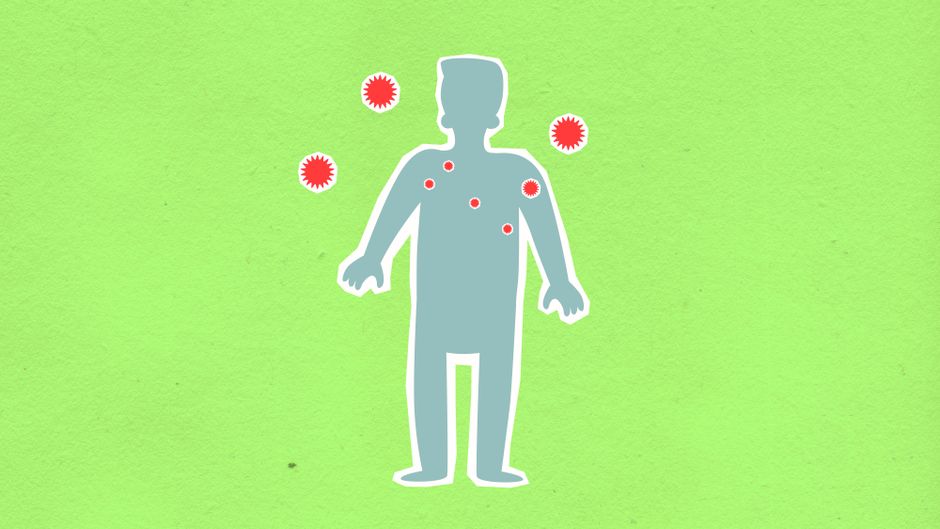
Shingles is not very contagious. You can only catch it through direct contact with the fluid from its blisters, and it does not spread through the air like the flu. If you have never had chickenpox or the chickenpox vaccine, you could catch chickenpox from shingles blisters, not shingles itself. The virus that causes shingles is the same one that causes chickenpox, but it behaves differently once it reactivates.
What Is Shingles?
Shingles is a painful rash caused by the varicella-zoster virus. This is the same virus that causes chickenpox. After someone has chickenpox, the virus stays in the body in nerve tissues. It can reactivate years later as shingles. The rash usually appears as a stripe of blisters on one side of the body or face. It often causes pain, burning, or tingling before the rash appears.
How Is Shingles Transmitted?
The shingles virus spreads through direct contact with the fluid inside the rash blisters. If you touch the blisters and then touch your mouth, nose, or eyes, you can get infected. The virus does not travel through the air when someone breathes or coughs. This is different from chickenpox, which spreads easily through droplets in the air. Shingles is much less contagious than chickenpox because it only spreads from blisters, not from the respiratory tract.
How Long Is Shingles Contagious?
Shingles is contagious from the moment the blisters appear until they crust over and dry up. This usually takes 7 to 10 days. Once the blisters have scabbed over, the virus can no longer spread. People with shingles should avoid touching the rash and wash their hands often. Keeping the rash covered with a clean, dry bandage also helps prevent spread.




Can You Catch Shingles From Someone With Shingles?
No. You cannot catch shingles from another person. When someone is exposed to the shingles virus through direct contact, they do not develop shingles. They can develop chickenpox if they have never had it or the vaccine. Shingles only happens when the virus that causes chickenpox reactivates in someone who already has the virus in their body. So if you have had chickenpox, you are already carrying the virus, and exposure to shingles blisters will not give you shingles. It could, however, trigger a reactivation in some cases, but that is not the same as catching it.
Who Is at Risk of Getting Chickenpox From Shingles?
People who have never had chickenpox and have not been vaccinated against it are at risk. Those individuals can catch chickenpox from direct contact with shingles blisters. The virus enters the body through skin or mucous membranes. After exposure, it takes about 2 weeks for chickenpox symptoms to appear. People with weakened immune systems, such as those on chemotherapy or with HIV, may also be more susceptible. But the main risk group is anyone without prior immunity.
How to Prevent Spreading Shingles
If you have shingles, there are simple steps to protect others. Keep the rash covered with a dry bandage or clothing. Do not scratch or pick at the blisters. Wash your hands frequently, especially after touching the rash. Avoid close contact with people who have never had chickenpox or the vaccine, pregnant women, newborns, and people with weak immune systems until the blisters are completely scabbed over. The shingles vaccine is recommended for adults 50 and older to reduce the risk of getting shingles and to shorten the contagious period if shingles does occur.
Is Shingles Airborne?
No. Shingles is not airborne. The virus does not spread through coughing, sneezing, or breathing. This is an important difference from chickenpox. In chickenpox, the virus can travel through air droplets. In shingles, the virus lives only in the fluid of the blisters. Once the blisters dry, the virus can no longer infect others. So there is no need to wear a mask or keep distance in the same room. Direct contact with the rash is the only way the virus spreads.
Frequently Asked Questions
Can you get shingles from being around someone with shingles?
No. You cannot get shingles from someone who has shingles. You can only get chickenpox if you have never had it or the vaccine and you touch their blisters.
How long after shingles is it no longer contagious?
Shingles stops being contagious once all the blisters have crusted over, usually 7 to 10 days after the rash appears.
Do you need to isolate if you have shingles?
You do not need to isolate in a separate room, but you should avoid direct contact with people who have never had chickenpox or the vaccine, especially if they are pregnant or have weak immune systems.
Can you get shingles from chickenpox?
No. Shingles is caused by the reactivation of the chickenpox virus already in your body. You cannot catch shingles from someone with chickenpox.
