
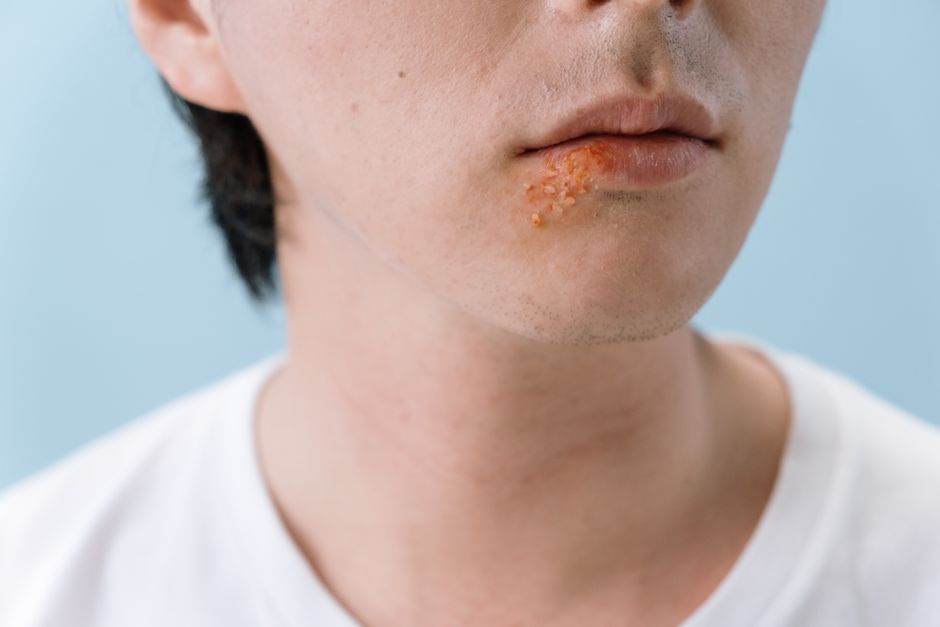
Impetigo is very contagious. It spreads easily through direct skin-to-skin contact and by sharing towels, clothing, or bedding with an infected person. The bacteria that cause it can also live on surfaces for a short time, which is why outbreaks spread quickly in daycares, schools, and sports teams.
Most people picture impetigo as a childhood rash, and it is most common in young children. But adults get it too, especially if they have breaks in their skin or certain skin conditions. The infection is treatable, and it clears up with proper care. The catch is that it stays contagious until the sores heal or treatment takes effect.
How Contagious Is Impetigo Compared With Other Skin Infections?
Impetigo sits near the top of the list of contagious skin infections. It spreads more readily than many people expect, largely because the sores weep fluid that is loaded with bacteria.
The two main bacteria behind impetigo are Staphylococcus aureus and Streptococcus pyogenes (group A strep). Both are common on human skin and both spread through contact. When a sore oozes or forms a honey-colored crust, that material carries live bacteria. Touching it and then touching your own skin is often all it takes.
What makes impetigo so transmissible is the combination of a high bacterial load in the sores and the fact that people touch their faces and skin constantly without noticing. A child scratching a sore and then touching a sibling’s arm can pass it along in seconds.
It is not airborne in the way a cold or flu is. You will not catch impetigo by being in the same room as someone who has it. The transmission is contact-based, which matters because it tells you exactly where to focus prevention.
How Does Impetigo Spread From Person to Person?
Direct skin contact is the main route. This includes touching a sore, hugging, wrestling, and contact sports where skin rubs against skin.
Indirect contact matters too. Shared items can carry bacteria from an infected person to someone else. Common culprits include:
- Towels and washcloths
- Bed linens and pillows
- Clothing, especially items worn against the skin
- Sports equipment like helmets and pads
- Toys handled by young children
There is a detail many people miss: impetigo can spread to other parts of the same person’s body. If you scratch a sore and then touch unbroken skin elsewhere, you can seed new sores. This is called autoinoculation, and it is a common reason the infection keeps appearing in new spots.
Fingernails are a frequent hiding place for the bacteria. Keeping them short and clean is a small step that genuinely reduces spread within a household.
When Is Impetigo Most Contagious?
Impetigo is most contagious while the sores are weeping or crusted and have not yet been treated. The fluid from an active sore is the most infectious material.
Once treatment begins, the risk drops fairly quickly. With appropriate antibiotics, many people are no longer considered significantly contagious after about 24 to 48 hours of treatment. This is a general clinical guideline rather than a precise cutoff, and it depends on the treatment used and how the sores are healing.
Without treatment, impetigo can stay contagious for weeks. The sores may crust over and look like they are improving while bacteria are still present. This is one reason doctors often recommend treatment rather than waiting it out.
Children are usually kept home from school or daycare until they have been on treatment for a period their doctor advises, often around 24 to 48 hours, or until sores are healing. Follow the guidance from your own clinician and your school’s policy, since these can vary.
Who Is Most at Risk of Catching Impetigo?
Young children are the group most likely to get impetigo. The reasons are practical rather than mysterious. Children have more close physical contact with each other, they touch their faces more, and they share items freely.
Certain factors raise the risk for anyone:
- Broken skin from cuts, scrapes, insect bites, or eczema
- Crowded settings like daycares, schools, and military barracks
- Contact sports such as wrestling and rugby
- Warm, humid weather, which is when impetigo tends to peak
- Poor hygiene access, such as difficulty washing hands regularly
People with eczema deserve a specific mention. Scratching damaged skin opens the door for bacteria, and eczema skin is already more vulnerable. Impetigo is a common complication of eczema flares, and it can be mistaken for a worsening rash.
Adults with diabetes or a weakened immune system can also be more susceptible, and their infections may take longer to clear.
How Long Are You Contagious With Impetigo?
You are contagious as long as the sores are present and untreated. With treatment, the contagious period shortens considerably, typically to roughly a day or two after starting antibiotics.
For untreated impetigo, the infection can remain contagious for several weeks. The sores may look like they are drying up, but bacteria can still be present in the crusts and any remaining fluid.
Here is a practical rule that helps: consider someone contagious until the sores have healed or until a doctor confirms the infection has cleared. Do not rely on appearance alone, because crusted sores can still carry bacteria.
Timelines vary by person and by treatment. Some people heal faster, and some slower. If sores are not improving after a few days of treatment, that is worth a call to the clinician.
How Do You Stop Impetigo From Spreading?
Handwashing is the single most effective step. Washing with soap and water, especially after touching sores or changing dressings, removes bacteria before they can reach someone else.
Other measures that reduce spread in a household or group setting:
- Keep sores covered with a clean, dry bandage when possible
- Do not share towels, clothing, or bedding
- Wash towels and linens in hot water and dry them thoroughly
- Keep fingernails short and clean
- Clean shared surfaces and sports equipment regularly
- Keep children with active sores home from school or daycare until advised it is safe to return
For people with eczema, keeping the skin moisturized and treating flares helps reduce the small breaks that let bacteria in. This is a reasonable preventive step, though it is not a guarantee against infection.
Antibiotic ointment or oral antibiotics, when prescribed, treat the infection and shorten how long someone is contagious. Over-the-counter antiseptics are sometimes used, but their role is limited and they are not a substitute for prescribed treatment when it is needed. Some clinicians recommend them for minor cases, but the evidence for their effectiveness compared with antibiotics is not strong.
Can You Catch Impetigo More Than Once?
Yes. Having impetigo does not make you immune to it. The bacteria that cause it are common, and you can be reinfected, sometimes more than once.
Repeat infections often happen because the bacteria linger on the skin, in the nose, or on household items. Some people carry Staphylococcus aureus in their nostrils without symptoms, and this can be a source of recurring skin infections. A clinician may address this if infections keep coming back.
Household members can also pass the infection back and forth if one person is untreated. Treating everyone who has active sores at the same time helps break the cycle.
Frequently Asked Questions
How long is impetigo contagious after starting antibiotics?
Many people are considered significantly less contagious after about 24 to 48 hours of appropriate antibiotic treatment. Follow your clinician’s specific guidance, since it depends on the treatment and how the sores are healing.
Can you go to school or work with impetigo?
Most schools and workplaces ask people to stay home until they have been on treatment for a period their doctor advises, often around 24 to 48 hours, or until sores are healing. Check your school or employer policy, because requirements vary.
Is impetigo spread by touching or by air?
Impetigo spreads by direct skin contact and by sharing contaminated items like towels and clothing. It is not spread through the air like a cold or flu.
Can adults catch impetigo from a child?
Yes. Adults can catch impetigo through the same contact routes as children, especially if they have breaks in their skin. Good handwashing and not sharing towels reduce the risk.
