
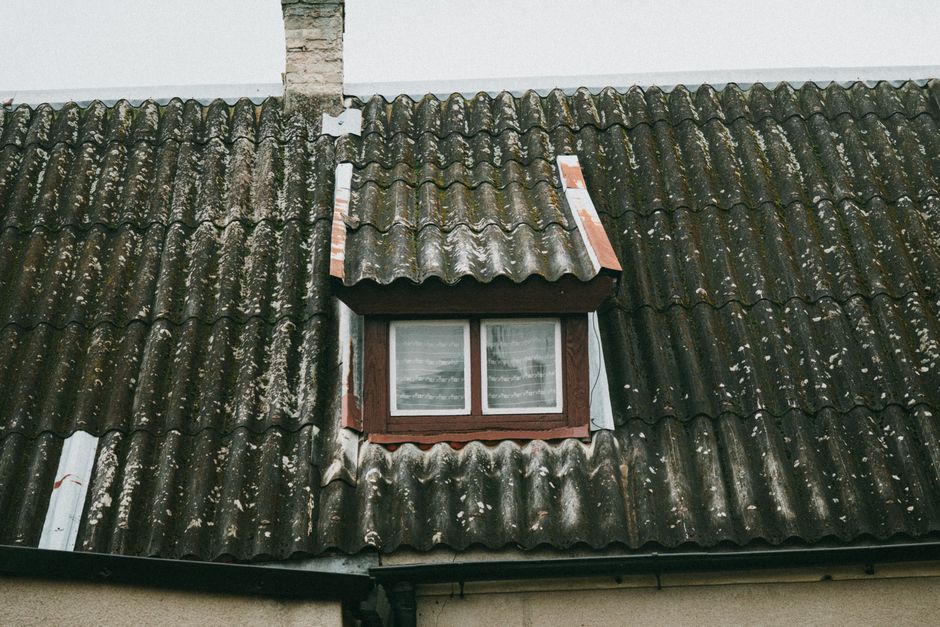
Asbestos risks in homes and everyday products are far more common than most people realize, but the actual danger depends on exposure level and condition. While asbestos was banned in most new U.S. building materials decades ago, it remains present in millions of older homes and can still be found in certain imported products today. The key distinction is that intact, undisturbed asbestos poses minimal risk, while damaged or disturbed asbestos can release fibers that cause serious disease.
How Common Is Asbestos in American Homes?
Asbestos is present in a significant portion of U.S. housing stock built before 1980. Estimates suggest that homes constructed between 1930 and 1980 have a high likelihood of containing asbestos in at least one building material.
The most common locations include insulation around pipes and boilers, textured ceiling coatings, floor tiles and their backing adhesive, and cement siding. Vermiculite attic insulation from a specific mine in Libby, Montana, is another notable source, as this material was contaminated with asbestos and sold widely across the country.
Homes built after 1980 are less likely to contain asbestos, but the risk is not zero. Some asbestos products continued to be manufactured and installed into the late 1980s and early 1990s. Renovations can also introduce asbestos if contractors use recycled or salvaged materials containing the mineral.
Which Household Products Still Contain Asbestos?
Asbestos is not fully banned in the United States. The Environmental Protection Agency issued a partial ban in 1989, but a court ruling overturned much of it in 1991. This legal history means some products legally contain asbestos today.
Products that may still contain asbestos include certain brake pads and clutches for vehicles, some roofing materials, and specific types of gaskets. Imported products are a particular concern because manufacturing standards vary by country. Talc-based cosmetics and baby powders have received significant attention in recent years after testing revealed asbestos contamination in some batches.
Older household items are a more common source of exposure than new purchases. Vintage appliances, old ironing board covers, and antique fireproofing materials in basements or attics can all harbor asbestos. If you own a home built before 1980, the safest assumption is that asbestos may be present somewhere in the structure.
What Determines Whether Asbestos Is Dangerous?
Asbestos becomes dangerous when fibers become airborne. Intact materials that bind asbestos fibers tightly do not release them easily. Damaged, crumbling, or disturbed materials do release fibers into the air where they can be inhaled.
Three main factors determine risk: the amount of asbestos present, how often it is disturbed, and the duration of exposure. A single brief encounter with a small amount of intact asbestos is unlikely to cause disease. Repeated exposure over years, particularly in occupational settings, carries the highest risk.
Disease risk also depends on the type of asbestos fiber. Amphibole fibers such as crocidolite and amosite are considered more dangerous than chrysotile fibers because they persist longer in lung tissue. However, all forms of asbestos are classified as human carcinogens by major health authorities.
The latency period for asbestos-related disease is remarkably long. Mesothelioma, a cancer of the lining of the lungs or abdomen, typically appears 20 to 50 years after initial exposure. This long delay means people exposed in the 1970s and 1980s are only now developing symptoms.





How Common Are Asbestos-Related Diseases?
Asbestos-related diseases remain a significant public health concern despite decades of regulation. Mesothelioma is considered a rare cancer, with roughly 3,000 new cases diagnosed annually in the United States. This number has remained relatively stable over the past two decades.
Asbestosis, a non-cancerous scarring of lung tissue, is less common today than in past decades because workplace protections have improved. However, new cases still emerge among older workers who were exposed before regulations took full effect.
Lung cancer linked to asbestos exposure is more difficult to quantify because smoking is the primary cause of most lung cancers. When asbestos exposure and smoking occur together, the combined risk is significantly higher than the sum of each risk alone. Research consistently shows this multiplicative interaction.
Most asbestos-related diseases occur in people with occupational exposure histories. Construction workers, shipyard workers, insulation installers, and automotive mechanics have historically faced the highest risks. Family members of these workers have also developed diseases from secondhand exposure to fibers carried home on clothing.
How Can Homeowners Identify Asbestos Safely?
You cannot identify asbestos by looking at it. The fibers are microscopic and require laboratory analysis for confirmation. Professional inspection is the only reliable method to determine whether a material contains asbestos.
Certified asbestos inspectors collect samples and send them to accredited laboratories for analysis using polarized light microscopy or transmission electron microscopy. These methods can definitively identify asbestos fibers and determine their type.
If you suspect asbestos in your home, do not disturb the material. Do not scrape, sand, drill, or break suspect materials. Keep children and pets away from damaged areas. Limit access to rooms where suspect materials are crumbling or deteriorating.
Home test kits are available but have limitations. The kit itself only provides sample collection materials and instructions; the analysis still requires sending your sample to a laboratory. Accuracy depends on proper sampling technique, and an untrained person may miss asbestos in less obvious locations.
What Should You Do If You Find Asbestos?
The presence of asbestos alone does not require immediate removal. Intact asbestos in good condition can often be left in place and managed safely. Disturbing it during removal may actually create a greater risk than leaving it undisturbed.
Professional abatement is recommended when asbestos is damaged, when renovation will disturb it, or when it is in a location where deterioration is likely. Certified asbestos abatement contractors follow strict procedures to contain fibers and dispose of waste properly.
Homeowners can legally perform their own asbestos removal in most states for single-family homes they occupy. However, this is not recommended without proper training and equipment. Inadequate removal can contaminate the entire home and create long-term exposure risks.
Some states require licensed professionals for any asbestos work, including in private residences. Check your state regulations before proceeding with any removal project. Improper disposal of asbestos waste also carries legal penalties in most jurisdictions.
How Common Is Asbestos Homes Products Risks in Everyday Life?
For most people, the everyday risk from asbestos in homes and products is low. The mineral must be disturbed to become dangerous, and intact materials rarely release significant fiber concentrations. The greater risk applies to people who disturb asbestos regularly through renovation work or occupations that involve older buildings.
The most common scenario for homeowner exposure is during DIY renovations. Cutting asbestos cement siding, sanding old floor tile adhesive, or removing textured ceilings without proper precautions can release dangerous fiber levels. Professional testing before renovation is the most effective preventive measure.
Secondhand exposure remains a concern for families of workers in high-risk occupations. Work clothes contaminated with asbestos fibers can expose household members during laundering. Many workplaces now provide shower facilities and clean clothing to prevent this route of exposure.
Current regulatory oversight has reduced but not eliminated asbestos in consumer products. The EPA has taken steps to strengthen asbestos regulation in recent years, but the mineral is not entirely prohibited in the United States. Imported products, particularly from countries with weaker regulations, may still contain asbestos.
Frequently Asked Questions
What percentage of old homes contain asbestos?
Most homes built between 1930 and 1980 contain asbestos in at least one building material. The exact percentage is not precisely documented, but the likelihood is high enough that professional testing is recommended before renovations.
Can I live safely in a house with asbestos?
Yes, if the asbestos-containing material is intact and undisturbed. Asbestos only becomes dangerous when fibers are released into the air through damage, deterioration, or disturbance during renovation work.
How much asbestos exposure causes mesothelioma?
There is no established safe threshold for asbestos exposure. Mesothelioma has occurred in people with brief exposures, though the highest risk is associated with prolonged occupational exposure over many years.
Should I test my home for asbestos before buying it?
A home inspection for asbestos is wise if the property was built before 1980 or has undergone renovations with older materials. Testing is not required by most lenders, but the information can help you plan for potential abatement costs.
