
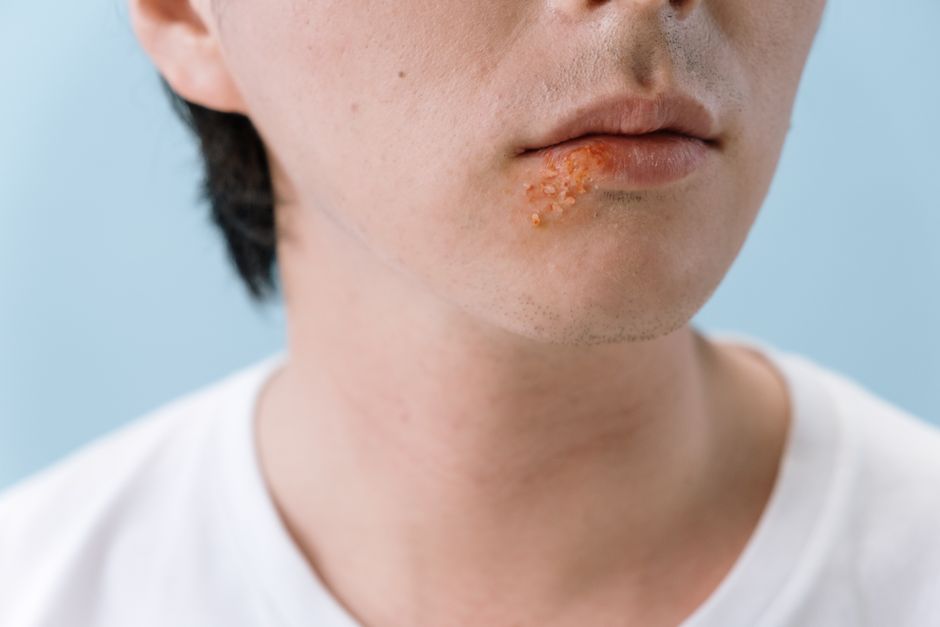
Researchers are not close to a cure for herpes, but they are making steady progress on better treatments and vaccines. The two main herpes viruses — HSV-1 and HSV-2 — stay in the body for life once infected. Current antiviral drugs can manage outbreaks and reduce transmission risk, but they cannot eliminate the virus. Several vaccine candidates and gene-editing approaches are in clinical trials, yet a cure remains years away.
Why Is Herpes So Hard To Cure?
Herpes viruses hide in nerve cells, not in the bloodstream. This is the core problem for any cure. The virus moves from skin cells into sensory nerve ganglia — clusters of nerve cell bodies near the spinal cord. There it enters a dormant state.
Antiviral drugs like acyclovir, valacyclovir, and famciclovir work by stopping the virus from replicating during active outbreaks. They do not reach the dormant virus hiding inside nerve cells. This is why treatment must be repeated or taken daily as suppressive therapy.
The dormant virus is not completely inactive. It produces small amounts of RNA, but not full viral particles. This keeps the immune system from clearing it while allowing the virus to reactivate later. Reactivation causes the familiar cold sores or genital lesions, and can also occur without visible symptoms — a process called asymptomatic shedding.
What Treatments Exist Right Now?
Three antiviral drugs are FDA-approved for herpes. Acyclovir, valacyclovir, and famciclovir all work similarly. They interfere with viral DNA replication, shortening outbreaks and reducing symptom severity.
These drugs are used in two ways. For occasional outbreaks, people take them for a few days at the first sign of symptoms. For frequent outbreaks — generally six or more per year — daily suppressive therapy reduces outbreak frequency by 70-80% and lowers transmission risk to sexual partners.
Topical creams exist but are less effective than oral medications. Over-the-counter products like docosanol (Abreva) can shorten healing time by a day or so. Prescription topical creams are available but oral antivirals remain the standard of care.
No treatment currently removes the virus from the body. All approved therapies manage symptoms or reduce shedding. This is an important distinction when evaluating any product claiming to “clear” herpes.
How Close Are They To A Herpes Cure? Vaccine Progress
Vaccine research has two separate goals. A therapeutic vaccine would treat people already infected, reducing outbreaks and shedding. A prophylactic vaccine would prevent infection in uninfected people, similar to how the HPV vaccine works.
Several therapeutic vaccine candidates have reached clinical trials. Some use inactivated whole virus, others use specific viral proteins, and newer ones use mRNA technology like the COVID-19 vaccines. Early results show some reduction in viral shedding, but no candidate has yet achieved the level of suppression that daily antiviral drugs provide.
The prophylactic vaccine effort has a difficult history. A large trial of a vaccine called Herpevac failed in 2010 — it protected against HSV-1 but not HSV-2. The failure taught researchers that generating a strong enough immune response against HSV-2 is harder than expected.
mRNA vaccines for herpes are now in early human trials. These vaccines aim to generate both antibody and T-cell responses, which may be necessary for protection. Results from these trials are expected within the next few years. If successful, a preventive vaccine could be available to the public in five to ten years.





Gene Editing As A Potential Cure
Gene editing approaches are the most promising avenue for an actual cure, not just a vaccine. The idea is to use enzymes that cut viral DNA in specific places. When the virus cannot repair the damage, it dies.
Several research groups are testing this approach in animals. One strategy uses meganucleases — enzymes that recognize and cut HSV DNA sequences. Another uses CRISPR, the gene-editing tool that has transformed biomedical research.
In mouse and guinea pig models, these approaches have reduced viral loads in nerve tissue. Some studies report that a large percentage of treated animals show no detectable virus after treatment. This is genuine progress, but significant hurdles remain.
The virus can hide in multiple nerve ganglia simultaneously. A cure must reach all of them. Delivering gene-editing tools to nerve cells is also technically challenging. And researchers must prove the treatment does not accidentally cut human DNA.
No gene-editing therapy for herpes has entered human trials yet. The most optimistic timelines suggest human trials could begin within a few years, with a marketable cure a decade or more away.
What About Natural Remedies and Supplements?
Many products claim to support the immune system against herpes. Lysine, zinc, vitamin C, and various herbal extracts are common examples. The evidence for most of these is limited.
Lysine has been studied for decades. Some small studies suggest it may reduce outbreak frequency when taken daily, but results are inconsistent. No large, well-controlled trial has confirmed a clear benefit. Lysine is generally safe in normal food amounts, but high-dose supplements can cause digestive issues.
Some research suggests that certain plant extracts have antiviral activity against HSV in laboratory settings. This does not mean they work in the human body. Laboratory activity does not translate to clinical benefit without rigorous human trials.
There is no evidence that any supplement can eliminate the virus. Products that claim to “cure” herpes or “clear the virus from your system” are not supported by clinical research. Be cautious with any product making these claims.
How To Manage Herpes With Current Options
The most effective management strategy combines antiviral medication with awareness of triggers. Daily suppressive therapy is the most reliable way to reduce outbreaks and transmission risk.
Stress, illness, lack of sleep, and sun exposure are common outbreak triggers. Identifying personal triggers can help some people reduce outbreak frequency, though this varies widely between individuals.
Condoms reduce but do not eliminate transmission risk. The virus can shed from skin not covered by a condom. Daily antiviral medication reduces shedding by about 50% and significantly lowers transmission risk to partners.
If you have herpes, talk to a healthcare provider about whether suppressive therapy makes sense for you. For most people, the benefits of daily medication outweigh the costs and side effects, which are generally mild.
What Does The Future Look Like?
The realistic timeline for a herpes cure is measured in years, not months. Gene editing approaches are the most promising path to eliminating the virus, but they remain in preclinical stages. A preventive vaccine is likely to arrive before a cure.
In the meantime, treatment continues to improve. Newer antiviral formulations and combination therapies are being studied. Researchers are also investigating immune-based approaches that could strengthen the body’s natural control of the virus.
The honest answer is that a cure is not close, but the field is moving. Each failed trial has taught researchers more about the immune response needed to control HSV. The science is advancing, even if progress feels slow to those living with the virus.
Frequently Asked Questions
Can herpes ever be cured?
No cure exists yet, but gene-editing research in animal models has eliminated the virus in some cases. Human trials have not started, so a cure is likely a decade or more away.
Is there a vaccine for herpes?
No vaccine is approved for herpes, but several candidates are in clinical trials. A preventive vaccine is likely to reach the public before a cure.
Does daily antiviral medication stop herpes transmission?
Daily suppressive therapy reduces transmission risk by about 50%, but it does not eliminate it completely. Condom use adds additional protection.
Can lysine or natural supplements cure herpes?
No supplement has been shown to eliminate the virus. Some may reduce outbreak frequency in certain people, but the evidence is limited and inconsistent.
