
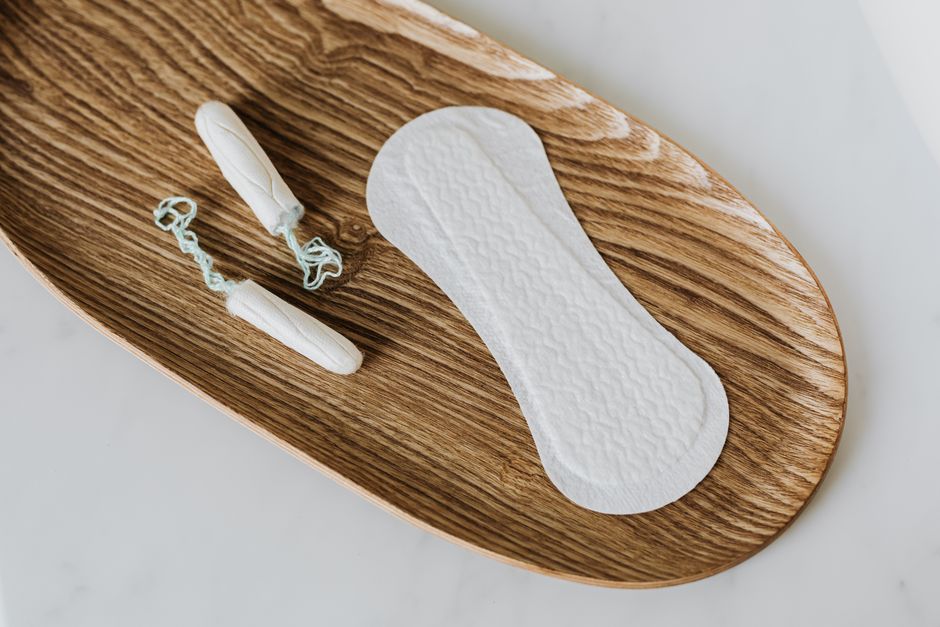
Using a tampon means placing a small roll of absorbent material into your vagina to soak up menstrual blood. You insert it with an applicator or your finger, wear it for a few hours, then remove it by pulling the string. Most people get the hang of it after a few tries. The first attempt often feels awkward, and that is normal.
Tampons are safe when used correctly. The single most important rule is to change them regularly and never leave one in longer than the package directs. That one habit prevents the rare but serious infection called toxic shock syndrome.
How Can You Use Tampons Step by Step?
Start by washing your hands. Then get into a comfortable position — standing with one foot on the toilet seat, sitting on the toilet, or squatting all work well. Relax your muscles. Tension is the main reason insertion feels difficult.
If you are using an applicator tampon, hold it with your thumb and middle finger at the grip. The string should hang down. Angle the applicator toward your lower back, not straight up. Your vagina tilts backward, so this angle matters.
Gently push the applicator in until your fingers touch your body. Then push the inner tube to release the tampon into your vagina. Remove the applicator and dispose of it in the trash, not the toilet. The string stays outside your body.
For applicator-free tampons, use a clean finger to push the tampon in as far as it will comfortably go. A tampon that sits too low will feel uncomfortable, sometimes painfully so. If you can feel it, it is not in far enough. Push it deeper or remove it and start again.
Relaxing is not just comfort advice. When you are tense, the pelvic floor muscles tighten and narrow the opening. Slow breathing helps. So does giving yourself permission to stop and try again later.
How Do You Know Which Absorbency to Choose?
Choose the lowest absorbency that handles your flow for the hours you need. Tampons come in standard absorbency ranges set by regulators, from light to ultra. Using a higher absorbency than you need raises the risk of toxic shock syndrome.
Many people default to super or higher out of habit. That is a common mistake. On lighter days, a regular or light tampon is the better choice. If a tampon feels dry or scratchy when you remove it, it was likely too absorbent for that day.
Flow changes throughout your period. Most people need different absorbencies on different days. Keeping two boxes on hand is practical.
How Often Should You Change a Tampon?
Change your tampon every 4 to 8 hours. Most manufacturers and health authorities advise not leaving one in longer than 8 hours. If your flow soaks a tampon before 4 hours, you may need a higher absorbency — or it may be worth talking to a clinician about heavy bleeding.
Change it sooner if it feels uncomfortable or if you notice a smell. Always remove the tampon before inserting a new one. It sounds obvious, but forgetting a tampon is more common than people admit. If you cannot remember whether you removed one, check.
Never wear a tampon between periods or when you are not bleeding. Some people use one at the very end of a period out of caution, but there is no need. A panty liner works fine for light spotting.
What Is Toxic Shock Syndrome and How Do You Prevent It?
Toxic shock syndrome, or TSS, is a rare but serious illness caused by bacterial toxins. It has been linked to tampon use, particularly high-absorbency tampons worn for long periods. The bacteria involved are usually Staphylococcus aureus, though other organisms can cause it too.
TSS is not common. Cases dropped sharply after manufacturers changed tampon materials and regulators set absorbency standards in the 1980s. Still, it has not disappeared, and the risk is real enough that the warning is printed on every box.
Symptoms come on fast. Watch for:
- Sudden high fever
- Vomiting or diarrhea
- A sunburn-like rash
- Dizziness, fainting, or confusion
- Muscle aches
If you have these symptoms while wearing a tampon, remove it right away and seek emergency medical care. Tell the clinician you were wearing a tampon. Early treatment matters.
Prevention comes down to a few habits. Use the lowest absorbency that works. Change every 4 to 8 hours. Do not wear one overnight if you sleep longer than 8 hours — use a pad instead. Alternate tampons with pads during your period.
The evidence on overnight use is worth being precise about. Health agencies generally advise against wearing a single tampon for more than 8 hours, which can include a full night’s sleep. Some clinicians say an occasional long wear is low risk. The cautious approach is to use a pad overnight.
What If Insertion Hurts or You Cannot Get It In?
Discomfort on the first few tries is common. Sharp pain is not. If insertion hurts, stop. Trying harder while tense usually makes it worse.
Check your angle first. Many people push straight up when the vagina angles toward the lower back. Try a different position. Sitting on the toilet with knees apart often works better than standing.
If you still cannot insert a tampon, several things could be going on. You may be tense. You may have a very small opening. Or you may have a condition such as vaginismus, where the muscles around the vagina tighten involuntarily. That is a recognized medical issue, not a personal failing, and clinicians treat it.
An intact hymen is sometimes blamed, but this is often misunderstood. The hymen is a thin, stretchy tissue with an opening, and it does not block tampon insertion in most people. For some, it may cause minor discomfort at first. That usually settles.
If pain persists across several attempts, or if insertion is painful beyond the first few tries, talk to a healthcare provider. There is usually a solvable reason.
Can You Swim, Exercise, and Sleep With a Tampon?
Yes to swimming and exercise. That is one of the main reasons people choose tampons. A tampon sits inside the vagina, and the string stays outside. Water does not flow into the vagina the way it fills a pool, so a tampon stays in place and works during swimming.
Change it after swimming, since the string can absorb water. For exercise, a tampon usually stays comfortable. If it shifts or feels odd during activity, it may not be inserted far enough.
Sleep is where you need to be careful. If you sleep 8 hours or less, wearing a tampon overnight is within the general guidance. If you regularly sleep longer, a pad is the safer choice.
Are There Alternatives Worth Considering?
Tampons are one option among several. Pads sit outside the body and carry no TSS risk. Menstrual cups collect rather than absorb blood and can be worn longer, though they have their own insertion learning curve and cleaning requirements. Period underwear works like a pad.
Some people switch between products depending on the day, their flow, and what they are doing. There is no rule that you have to pick one. Mixing tampons and pads is a common and sensible approach, especially for overnight use.
If you have never used a tampon and are unsure, start on a light-flow day. It is easier to insert when there is some moisture, and the stakes feel lower. Read the package insert — it contains the absorbency guidance and TSS warning specific to that product.
Frequently Asked Questions
Can you lose your virginity by using a tampon?
No. Virginity is not a medical concept, and using a tampon does not change it. The hymen can stretch or tear from many activities, including sports, and tampon use does not define sexual experience.
Can a tampon get lost inside you?
No. The cervix at the top of the vagina is too small for a tampon to pass through. If you cannot find the string, feel inside with clean fingers or see a clinician to have it removed.
How long can you leave a tampon in?
No longer than 8 hours, and change every 4 to 8 hours during the day. Leaving one in longer raises the risk of toxic shock syndrome.
Can you pee with a tampon in?
Yes. Urine comes out of the urethra, a separate opening from the vagina, so a tampon does not interfere. If the string gets wet, change the tampon when convenient.
