
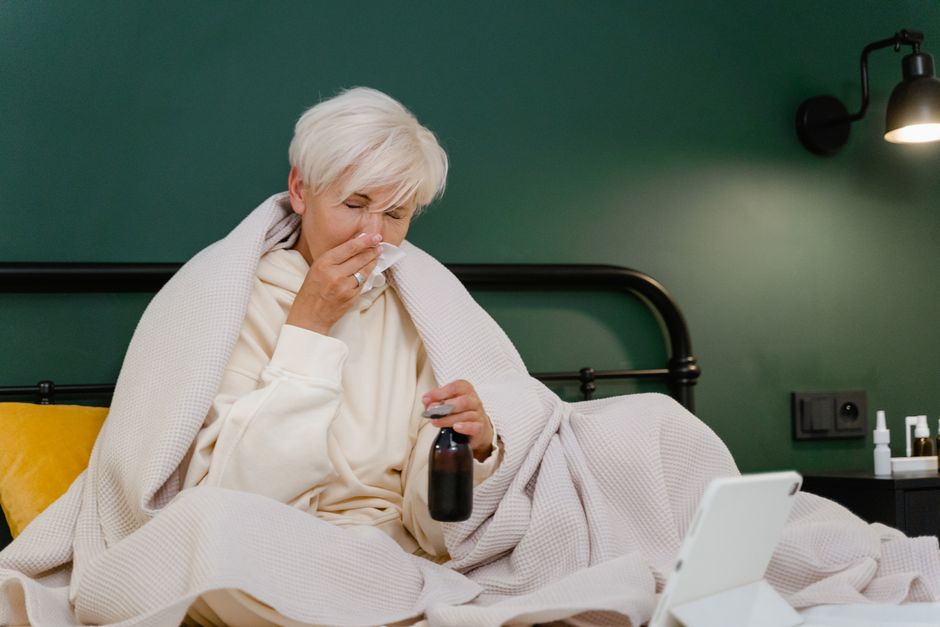
There is no cure for the common cold. Treatment means managing symptoms while your immune system clears the infection, which usually takes about 7 to 10 days. Rest, fluids, and over-the-counter remedies can ease a sore throat, stuffy nose, and cough, but none of them shorten the illness.
Colds are caused by viruses — most often rhinoviruses — and antibiotics do nothing against them. That single fact shapes everything about how a cold should be handled. The goal is comfort and avoiding complications, not killing the virus with medicine.
What Actually Causes a Cold?
More than 200 different viruses can cause cold symptoms, which is why you can catch colds again and again. Rhinoviruses are the most common culprits. Others include coronaviruses, adenoviruses, and respiratory syncytial virus.
The virus enters through your nose or eyes, often from your own hands after touching a contaminated surface, or from droplets in the air when someone nearby coughs or sneezes. Once inside, it infects the lining of your nose and throat. Your immune system responds with inflammation — extra blood flow, mucus, and swelling — and that response, not the virus itself, produces most of what you feel.
This explains a detail many people find surprising: the thick, yellow or green mucus that shows up a few days in is usually a normal part of the immune response, not a sign of bacterial infection. Mucus color alone does not tell you whether you need antibiotics.
How Can You Treat The Common Cold?
Treat the symptoms that bother you most, and let the illness run its course. No over-the-counter product has been shown to shorten a cold or cure it. What these products can do is make the days more bearable.
For a stuffy nose, saline nasal sprays or rinses can loosen mucus and are safe for most people. Decongestant sprays work but should not be used for more than a few days in a row — longer use can cause rebound congestion, where the nose becomes more blocked when you stop. Oral decongestants are an option for some adults, but they can raise blood pressure and cause jitteriness, so people with hypertension or heart conditions should check with a pharmacist or clinician first.
For a sore throat, lozenges, warm salt-water gargles, and warm drinks can soothe irritation. For aches and fever, over-the-counter pain relievers such as acetaminophen or ibuprofen are commonly used. Follow the label directions exactly, and be careful not to double up on acetaminophen, which appears in many combination cold products.
For cough, honey has some evidence behind it for soothing cough in adults and children over age 1. It is not appropriate for infants under 1 year because of the risk of infant botulism. Many cough medicines have limited evidence of benefit, and cough suppressants are generally not recommended for young children.
Rest and fluids support comfort. There is no strong evidence that pushing extra fluids beyond normal thirst speeds recovery, but staying hydrated is reasonable, especially with fever. Sleep matters too — the immune response works better when you are not exhausted.
Do Over-the-Counter Cold Medicines Work?
Some do, to a modest degree, and some do very little. The evidence varies by symptom and by ingredient.
- Decongestants (oral or nasal spray) can temporarily reduce nasal stuffiness. Nasal sprays tend to work well short-term; rebound congestion limits longer use.
- Antihistamines — the older, sedating type — may dry up a runny nose, but they can make you drowsy. Newer non-drowsy antihistamines are not very effective for cold symptoms.
- Cough suppressants and expectorants have weak and inconsistent evidence. Some people find relief; trials have not shown strong benefit.
- Zinc lozenges have been studied for shortening colds, with mixed results. Some trials suggest a modest benefit if started within the first day or two of symptoms; others show none. The evidence is not strong enough to call it reliable.
- Vitamin C taken regularly does not prevent colds in most people, and taken after symptoms start it does not clearly shorten them. Some evidence suggests it may slightly reduce cold duration in people under heavy physical stress, such as marathon runners.
Combination products often bundle several ingredients, which raises the risk of taking more of one ingredient than intended. Read labels and avoid stacking products that share ingredients.
What About Antibiotics and Prescription Drugs?
Antibiotics do not treat colds because colds are viral. Using them when they are not needed does not help you and contributes to antibiotic resistance, a real and growing public health problem. A cold that lingers is not automatically a bacterial infection.
There is no antiviral medication approved to treat the common cold. Some antivirals exist for specific viruses such as influenza, but those target flu, not the rhinoviruses and other viruses behind most colds, and they are for people with confirmed flu and often within a time window.
Prescription treatment enters the picture only if a complication develops — for example, a bacterial sinus infection or an ear infection — or if symptoms suggest something other than a cold, such as influenza, COVID-19, or strep throat. Those situations call for a clinician’s assessment, not a guess.
When Should You See a Doctor?
Most colds resolve on their own within about a week to 10 days. Some symptoms can last a bit longer, especially a lingering cough, which can persist for several weeks after other symptoms fade.
Seek medical care if you notice:
- Fever above 101°F to 102°F, or a fever that returns after improving
- Symptoms that worsen after day 7 to 10 instead of improving
- Shortness of breath, wheezing, or chest pain
- Severe sinus pain or facial swelling
- Ear pain or drainage
- A sore throat so severe you struggle to swallow, or white patches on the tonsils
- Symptoms in an infant, especially fever, poor feeding, or unusual sleepiness
People with asthma, COPD, weakened immune systems, or young children and older adults should have a lower threshold for checking in, because colds can trigger flare-ups or more serious illness in these groups.
Can You Prevent a Cold?
You cannot guarantee you will avoid colds, but some measures reduce the odds. Handwashing with soap and water is the most reliable step — cold viruses can survive on surfaces long enough to be picked up and carried to your face. Avoiding touching your eyes, nose, and mouth helps too.
Keeping distance from people who are visibly sick, covering coughs and sneezes, and cleaning frequently touched surfaces all make sense. There is no vaccine for the common cold because so many different viruses cause it.
Things that do not reliably prevent colds include high-dose vitamin C in the general population, echinacea, and most “immune-boosting” supplements. No clinical evidence currently confirms that these products prevent colds, despite widespread marketing claims.
Frequently Asked Questions
How long does a common cold last?
Most colds improve within 7 to 10 days. A lingering cough can last several weeks after other symptoms clear.
Should I take antibiotics for a cold?
No. Colds are caused by viruses, and antibiotics do not work against viruses. Taking them unnecessarily adds risk and contributes to antibiotic resistance.
Does vitamin C cure a cold?
No. Regular vitamin C does not prevent colds in most people, and starting it after symptoms begin has not been shown to reliably shorten them.
When should I see a doctor for a cold?
See a doctor if you have trouble breathing, a high or returning fever, symptoms that worsen after about a week, or severe pain in your sinuses, throat, or ears.
