
Why Do Mosquito Bites Itch So Much?
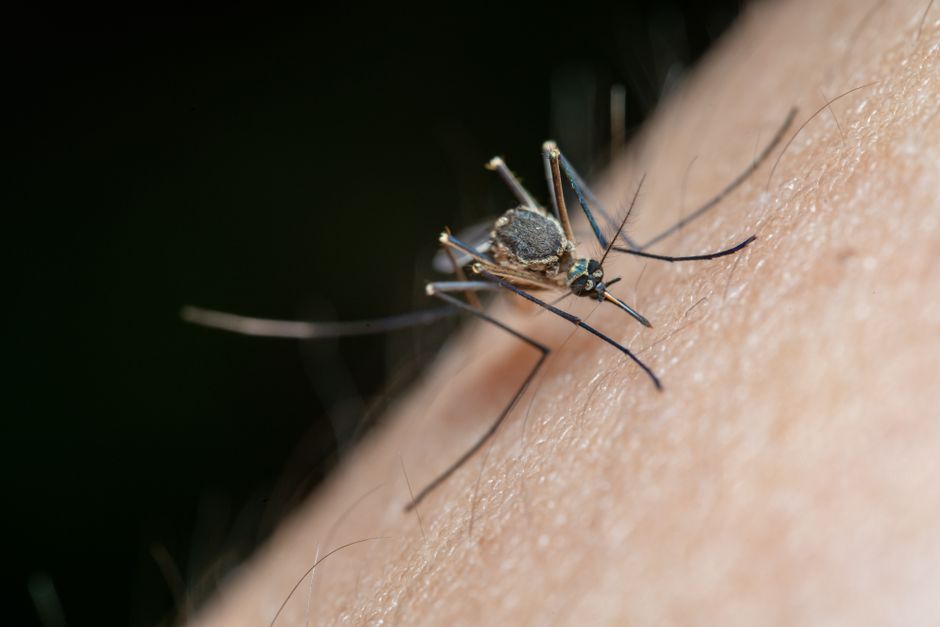
The itch is not from the bite itself. It comes from your own body. When a mosquito bites, she injects saliva into your skin. That saliva contains proteins that keep your blood from clotting so she can feed easily.
Your immune system sees these proteins as foreign invaders. It releases histamine to fight them off. Histamine causes the blood vessels around the bite to expand and leak fluid. That creates the red bump and the swelling. Histamine also irritates the nerve endings in your skin, which sends an itch signal to your brain.
Research published in the journal Immunity has found that some people react more strongly than others. Children often have bigger reactions because their immune systems are still learning. Adults who have been bitten many times may have a milder response. The intensity of the itch depends on how sensitive you are to the mosquito’s specific proteins.
What Actually Works to Stop the Itch?
Several treatments have solid evidence behind them. The most reliable options are available at any drugstore.
Topical hydrocortisone cream (1%) is the first-line treatment recommended by the American Academy of Dermatology. It reduces inflammation directly. Apply a thin layer to each bite up to three times a day. Do not use it on broken skin or near your eyes.
Calamine lotion works differently. It contains zinc oxide and ferric oxide. It cools the skin as it dries and helps dry out any oozing from a bite. It is safe to use on children over age two.
Oral antihistamines help when you have many bites or the itch is keeping you awake. Diphenhydramine (Benadryl) is effective but causes drowsiness. Cetirizine (Zyrtec) and loratadine (Claritin) are non-drowsy options that work well for some people. A 2019 study in the Journal of the American Academy of Dermatology found that cetirizine reduced itch severity by about 40 percent in people with moderate reactions.
Cold therapy is simple and safe for everyone. Apply an ice pack wrapped in a thin cloth for 10 to 15 minutes. The cold numbs the nerve endings and reduces blood flow to the area, which lowers swelling.
Here is a quick comparison of common treatments:
| Treatment | How It Works | Best For |
|---|---|---|
| Hydrocortisone cream | Reduces inflammation | One or two bites, mild swelling |
| Calamine lotion | Cools and dries the skin | Oozing bites, children |
| Oral antihistamine | Blocks histamine throughout the body | Multiple bites, nighttime itching |
| Cold pack | Numbs nerves, reduces blood flow | First few hours after the bite |
How Can You Treat Mosquito Bites With Household Items?
Many people turn to kitchen ingredients for relief. Some of these have a real effect. Others are mostly harmless but not proven to work better than doing nothing.
Baking soda paste is a common home remedy. Mix a teaspoon of baking soda with a few drops of water to make a paste. Apply it to the bite for 10 minutes, then rinse. Baking soda is alkaline. Some people believe it neutralizes the acidic mosquito saliva. The evidence for this is weak. However, the paste may provide some cooling relief from the water.
Honey has antibacterial properties. If you have scratched a bite and it looks infected, a small amount of honey may help. It is sticky and can be messy. There is no strong evidence that honey stops the itch better than a cold pack.
Aloe vera gel from a plant or a store-bought bottle is cooling. It reduces skin temperature slightly. Some studies suggest it has mild anti-inflammatory effects. It is safe and unlikely to cause irritation. It may help more than nothing but less than hydrocortisone.
Oatmeal baths are an old recommendation for generalized itching. Colloidal oatmeal, which is finely ground oatmeal, can be added to a cool bath. The American Academy of Dermatology lists it as a soothing option for widespread itching. For a single mosquito bite, it is overkill.
A word of caution: do not use toothpaste. This is a popular internet tip. Toothpaste contains ingredients like baking soda, alcohol, and menthol. It may feel cooling at first. But toothpaste is not made for skin. It can cause irritation, especially if you leave it on for more than a few minutes.




What Makes Mosquito Bites Worse?
Scratching is the main thing to avoid. It feels good in the moment because scratching briefly overrides the itch signal with a pain signal. But scratching damages your skin. It releases more histamine, which makes the itch worse. This creates a cycle that is hard to break.
Scratching also breaks the skin barrier. Bacteria from your fingernails can enter the bite. This can lead to a bacterial infection called cellulitis. Signs of infection include increasing redness, warmth, swelling, and pus. If you see these, see a doctor.
Heat can also make bites worse. Hot water from a shower or a heating pad increases blood flow to the area. More blood flow means more swelling and more itch. Stick with cool water and cold packs.
Some people try rubbing alcohol or hydrogen peroxide on bites. These can kill bacteria on the surface. But they also dry out and irritate the skin. They do not stop the itch. They can actually make the skin more sensitive and slow healing.
When Should You See a Doctor for a Mosquito Bite?
Most mosquito bites are harmless and go away on their own in a few days. But some situations need medical attention.
If you develop a large area of redness and warmth that spreads from the bite, you may have cellulitis. This bacterial infection requires antibiotics. Do not wait to see if it gets better on its own.
If you have trouble breathing, swelling of the lips or throat, or hives all over your body, you may be having a severe allergic reaction called anaphylaxis. This is rare but serious. Call 911 immediately.
If you develop a fever, headache, body aches, or a rash a few days after being bitten, you could have a mosquito-borne illness. In the United States, West Nile virus is the most common one spread by mosquitoes. The CDC reports that about 1 in 5 people infected with West Nile virus develop a fever and other symptoms. Most recover fully, but rarely the virus can cause neurological problems.
If you travel outside the United States to areas where diseases like dengue, malaria, or Zika are common, any fever after mosquito bites should be checked by a doctor.
Does How Can You Treat Mosquito Bites Change for Children?
Children often have stronger reactions to mosquito bites than adults. Their immune systems are still developing. A bite on a child can swell into a firm, red bump that looks alarming. This is usually normal.
For babies under two months old, do not use insect repellent or topical treatments without asking a pediatrician. Cool compresses are the safest option.
For older children, calamine lotion is a good first choice. It is gentle and does not contain steroids. Hydrocortisone cream is safe for children over age two for short-term use. Do not use it on the face or for more than a few days.
Oral antihistamines can help children who are very itchy. Cetirizine and loratadine are available in children’s liquid formulations. Follow the dosing instructions on the bottle based on your child’s weight.
Keep your child’s fingernails short. This reduces skin damage if they scratch. Distraction also helps. A cool bath, a popsicle, or a favorite movie can take their mind off the itch for a while.
Frequently Asked Questions
How long do mosquito bites last?
Most mosquito bites last three to five days. The itch is strongest in the first 24 hours and then fades.
Can you pop a mosquito bite blister?
Do not pop a blister from a mosquito bite. The blister protects the skin underneath. Popping it increases the risk of infection.
Does vinegar stop mosquito bite itch?
Some people report that vinegar helps, but there is no clinical evidence it works better than a cold compress. It may provide temporary relief from the cooling sensation.
What is the best cream for mosquito bites?
Over-the-counter hydrocortisone cream is the most effective option for reducing itch and swelling. Calamine lotion is a good alternative for children or sensitive skin.
