
A hickey is a bruise. It forms when suction breaks small blood vessels under the skin, and blood leaks into the surrounding tissue. There is no instant eraser for a bruise, but you can speed up how fast your body clears it. The most effective approach combines immediate cold, later heat, and gentle massage. Over-the-counter arnica gel and topical vitamin K may also help reduce discoloration. You cannot make a hickey vanish in an hour, but you can often make it fade in a few days instead of a week or two.
What Exactly Is a Hickey and Why Does It Form?
A hickey is a collection of broken capillaries. When someone sucks hard on the skin, the pressure can rupture tiny blood vessels just beneath the surface. Blood escapes into the tissue, and that pooled blood is what you see as a red, purple, or dark mark.
The color changes over time. Fresh blood appears red. As the blood breaks down, it turns purple, then green, then yellow before fading completely. This is the same process that happens with any bruise. Your body has to break down the trapped blood cells and carry them away through your lymphatic system.
Some people bruise more easily than others. Thinner skin, certain medications like aspirin or blood thinners, and vitamin deficiencies can all make hickeys more pronounced. The neck is especially prone because the skin there is thin and the blood supply is rich.
How Can You Take Off a Hickey With Cold Therapy?
Cold is the first tool to reach for, but only within the first 24 to 48 hours. Applying something cold constricts the blood vessels. This limits how much blood can leak out of the broken capillaries, which means a smaller bruise overall.
Wrap an ice pack, a bag of frozen peas, or even a cold spoon in a thin cloth. Hold it against the hickey for 15 to 20 minutes at a time. Do this several times a day for the first day or two. Never put ice directly on skin. That can cause frostbite or further tissue damage.
Cold therapy does not remove a hickey that is already fully formed. It limits the damage. If the mark is already dark purple, the bleeding has stopped and cold will do little to change the color. But if you catch it early, cold is your best first move.
When Should You Switch to Heat?
After the first 48 hours, heat becomes more useful. Warmth dilates blood vessels and increases circulation to the area. Better blood flow helps your body carry away the trapped blood faster.
Use a warm compress, a heating pad on a low setting, or a warm damp towel. Apply it for 15 to 20 minutes a few times a day. The warmth should be comfortable, never hot enough to burn or irritate the skin.
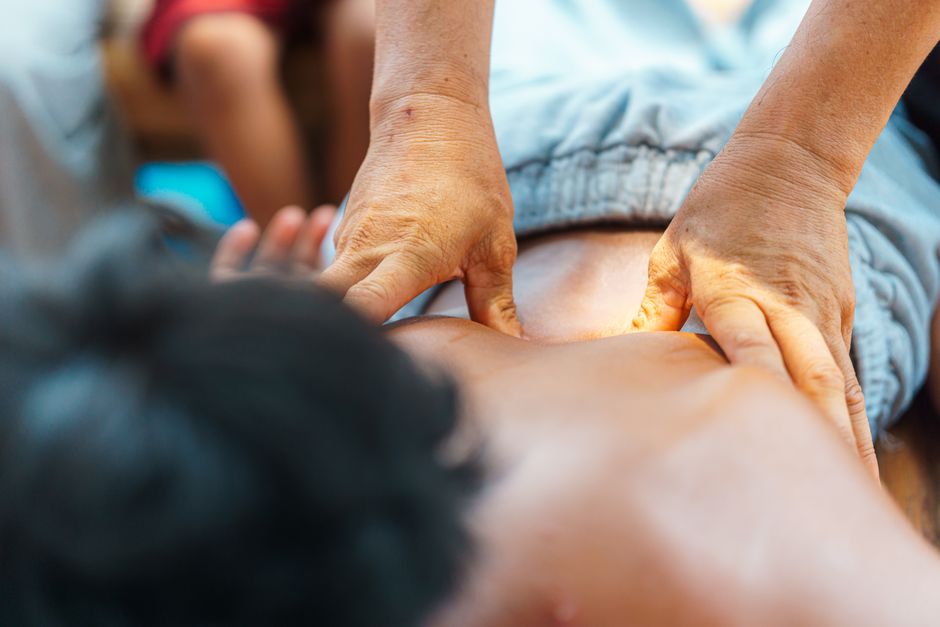
Some people alternate between a warm compress and gentle massage. Massage can help break up the clotted blood and encourage the lymphatic system to process it. Use light pressure with your fingertips or a soft tool. Pressing too hard can worsen the bruise or create new damage.
Do Topical Creams and Gels Actually Work?
Several over-the-counter products claim to fade bruises faster. The evidence for most of them is limited, but a few have some support.
Arnica gel is the most commonly recommended topical for bruises. Some studies suggest that arnica applied to the skin can reduce bruise size and speed up healing. The evidence is not overwhelming, but it is reasonable to try. Apply it according to the package directions, usually two to three times daily.
Vitamin K cream has also been studied for bruising. Vitamin K plays a role in blood clotting, and some research suggests topical vitamin K can help fade bruises, particularly after cosmetic procedures. Results are mixed, but the cream is safe for most people when used as directed.
Other products contain bromelain, an enzyme from pineapple, or horse chestnut extract. These have some anti-inflammatory properties, but clinical evidence for bruise reduction is thin. They will not hurt, but do not expect dramatic results.
One important note: do not apply these creams to broken skin. If the suction broke the surface of the skin, stick to basic wound care and let it heal before using any bruise treatment.
Can You Really Massage Out a Hickey?
Gentle massage can help, but aggressive rubbing cannot. The idea is to encourage the lymphatic system to drain the trapped blood. The lymphatic system is your body’s waste removal network, and it processes the breakdown products of a bruise.
Use light, circular motions with your fingertips. Some people use the edge of a coin or a comb, but this is not supported by evidence and can damage the skin. Stick to your fingers.
Massaging a fresh bruise can make it worse. Wait at least 24 hours after the hickey forms before massaging. If it is still red or actively forming, let it settle first. If massage causes pain, stop.
What Does Not Work to Remove a Hickey?
Viral internet tricks for removing hickeys are mostly myths. Some are harmless. Others can cause real damage.
Rubbing with a coin or spoon is a common folk remedy. It does not break up the bruise. It can bruise the skin further or cause friction burns. Avoid this.
Sucking on the area again to “even out” the color is dangerous. It creates a new bruise on top of the old one and can make the mark larger and darker. Do not do this.
Toothpaste, ice cubes, or essential oils have no evidence behind them for bruise removal. They can irritate or burn the skin, especially on the neck.
Makeup is the only reliable way to hide a hickey quickly. Color-correcting concealers with a green or yellow base can neutralize the purple tone of a bruise. A full-coverage concealer and setting powder can make the mark nearly invisible. This is not a treatment, but it is the only real instant fix.
How Long Does a Hickey Take to Fade Naturally?
A typical bruise takes one to two weeks to fully fade. Hickeys are usually on the neck, where the skin is thin, so they may heal faster than bruises on other body parts. Some fade in five to seven days. Others take closer to two weeks.
Your actions in the first 48 hours matter most. Cold limits the size. Heat and gentle massage speed up clearance. Staying hydrated and eating a diet rich in vitamin C and vitamin K supports normal skin healing, though these will not erase a bruise overnight.
If a hickey does not fade after two weeks, or if it becomes painful, hot, or swollen, see a doctor. These could be signs of a skin infection or a blood clotting problem. This is rare, but it is worth checking.
Frequently Asked Questions
Can you get rid of a hickey in one hour?
No. A hickey is a bruise, and bruises take days to clear. The only instant fix is covering it with makeup.
Does ice or heat work better for a hickey?
Use ice in the first 24 to 48 hours to limit the bruise size. Switch to heat after 48 hours to speed up blood clearance.
Is it safe to massage a hickey?
Gentle massage is safe after the first day, but rough rubbing can worsen the bruise. Use light pressure and stop if it hurts.
How long does a hickey last?
Most hickeys fade within one to two weeks. Cold, heat, and gentle massage can shorten that time, but not dramatically.
