
Your skin is an organ. It is the largest one you have, and it replaces itself continuously throughout your life. How you take care of your skin comes down to a short list of habits that are supported by real evidence: protect it from ultraviolet light, clean it gently, keep it moisturized, avoid smoking, eat reasonably well, and see a doctor about changes that concern you. Most of what the skincare industry sells is optional. A few basics are not.
What Does Your Skin Actually Do?
Skin is not a wrapper. It is a working organ with several jobs at once.
The outer layer, the epidermis, is a brick-and-mortar structure of skin cells bound together by lipids. It keeps water in and keeps bacteria, allergens, and chemicals out. Below that sits the dermis, which contains collagen and elastin fibers that give skin its strength and bounce, along with blood vessels, nerves, and oil glands. Underneath is subcutaneous fat, which cushions and insulates.
Skin helps regulate body temperature through sweating and blood flow. It houses immune cells that respond to infection. It manufactures vitamin D when exposed to ultraviolet B light. It contains nerve endings that let you feel heat, pressure, and pain — which is a survival function, not a luxury.
Understanding this matters because it explains why the basics work. Damage to the epidermis weakens the barrier. Damage to the dermis breaks down collagen and elastin. That second kind of damage is what we call aging skin, and it accumulates over decades.
How Does Sun Exposure Change Your Skin?
Ultraviolet radiation is the single largest external driver of visible skin aging. This is one of the best-established findings in dermatology.
UV radiation damages DNA in skin cells. It also generates reactive oxygen molecules that break down collagen and elastin in the dermis. Over years, that shows up as wrinkles, leathery texture, uneven pigmentation, and broken blood vessels. Dermatologists sometimes call this photoaging to distinguish it from the natural aging that happens with time alone.
UV exposure also raises skin cancer risk, including basal cell carcinoma, squamous cell carcinoma, and melanoma. That link is not in dispute.
What helps:
- Seek shade during the middle of the day when UV intensity peaks.
- Wear clothing that covers skin, plus a wide-brimmed hat and sunglasses.
- Use a broad-spectrum sunscreen with an SPF of 30 or higher on exposed skin. Reapply roughly every two hours during sun exposure, and after swimming or heavy sweating.
- Avoid tanning beds. The World Health Organization classifies ultraviolet-emitting tanning devices as carcinogenic to humans.
One clarification worth making: a tan is not a sign of health. It is a sign that your skin is producing melanin in response to DNA damage. People with darker skin produce more melanin and have lower — but not zero — risk of UV-related skin cancer.
Does a Skincare Routine Need to Be Complicated?
No. A workable routine has three parts: cleanse, moisturize, and protect. Everything else is optional.
Cleansing. A gentle, non-soap cleanser once or twice a day removes dirt, oil, and residue. Harsh soaps and frequent scrubbing strip the lipids that hold the skin barrier together. That can leave skin tight, red, and more prone to irritation. If your skin feels squeaky after washing, the cleanser is probably too harsh.
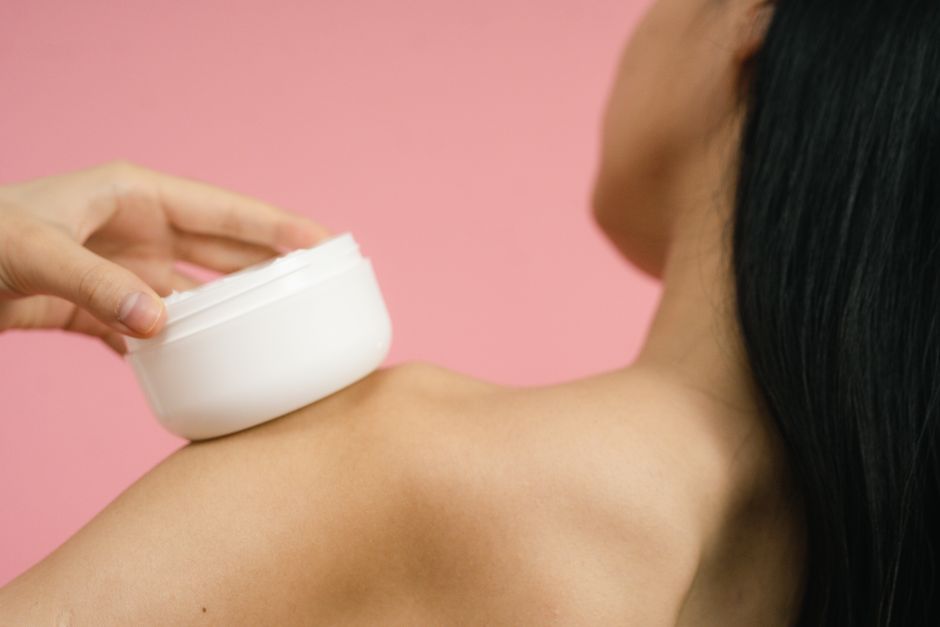
Moisturizing. Moisturizers slow water loss from the outer layer and can temporarily plump fine lines. They do not permanently change skin structure. People with oily skin can still benefit from a light moisturizer; oil production and water content are different things.
Protection. Sunscreen is the step with the strongest evidence behind it. Used consistently, it reduces UV damage and lowers skin cancer risk. If you do only one thing for your skin long-term, this is the one.
Beyond those three, the evidence gets thinner. Many serums, masks, and essences have little or no published human data behind them. That does not make them harmful, but it does mean the claims on the label often outrun the science.
-
 Does Benign Prostatic Hyperplasia Cause Less Pee? The Real Answer
 -
Can Menopause Cause a Positive Pregnancy Test? The Real Answer
-
How Long Does a Woman’s Menopause Last? The Real Answer
-
Can You Get Ovarian Cysts After Menopause? The Real Answer
-
PrimeBiome Reviews, Official Website, And Is It Even Legit? (2025 Update)





Which Ingredients Have Real Evidence Behind Them?
A small number of topical ingredients have meaningful human research. Others are mostly marketing.
Retinoids — including prescription tretinoin and over-the-counter retinol — have the strongest evidence for reducing fine wrinkles and improving skin texture. They work by speeding up cell turnover and stimulating collagen production. They can cause redness, peeling, and sun sensitivity, especially in the first weeks. People who are pregnant or may become pregnant should talk to a doctor before using retinoids, because prescription forms are associated with birth defects.
Vitamin C is an antioxidant used in many serums. Some studies suggest it can reduce signs of photoaging and may modestly even out pigmentation. Formulation matters a great deal, and many products on shelves are not stable enough to deliver much.
Niacinamide has some evidence for improving skin barrier function and reducing redness and uneven tone.
Alpha hydroxy acids such as glycolic acid can improve texture and tone by exfoliating the outer layer. They also increase sun sensitivity, so daily sunscreen becomes more important, not less.
Be skeptical of products promising to “reverse” aging or “erase” wrinkles. No topical product does that. The best-documented outcomes are modest improvements in appearance, not structural reversal.
What Role Do Diet, Sleep, and Smoking Play?
Lifestyle factors affect skin, though the research is more mixed than it is for sun protection.
Smoking is the clearest example. It narrows blood vessels in the skin, reduces oxygen delivery, and damages collagen and elastin. Smokers tend to develop earlier and deeper wrinkles, particularly around the mouth. The evidence for this is strong.
Sleep matters for skin repair. During sleep, the body releases growth hormone and other factors involved in tissue maintenance. Chronic sleep deprivation is associated with poorer skin barrier recovery in some studies, though this area is less well understood than sun damage.
Diet plays a role, but the specifics are debated. Diets high in vegetables, fruits, and omega-3 fats are generally associated with better skin appearance in observational studies. High sugar intake may contribute to glycation, a process where sugar molecules bind to collagen and make it stiffer. Some studies suggest a link between high-glycemic diets and acne, but results vary and the evidence is not conclusive. No single food has been shown to cure or cause most skin conditions.
Alcohol is worth a mention. Heavy drinking is associated with dehydration, flushing, and worsened skin conditions over time. Moderate intake has less clear effects.
When Should You See a Doctor About Your Skin?
Some skin changes need a professional, not a product.
See a doctor or dermatologist if you notice:
- A mole that changes in size, shape, or color, or that itches, bleeds, or does not heal.
- A new growth, sore, or patch that persists for weeks.
- Severe, painful, or rapidly spreading rash.
- Signs of infection — warmth, pus, red streaks, or fever with a skin wound.
- Acne that is severe, scarring, or not responding to over-the-counter treatments.
- Sudden hair loss, nail changes, or skin changes along with other symptoms.
The American Academy of Dermatology and other groups recommend regular skin self-exams, and periodic professional skin exams for people at higher risk, such as those with a personal or family history of skin cancer, many moles, or significant sun exposure. The exact frequency that makes sense for any one person is a decision to make with a clinician.
It is worth saying plainly: no skincare routine replaces a doctor’s eyes on a concerning lesion. Melanoma caught early is highly treatable. Melanoma caught late is not. That gap is the reason skin checks matter more than any serum.
What About Skin Type and Sensitivity?
Skin varies a lot between people, and the same routine does not suit everyone.
People with dry skin tend to do better with thicker creams and ointments that contain ingredients like ceramides, glycerin, or petrolatum. People with oily or acne-prone skin often do better with lighter, non-comedogenic products — meaning they are less likely to clog pores. People with sensitive skin or conditions like rosacea or eczema should avoid fragrances, alcohol-based toners, and harsh exfoliants.
If you have a diagnosed skin condition, follow the plan your clinician gave you. General skincare advice is not a substitute for treatment of a medical condition.
Patch-test new products on a small area before using them widely, especially if you have reacted to products before. Stop using anything that causes burning, swelling, or a spreading rash.
Frequently Asked Questions
How often should you wash your face?
Twice a day is enough for most people — once in the morning and once before bed. Washing more often can strip the skin barrier and cause irritation.
Is sunscreen really necessary every day?
Daily sunscreen use is recommended when you will have meaningful sun exposure, and many dermatologists recommend it as a routine habit. UV exposure accumulates over time, and it is the best-established driver of visible skin aging.
Can diet fix your skin?
No diet has been shown to cure skin conditions or reverse aging. Eating well supports overall health, and some research links certain dietary patterns to skin appearance, but the evidence is mixed.
Do expensive skincare products work better than cheap ones?
Price does not predict effectiveness. What matters is whether the product contains ingredients with evidence behind them and whether it suits your skin type.
